

Destiny Aburto Meza January 19
Experienced team creating clean finishes and delivering steady updates.


Naomi Brooks January 19
I recently found myself locked out of my house late at night, and it was a terrible experience. I called an emergency locksmith, and a technician came to my location in an incredibly short period of time, less than 20 minutes. He was very professional and polite. He quickly unlocked me into my house without causing any damage. The service was excellent, and the charges were reasonable for the emergency.


Paul Merson December 31
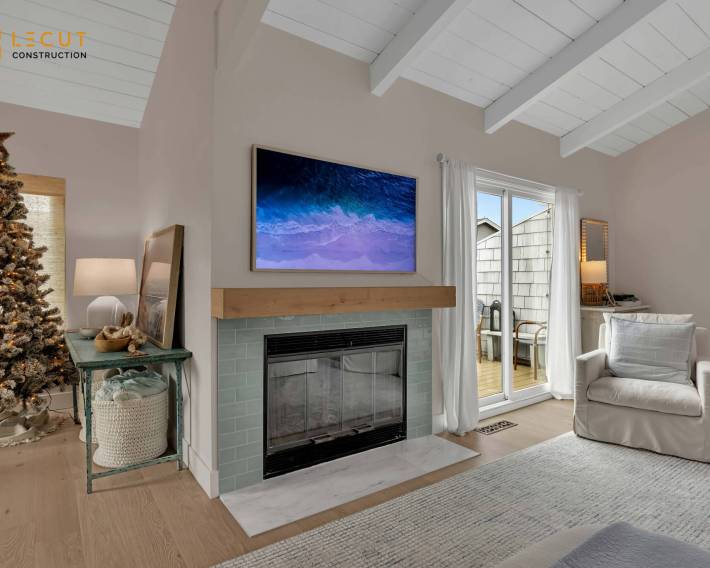
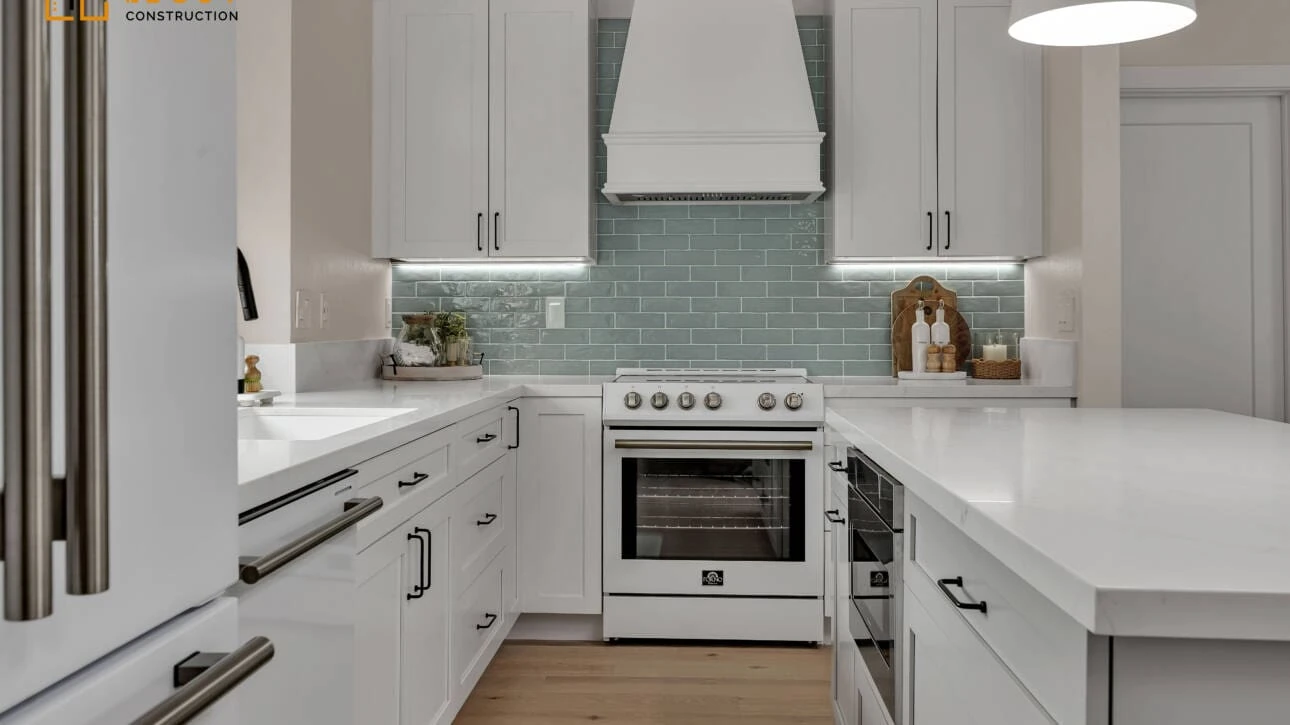
In San Jose getting a reliable and trustable home remodeler can be daunting task, but not when you have Lecut Construction.
They had a plan for the remodel and they implemented it in a professional manner.
People Also Ask
The cost to add a second story in California varies widely, typically ranging from $200,000 to $500,000 or more. This high cost is due to several factors including the need for structural reinforcement of the existing foundation and first-floor framing, high regional labor and material expenses, and stringent seismic codes. The project scope, size, finishes, and architectural complexity are major cost drivers. Additionally, expenses for permits, design fees, potential temporary relocation, and site preparation must be factored in. Obtaining multiple detailed quotes from licensed contractors familiar with local building departments is crucial for an accurate budget.
Adding a second story to a home presents several common challenges. Structural integrity is paramount; the existing foundation and first-floor walls must be evaluated and often reinforced to support the additional load, which is a significant cost. The construction process is highly disruptive, requiring occupants to vacate or live amidst major demolition, dust, and noise for an extended period. Ensuring seamless integration with the existing roofline and exterior aesthetics can be difficult, potentially leading to a disjointed appearance. Internally, aligning new floor joists with old ones and integrating HVAC, electrical, and plumbing systems between floors requires meticulous planning. There is also a risk of unforeseen issues, like inadequate existing framing, once walls are opened.
The cost-effectiveness of adding a second floor versus building out depends heavily on your property's existing foundation, lot size, and local zoning. A ground-floor addition (building out) often has a lower per-square-foot cost as it avoids major structural modifications. However, it consumes yard space and may require extensive foundation work. A second-story addition is typically more complex and expensive per square foot due to the need for structural reinforcement, potential temporary relocation, and roof removal. It preserves outdoor space and can dramatically increase home value. For a detailed analysis of the pros, cons, and key considerations, see our internal resource on Second Story Additions. A professional assessment of your specific site is always recommended.
The most expensive part of a home addition is typically the foundational work and structural framing. This includes site preparation, excavation, pouring a new foundation, and constructing the load-bearing framework. These elements are labor-intensive, require skilled professionals, and involve significant material costs for concrete, lumber, and steel. They form the critical, non-negotiable skeleton of the project. Following this, major system extensions—like HVAC, electrical, and plumbing—also represent substantial costs, as they must be seamlessly integrated with the existing home. High-end interior finishes (e.g., custom cabinetry, flooring) can dramatically increase budgets, but the core structural phase almost always commands the largest single portion of the overall investment.