

Destiny Aburto Meza January 19
Experienced team creating clean finishes and delivering steady updates.


Naomi Brooks January 19
I recently found myself locked out of my house late at night, and it was a terrible experience. I called an emergency locksmith, and a technician came to my location in an incredibly short period of time, less than 20 minutes. He was very professional and polite. He quickly unlocked me into my house without causing any damage. The service was excellent, and the charges were reasonable for the emergency.


Paul Merson December 31
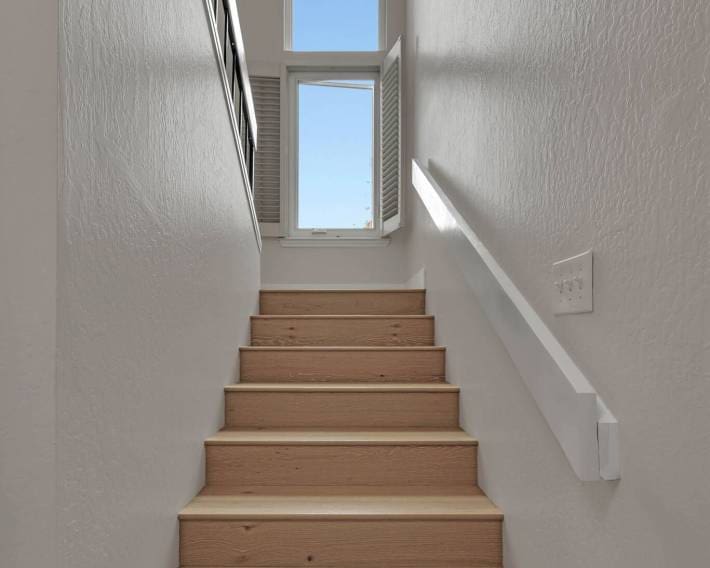
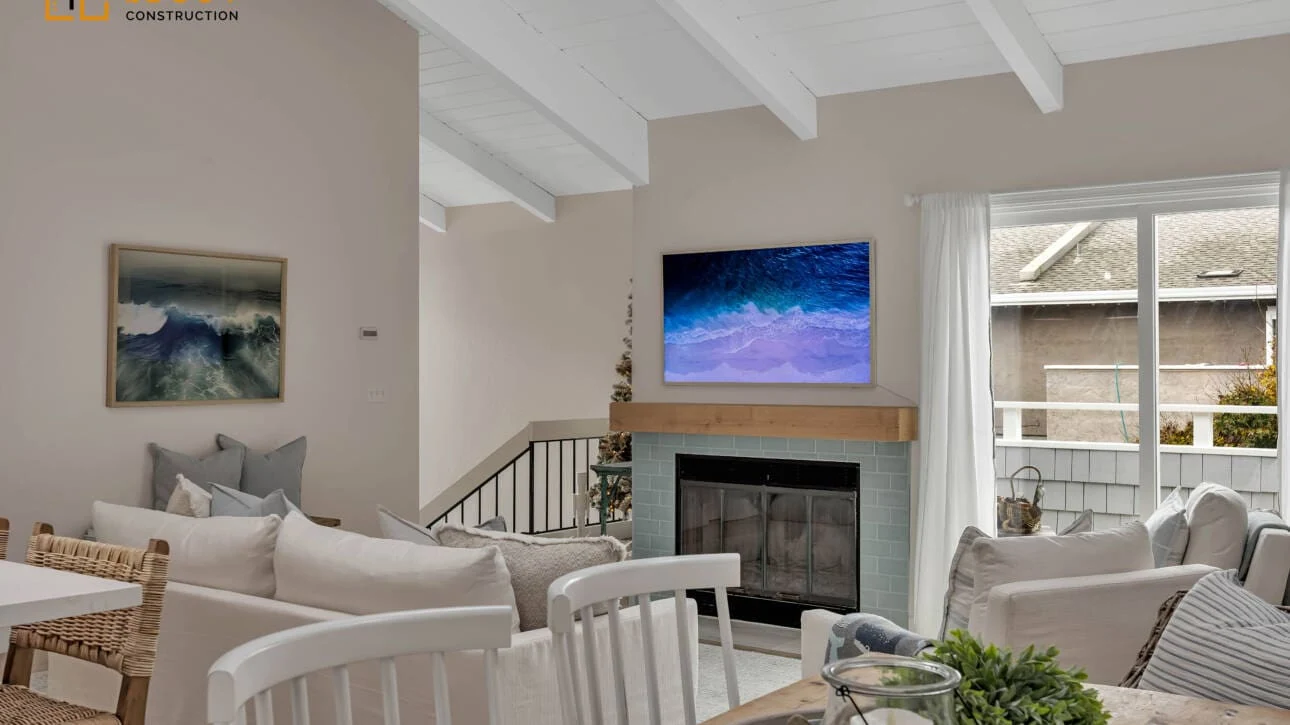
In San Jose getting a reliable and trustable home remodeler can be daunting task, but not when you have Lecut Construction.
They had a plan for the remodel and they implemented it in a professional manner.
People Also Ask
The cost of a second story addition in California varies widely, typically ranging from $200,000 to $500,000 or more. This high range is due to several key factors. California's strict building codes, especially for seismic retrofitting, add significant engineering and material costs. The price is heavily influenced by the home's existing structure, the quality of finishes, and the project's square footage. High labor costs and permit fees in urban areas like the Bay Area or Los Angeles drive prices toward the upper end. A critical first step is a professional structural assessment to determine if the existing foundation can support the new load, which is a major cost determinant. Always obtain multiple detailed quotes from licensed, insured contractors familiar with local regulations.
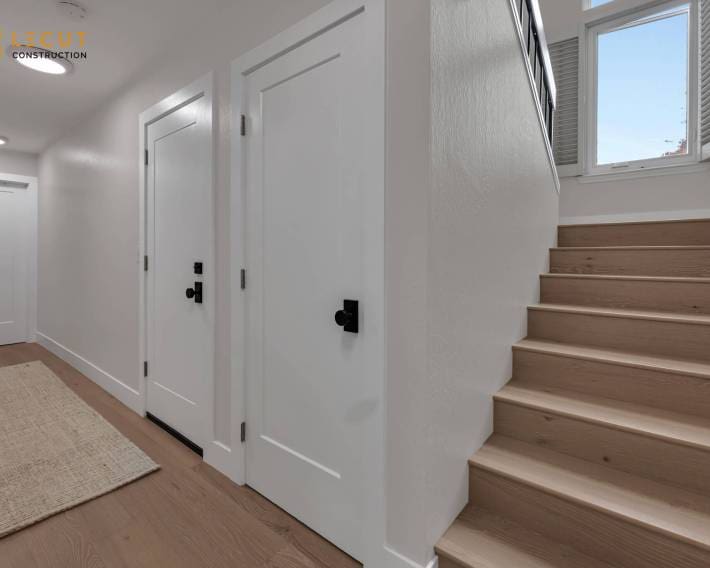
The cost-effectiveness of adding a second floor versus building out depends heavily on your property's existing foundation, local zoning, and your specific goals. A second-story addition (building up) is often more cost-effective per square foot because it utilizes the existing footprint, saving on land costs and extensive new foundation work. However, it requires a thorough structural assessment and may involve temporarily relocating. Building out (a ground-floor extension) avoids major structural changes to the existing house but requires new foundation, roofing, and potentially sacrificing yard space. For a detailed analysis of the pros, cons, and key considerations, see our internal resource on Second Story Additions. A professional contractor can provide the most accurate comparative quote for your situation.
Adding a second story to a home presents several common challenges. Structural integrity is paramount; the existing foundation and first-floor walls must be evaluated and often reinforced to bear the additional load, which is a significant cost. The construction process is highly disruptive, requiring occupants to often vacate the premises as the roof is removed and the home is exposed to the elements. Ensuring seamless integration of new and old systems—like HVAC, plumbing, and electrical—is complex and can lead to inefficiencies if not expertly planned. Furthermore, achieving a cohesive exterior and interior aesthetic, and navigating zoning permits and height restrictions, are frequent hurdles that require meticulous professional management.
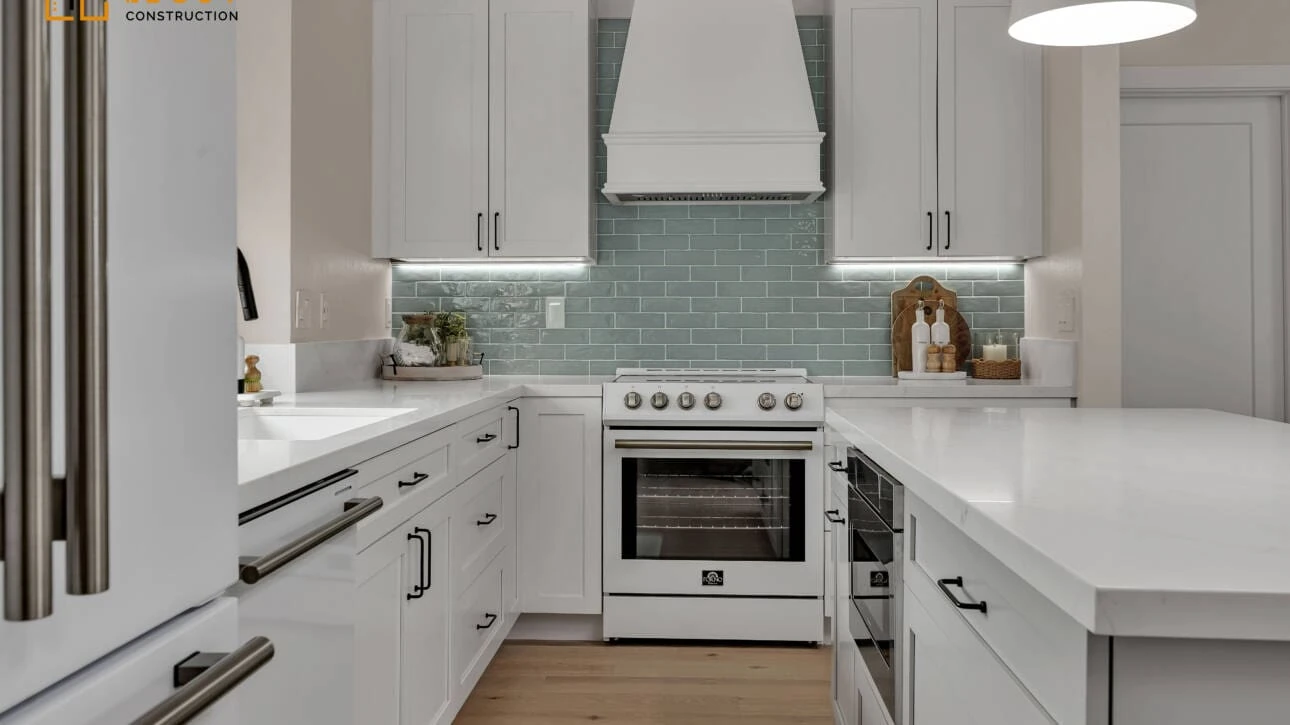
The most expensive part of a home addition is typically the foundational and structural work, which includes site preparation, excavation, and pouring a new foundation. This phase is labor-intensive, requires heavy machinery, and must meet strict building codes, making it a significant cost driver. Following closely are expenses for framing, roofing, and exterior finishes, which form the essential shell. High-end interior finishes like custom cabinetry, flooring, and specialized electrical or plumbing systems also contribute substantially to the overall budget. Proper planning and obtaining multiple detailed quotes are crucial to managing these costs effectively and avoiding unexpected overruns.
When considering second story additions in Los Altos, it is crucial to select a contractor with proven local experience and strong community reviews. Look for firms with specific expertise in navigating the city's strict zoning laws, building codes, and design review processes. High-quality reviews often highlight clear communication, meticulous project management, and respect for existing home structures during construction. A reputable service will handle everything from architectural design and engineering to securing permits. Prioritize companies with numerous verified testimonials about completing projects on time and within budget, as this indicates reliability. Always check platforms like the Better Business Bureau and request a detailed portfolio of past second-story projects in the area.
The cost of second story additions in Los Altos typically ranges from $300,000 to $600,000 or more, with high-end projects exceeding $1 million. This wide range is due to several key factors. The home's existing foundation and structure must be evaluated for reinforcement needs, which is a major cost driver. Premium materials, architectural design fees, and strict local building codes significantly influence the budget. Additionally, costs for engineering, permits, and potential requirements for off-site living during construction must be factored in. Given the complexity, obtaining multiple detailed quotes from licensed contractors experienced with Los Altos ordinances is essential for accurate financial planning.