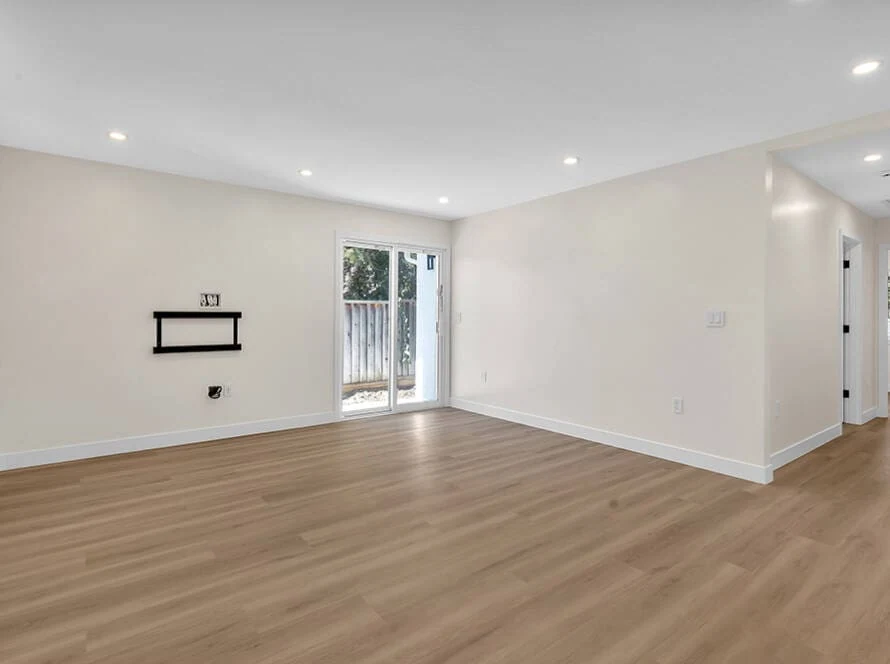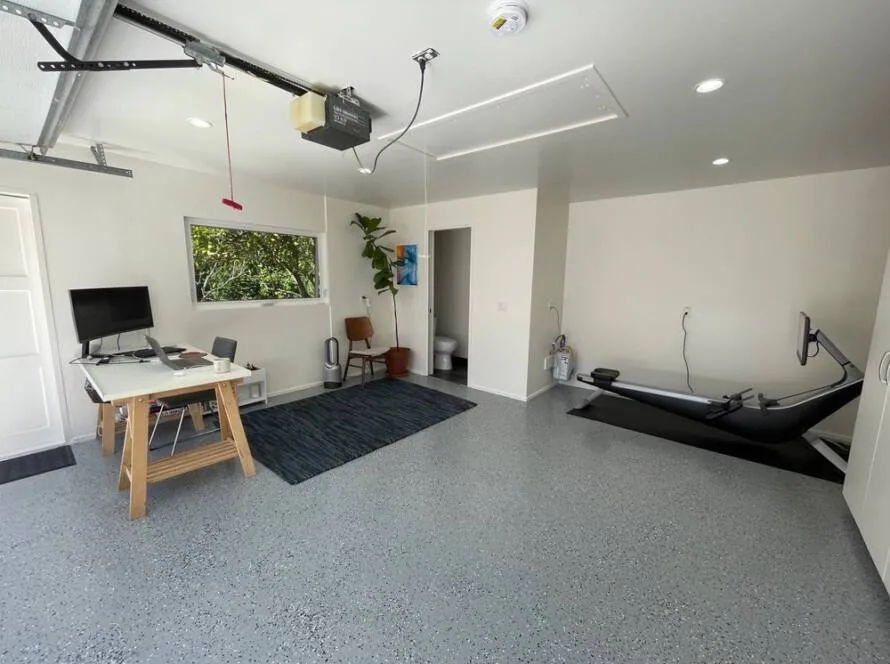
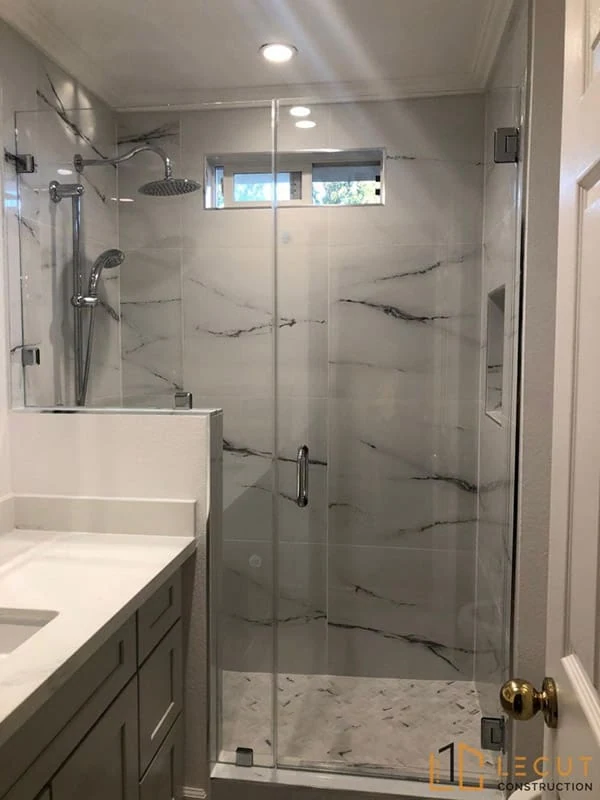
Ever stared at a wall in your home and thought, “You know what? This wall needs to cease existing”? Or maybe you’ve had a shower curtain attack you one too many times, and you’re dreaming of a glass enclosure that doesn’t feel like a clingy plastic hug. We get it. We’ve been there, both as homeowners and as the folks who get called in to make those daydreams a reality. Let’s talk about turning your “what if” into “what is,” without the horror stories that make you want to abortable the whole project before it even begins.
So, You’re Thinking About a Remodel. Now What?
First off, congratulations! Deciding to improve your home is exciting. It’s also a bit like deciding to assemble a thousand-piece puzzle without the picture on the box. Where do you even start? Do you Google “home remodeling services near me” and hope for the best? Do you fixate on the cost and immediately wonder if you should just learn plumbing from YouTube? (Spoiler: Don’t.)
The truth is, a successful remodel isn’t just about picking paint swatches. It’s about planning, partnership, and knowing what you’re getting into. IMO, the single biggest mistake we see is homeowners not understanding the scope of their own project. Is this a quick bathroom remodeler job, or are we talking a full home remodel that requires a general contractor to orchestrate a symphony of trades? Getting this part wrong is how budgets and timelines go off the rails.
The Cast of Characters: Who Does What in Remodeling?
This is where it gets real. Not all contractors are created equal, and the title on the truck matters. Let’s break it down so you’re not hiring a landscaper to rewire your kitchen.
- The Specialist (e.g., Bathroom Remodeler, Cabinet Installer): These are the masters of one domain. They’re fantastic for a single, focused project. Need a new shower tile job? They’re your heroes. But if your bathroom project also needs moving a wall and updating electrical, they might not be the quarterback for that entire play.
- The General Remodeling Contractor: This is your project manager. They handle the big picture for larger projects, hiring and scheduling all the specialists (plumbers, electricians, carpenters), pulling permits, and ensuring everything meets code. They’re the conductor for your remodeling orchestra.
- The Design-Build Firm: Think of this as the full-service experience. They have both design professionals and construction teams under one roof. This can streamline communication massively, as the people drawing the plans are in constant contact with the people swinging the hammers. For complex projects like home additions or a full home remodel, this integration is pure gold.
Here at Lecut Construction in San Jose, we’ve built our reputation as a general remodeling and renovation contractor who operates with a design-build mindset. Why? Because we’ve seen too many beautiful plans fall apart in the field due to a disconnect. When our designers and builders collaborate from day one, we save you time, mitigate headaches, and frankly, build a better final product. It’s the difference between a theory and a practice that actually works in your Silicon Valley home.
The Unsexy Stuff You Can’t Ignore (Permits, Budgets, and Timelines)
Alright, let’s talk about the party poopers of the remodeling world: permits, budgets, and schedules. We know, it’s not as fun as choosing a quartzite countertop, but ignoring this is how dreams become nightmares.
Permits: In cities like San Jose, Santa Clara, Campbell, and Cupertino, permit requirements are no joke. A good house remodeling contractor will know the ins and outs of local regulations. Skipping permits might seem like a way to save time, but it can haunt you during a future sale or even lead to fines and required tear-outs. We handle all of that for you because, let’s be honest, you have better things to do than wait in line at the planning department.
Budget & Price: Let’s be blunt. The price is more than just materials and labor. A realistic cost factors in:
- Design and planning fees
- Permit fees
- Material costs (with a buffer for those “ooh, I love that more expensive tile” moments)
- Labor costs
- A contingency fund (usually 10-20%) for the unexpected. Because in a 50-year-old house in Los Gatos or Saratoga, we will find something unexpected behind a wall.
A transparent contractor will give you a detailed breakdown, not a vague ballpark number that doubles later. We believe in upfront, honest conversations about budget so there are no ugly surprises.
Timeline: Ever watched a home renovation show where they do a full home remodel in 30 minutes? Yeah, that’s fiction. A realistic timeline accounts for material lead times (good windows can take weeks), inspections, and the simple reality of problem-solving. A key part of our process at Lecut Construction is building a detailed schedule and keeping you updated. We want you to know if your kitchen demo is Monday or Wednesday, so you can plan your life (and your takeout budget).
From the Outside In: Don’t Forget Your Home’s Curb Appeal
We spend so much time thinking about interiors that exterior remodeling often gets the short shrift. But your home’s exterior is its handshake, its first impression. Whether it’s replacing worn siding, updating windows for energy efficiency, or adding a stunning new front porch, these projects pack a serious punch for your home’s value and your daily enjoyment.
An exterior remodeling project in Sunnyvale or Milpitas isn’t just about looks; it’s about protection. New roofing, proper siding, and updated gutters defend your biggest investment from our sometimes-unpredictable Bay Area weather. It’s practical beauty.
Your Remodeling Roadmap: A Typical Project Flow
So how does this all come together? While every project is unique, most follow a similar rhythm. Here’s a look at the general flow from our perspective as your general contractor:
| Phase | What Happens | Your Key Involvement |
|---|---|---|
| Discovery & Consultation | We listen to your goals, needs, and budget. We assess your space. | Dreaming big and being honest about must-haves vs. nice-to-haves. |
| Design & Planning | Detailed plans are drawn, materials are selected, and the project is fully scoped. | Making decisions! Choosing finishes, approving layouts. This is the fun part. |
| Pre-Construction | We finalize contracts, pull permits, order materials, and schedule the crew. | Signing on the dotted line and maybe starting to pack up that kitchen. |
| Construction | The physical work begins. Demolition, framing, installation—the transformation! | Staying in communication, doing walk-throughs, and making any necessary on-the-fly decisions. |
| Final Walkthrough & Closeout | We review every detail with you, ensure perfection, and hand over all warranties/docs. | Doing a happy dance in your new space and providing final approval. |
Why Picking the “Best Remodeling Company” Isn’t Just About Price
Look, we all want a good deal. But when you’re searching for the “best remodeling company” in Fremont, Morgan Hill, or anywhere in between, the lowest bid is often the most expensive choice in the long run. Here’s what truly matters:
- Communication: Do they return calls? Do they explain things clearly? You’re entering a months-long relationship; you need to like talking to them.
- Portfolio & References: Do their past projects look like what you want? Will they let you talk to past clients? (We encourage it!)
- Process: Do they have a clear system, or does it seem chaotic? Chaos on their end means stress on your end.
- Trust: This is the big one. You need to feel confident they have your back.
We built Lecut Construction on these pillars. We’re not the cheapest, and we’re okay with that. We’re the team you hire for peace of mind, for craftsmanship, and for a partner who treats your home like it’s our own. When you’re ready to stop dreaming and start building, give us a call. Let’s have a real conversation about what’s possible.
Your Burning Remodeling Questions, Answered
Q1: How much should I budget for a home remodel?
There’s no one-size-fits-all answer, but a mid-range kitchen remodel in the San Jose area might start in the $50k-$75k range, while a full home remodel can easily reach $200k+. The best approach is to get detailed, project-specific quotes. Be wary of any estimate that seems too good to be true—it usually is.
Q2: How long will my remodel take?
A bathroom might take 4-6 weeks. A major home addition or whole-house renovation can take 4-6 months or more. The complexity, permit timelines, and material availability all play a huge role. A good contractor will give you a timeline with clear milestones.
Q3: Do I need to move out during the remodel?
For a single bathroom or kitchen remodel, you can often tough it out. For a full home remodel, moving out is usually worth the sanity it preserves. We can help you plan for this and factor temporary housing into your overall budget.
Q4: How do I handle the stress of living in a construction zone?
Set up a temporary kitchen or bathroom. Seal off construction areas with plastic sheeting to contain dust. Communicate daily with your project manager. And remember the why—keep pictures of your inspiration handy! A great contractor will minimize the disruption and keep the path to your coffee maker clear. 🙂
At the end of the day, a remodel is a journey. It has its messy moments, its surprises, and its decisions. But with the right guide—a team that communicates, plans meticulously, and executes with skill—it ends with you falling in love with your home all over again. And that’s a feeling that’s absolutely priceless.
Related Articles
People Also Ask
Open-concept floor plans can significantly increase home value by enhancing perceived space, improving natural light flow, and aligning with modern lifestyle preferences. This design removes walls between key living areas like the kitchen, dining, and living room, creating a versatile and sociable environment. It often makes a home feel larger and more contemporary, which is a strong selling point. However, the impact on value depends on the local market, the quality of execution, and the home's overall architecture. In many markets, it's considered a desirable feature that can boost resale appeal, but it's not universally ideal; some buyers still prefer defined, traditional rooms for privacy and noise control.
Open-concept homes remain popular, but preferences are evolving. Many buyers still desire the spacious, light-filled feel and social connectivity of open floor plans, especially in main living areas. However, the rise of remote work and multi-generational living has spurred demand for more defined, flexible spaces. The current trend often blends open-concept with some separation, like a dedicated home office or a semi-private kitchen area with a large island. The key is adaptable design that allows for both togetherness and privacy. Ultimately, market desire depends on lifestyle, with modern designs increasingly offering a hybrid approach to cater to diverse needs.
Open floor plans, while popular for their spacious feel, come with significant drawbacks. The lack of walls means noise travels freely, creating a challenging environment for concentration or private conversations. This layout also offers limited storage and wall space, making it difficult to place furniture or conceal clutter. Energy efficiency suffers as heating and cooling a large, undivided space is often less effective. Furthermore, the absence of defined rooms can lead to a lack of visual privacy and make it hard to establish distinct functional zones for work, dining, and relaxation. For families or shared workspaces, these factors can reduce overall comfort and productivity.
The trend of open-concept homes is shifting towards more defined, multi-functional spaces. Driven by remote work needs and a desire for privacy, homeowners now prioritize dedicated home offices, flexible rooms, and separated living areas. While open kitchens and living areas remain popular, there is a move to incorporate elements like sliding barn doors, pocket doors, or strategic furniture placement to create visual and acoustic separation when needed. This "broken-plan" or "hybrid" layout offers the best of both worlds: connection and openness when desired, alongside private, quiet zones for focused work or relaxation. The emphasis is on adaptable design that serves diverse modern lifestyles.
The choice between an open concept and a closed floor plan is a fundamental design decision. An open concept eliminates walls between key living areas like the kitchen, dining, and living room, creating a spacious, light-filled environment ideal for entertaining and family interaction. However, it can lack privacy, allow noise and cooking odors to travel, and present challenges for furniture placement. A closed floor plan uses walls to define separate rooms, offering greater privacy, noise control, and dedicated functional spaces. This traditional layout can feel more formal and compartmentalized. The best choice depends on your lifestyle; active families often prefer open layouts for togetherness, while those needing quiet home offices or formal dining may favor defined rooms.
Open concept floor plans are highly effective for small homes, as they maximize the sense of space and light. By removing non-structural walls between the kitchen, dining, and living areas, you create a single, multifunctional room. This layout improves sightlines, enhances natural light flow, and facilitates better social interaction. For a successful design, use consistent flooring and a cohesive color palette to unify the space. Strategic furniture placement and built-in storage help define zones without visual clutter. It is crucial to consult with a structural engineer to ensure load-bearing walls are properly addressed. This approach makes a compact home feel more spacious, functional, and modern.