

Joyce September 24
Lecut replaced our worn hardwoods in Los Gatos in two days for the exact upfront price quoted.


Stephen Jones September 24
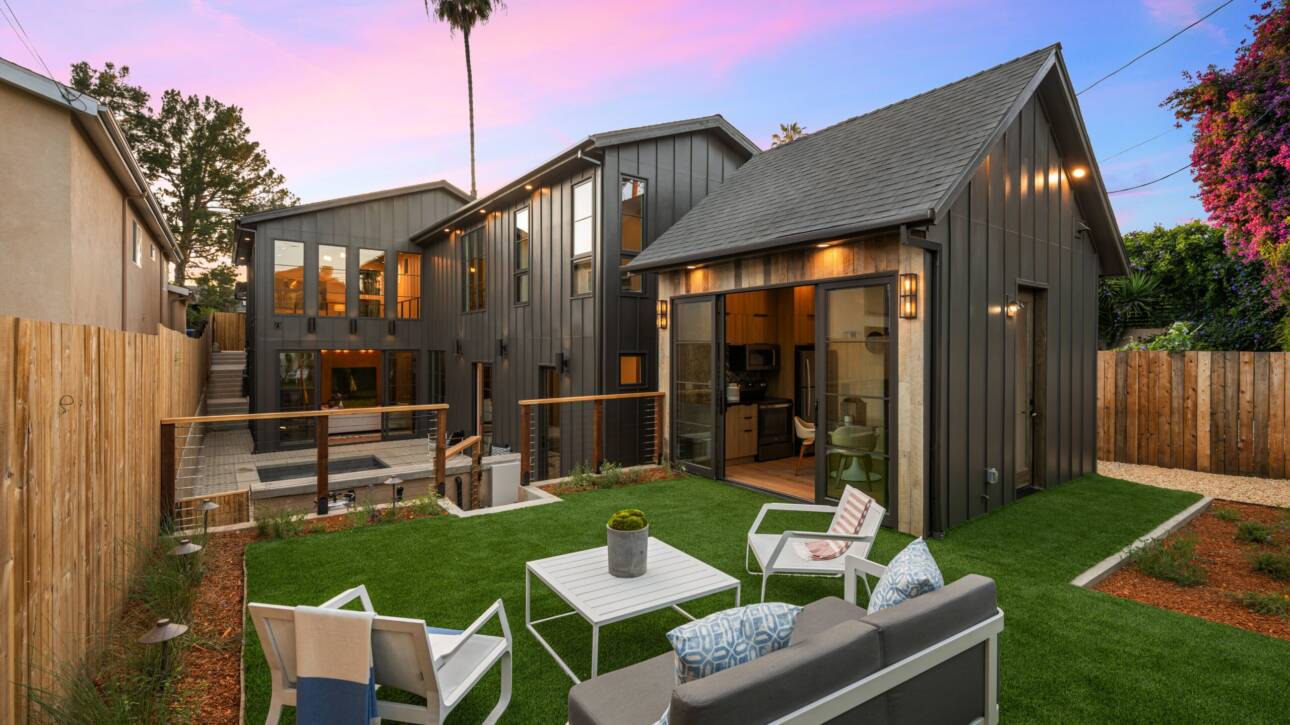
Building a detached ADU in Cupertino was seamless with Lecut handling all permits and construction. Their strict schedule meant I had a tenant paying rent two weeks earlier than projected.

Claudia Sarmiento September 23
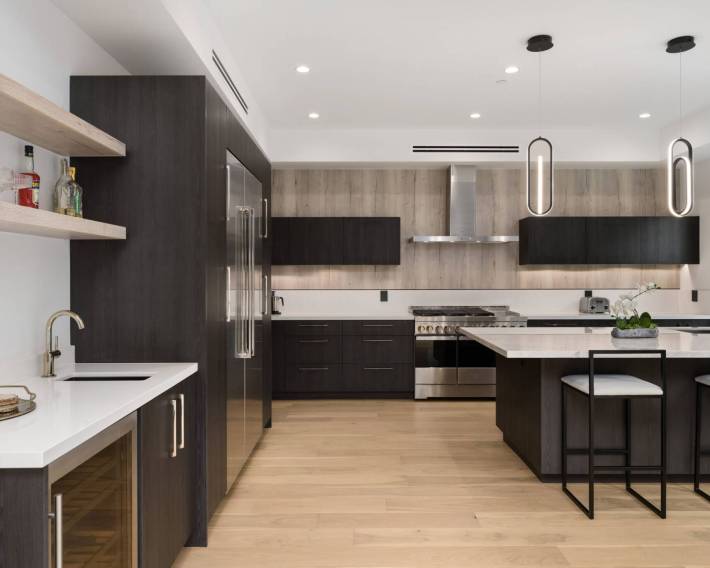
Booking our kitchen remodeling consultation online took under two minutes. The crew showed up at 8 AM sharp in Sunnyvale, stuck to the itemized estimate down to the penny, and finished the installation ahead of deadline.


Gatu Mitchell September 8
Adding a second story addition to our Santa Clara home felt risky until we signed with Lecut. They locked in our contract price before breaking ground, eliminating cost overruns. Their crew worked efficiently, completing structural framing ahead of schedule while keeping the job site spotless.

Florence White September 8
Our rotting porch in Palo Alto was unsafe, but Lecut completed a new composite deck building job in four days flat.
We had a great experience working with Lecut and Yari on our bathroom remodel. Yari was very responsive and easy to communicate with throughout the entire project, and Lecut did a great job with the installation and finishing work.
They were professional, reliable, and always willing to come back and take care of small details when needed. We're very happy with how everything turned out and really appreciate their hard work and attention to detail.

I had a consultation with Yari to discuss a potential home remodel. He spent a great deal of time understanding my goals, brainstorming different layout options, and explaining the pros and cons of each approach. I appreciated that he was thoughtful, patient, and transparent throughout the discussion. He followed up with a detailed summary of our meeting and a realistic preliminary estimate, which helped me make an informed decision. Although I ultimately decided not to move forward with a major remodel, I had a very positive experience working with him and would gladly recommend him to anyone looking for a knowledgeable and professional contractor.
LeCut will ensure you love your renewed home.
After beating out two other remodel bids, because of the team, vision, and value, Yari, Luis, and team transformed our outdated bathroom into a clean, usable, and comfortable space. Working with Yari was a great experience, since he personally ensured we were 100% satisfied with the results of the project. Communicating with the team was smooth and the team was clean and respectful with with the rest of our house. Prior to completing the project, Yari did a thorough inspection with us to identify issues with tile alignment and grout finish. Yari and Luis brought the team back to rework the fit and finish items quickly, leaving us completely happy with the space.

People Also Ask
The 30% rule is a financial guideline suggesting that homeowners should not spend more than 30% of their home's current market value on a single renovation project. This helps ensure you do not over-improve your property for the neighborhood, which can make it difficult to recoup costs upon resale. For example, if your home is valued at $500,000, your maximum renovation budget should be around $150,000. Before starting any project, it is wise to review your local market. For a thorough approach, we recommend reading our internal article titled 'The Ultimate Pre-Remodeling Checklist For San Jose Homeowners' at The Ultimate Pre-Remodeling Checklist For San Jose Homeowners. Lecut Construction always advises clients to balance personal enjoyment with smart financial planning.
When communicating with your contractor, avoid saying "I can get it cheaper elsewhere" as it can damage trust and suggest you are not committed to the project. Also, refrain from asking for a price reduction after work has begun, as this undermines the agreed contract. Never say "I will handle that part myself" if you lack the proper license or insurance, as it creates liability issues. Finally, avoid vague statements like "just do what you think is best" without clear specifications, as this often leads to misunderstandings and costly change orders. For more guidance on project planning, refer to our internal article titled How To Choose The Right Gutters And Downspouts.
A budget of $100,000 can be sufficient for a significant home renovation, depending on the scope and your location. In areas like San Jose, Santa Clara, and Sunnyvale, this amount typically covers a full kitchen remodel or a substantial bathroom renovation, but it may not stretch to a whole-house overhaul given higher labor and material costs. For a comprehensive understanding of how to allocate funds and navigate local requirements, we recommend reading our internal article titled San Jose Home Improvement Guide: Navigate Permits, Preservation Rules, and Renovation Costs Like a Pro. Professional advice suggests prioritizing structural and mechanical updates, such as electrical or plumbing, before cosmetic finishes. Always obtain multiple quotes and set aside 10-15% for unexpected issues to ensure your budget remains effective.
When considering which home renovation offers the highest return on investment, minor kitchen remodels and garage door replacements typically lead the market. A minor kitchen update, such as replacing countertops, cabinet fronts, and energy-efficient appliances, often recoups over 80% of its cost at resale. Similarly, a new garage door can return nearly 95% of its expense. For a comprehensive strategy, our internal article titled Whole-House Remodel vs. Piecemeal Approach: The Only Guide You Need (2026) explains how a whole-house approach can sometimes yield better long-term value than isolated projects. At Lecut Construction, we recommend focusing on curb appeal and functional upgrades, as these consistently provide the strongest financial returns for homeowners in San Jose, Santa Clara, and Sunnyvale.