

Destiny Aburto Meza January 19
Experienced team creating clean finishes and delivering steady updates.


Naomi Brooks January 19
I recently found myself locked out of my house late at night, and it was a terrible experience. I called an emergency locksmith, and a technician came to my location in an incredibly short period of time, less than 20 minutes. He was very professional and polite. He quickly unlocked me into my house without causing any damage. The service was excellent, and the charges were reasonable for the emergency.


Paul Merson December 31
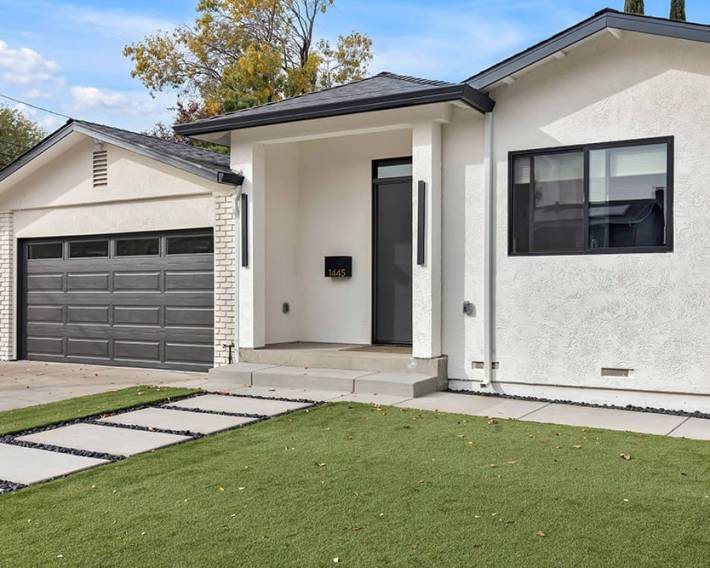
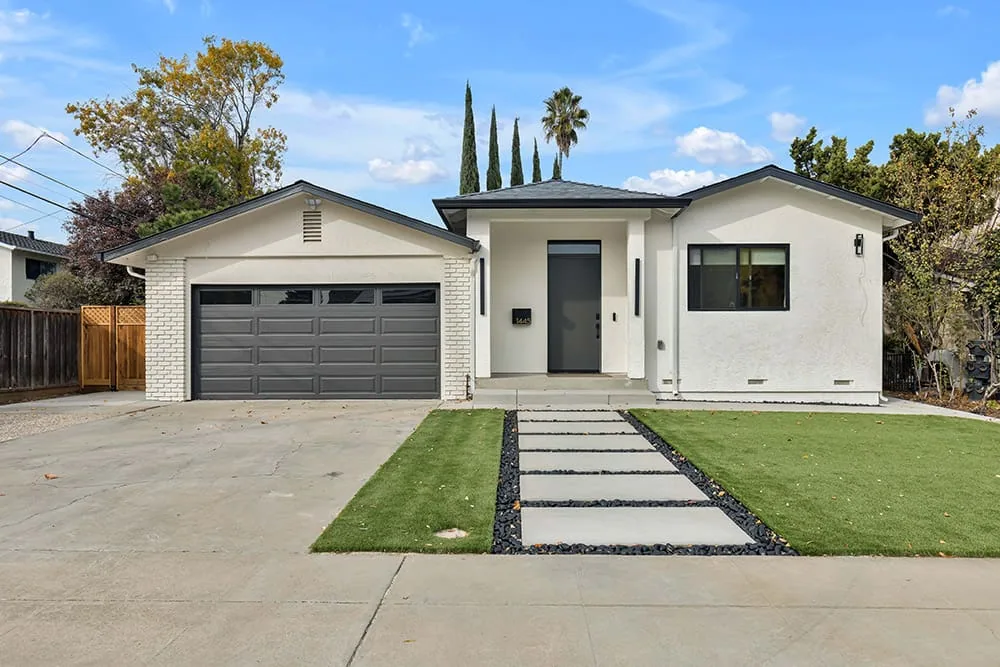
In San Jose getting a reliable and trustable home remodeler can be daunting task, but not when you have Lecut Construction.
They had a plan for the remodel and they implemented it in a professional manner.
People Also Ask
The 30% rule in remodeling is a budgeting guideline suggesting homeowners should not spend more than 30% of their home's current market value on a major renovation project. This is a rule of thumb to help ensure the investment is financially sound and that the homeowner is likely to recoup a significant portion of the cost when selling. For example, on a $500,000 home, the recommended maximum renovation budget would be $150,000. This helps prevent over-improving a property relative to others in the neighborhood, which can make it difficult to recover the investment. It is a starting point for planning, and actual budgets should also consider specific project goals, local market conditions, and personal financial circumstances.
When communicating with a general contractor, avoid statements that undermine professionalism or create unnecessary conflict. Never say, "I don't have a budget," as this can lead to unrealistic expectations and poor financial planning. Avoid demanding, "Just get it done," without providing clear specifications, as this invites misunderstandings and subpar work. Refrain from questioning their expertise with, "My friend said to do it this way," as it undermines their authority. Do not make last-minute major changes without discussing cost and timeline implications. Clear, respectful communication is key to a successful project. For a comprehensive guide on vetting professionals, see our internal article Top Questions To Ask Before Hiring A San Jose Remodeling Contractor.
The adequacy of a $100,000 renovation budget depends heavily on the project's scope, location, and the home's condition. For a targeted, single-area update like a kitchen or bathroom overhaul, or refreshing flooring and paint throughout a modest-sized home, this budget can be sufficient and yield excellent results. However, for a full-scale, whole-house renovation involving structural changes, high-end finishes, or major system updates (electrical, plumbing, HVAC), $100,000 may fall short, especially in high-cost regions. Key to success is meticulous planning: obtain multiple detailed quotes, prioritize needs over wants, allocate a 10-20% contingency for unforeseen issues, and consider phased work if the budget is tight. Professional guidance from a contractor during the planning phase is crucial to set realistic expectations.
The hourly rates for home remodelers vary widely based on location, experience, and project complexity. On average, you can expect to pay between $50 and $150 per hour. For specialized trades like electricians or plumbers, rates may be higher, often ranging from $75 to $200 per hour. It's crucial to note that many contractors prefer to provide project-based quotes rather than hourly rates to account for materials, labor, and unforeseen issues. Always obtain detailed written estimates, check references, and ensure proper licensing and insurance. Remember, the lowest hourly rate doesn't always equate to the best value; quality workmanship and reliability are key factors in a successful remodel.