

Destiny Aburto Meza January 19
Experienced team creating clean finishes and delivering steady updates.


Naomi Brooks January 19
I recently found myself locked out of my house late at night, and it was a terrible experience. I called an emergency locksmith, and a technician came to my location in an incredibly short period of time, less than 20 minutes. He was very professional and polite. He quickly unlocked me into my house without causing any damage. The service was excellent, and the charges were reasonable for the emergency.


Paul Merson December 31
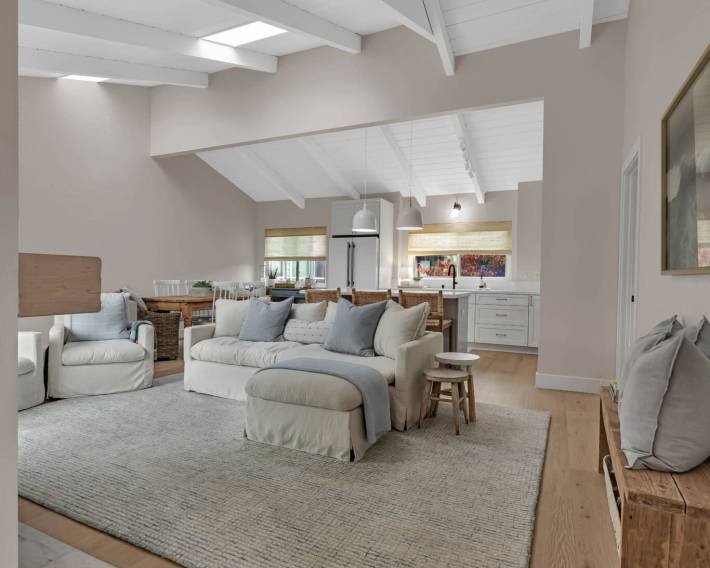
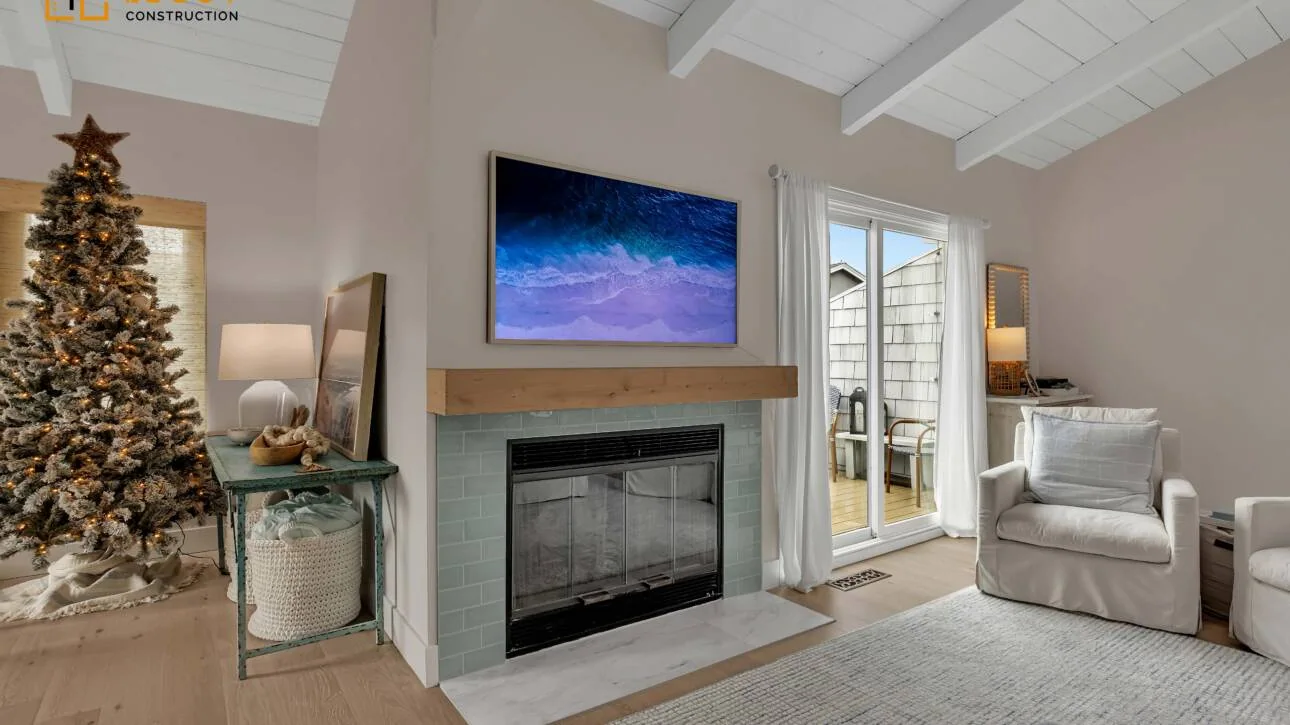
In San Jose getting a reliable and trustable home remodeler can be daunting task, but not when you have Lecut Construction.
They had a plan for the remodel and they implemented it in a professional manner.

People Also Ask
Design-build firms can be highly worthwhile for many construction projects due to their integrated approach. By combining design and construction services under a single contract and entity, they streamline communication, reduce project timelines, and often control costs more effectively. This single point of accountability minimizes disputes between designers and builders, leading to fewer change orders and a more collaborative process. For owners seeking a faster delivery, reduced administrative burden, and a team focused on constructibility and budget from the outset, the design-build model is a strong choice. It is particularly valuable for complex projects where close coordination is essential for success.
A design builder is a single entity responsible for both the design and construction phases of a project, streamlining the entire process. This integrated approach fosters collaboration from the outset, allowing for value engineering, faster project delivery, and more predictable costs. By managing both disciplines, the design builder can identify potential constructability issues early, mitigate risks, and enhance overall efficiency. This model contrasts with traditional design-bid-build, where the design is completed before a contractor is selected. For a deeper exploration of this project delivery method and its benefits, please refer to our internal article Design and Build.
Architects and engineers design buildings, while construction companies and contractors build them. Architects focus on aesthetics, functionality, and spatial relationships, creating the overall vision and plans. Structural, mechanical, and electrical engineers then develop the technical specifications to ensure safety and performance. The actual construction is executed by general contractors who manage specialized subcontractors for trades like framing, plumbing, and electrical work. This collaborative process, from design to completion, requires close coordination to meet client needs, adhere to building codes, and deliver a structurally sound and usable facility.
The design team in construction is responsible for translating a client's vision into a buildable, safe, and compliant set of plans and specifications. This multidisciplinary group, which typically includes architects, structural engineers, and MEP (mechanical, electrical, plumbing) engineers, creates the detailed blueprints that guide every phase of the project. Their role is crucial for establishing the project's aesthetic, functional, and performance criteria while ensuring adherence to all building codes and regulations. Effective design minimizes costly changes during construction and lays the foundation for a successful build. For a deeper exploration of project phases and team responsibilities, refer to our internal article Construction.