The Great Bay Area Remodel: Your Blueprint for Sanity (and an Awesome Home)
Let’s be real for a second. The idea of a home remodel in Silicon Valley is equal parts thrilling and terrifying. We dream about that chef’s kitchen, that spa-like bathroom, that seamless addition that finally gives us room to breathe. Then we think about the process—the dust, the decisions, the dreaded “while we’re at it” moments, and yes, the cost. It’s enough to make anyone want to hide in the one bathroom that still works and never come out. But what if it didn’t have to be that way?
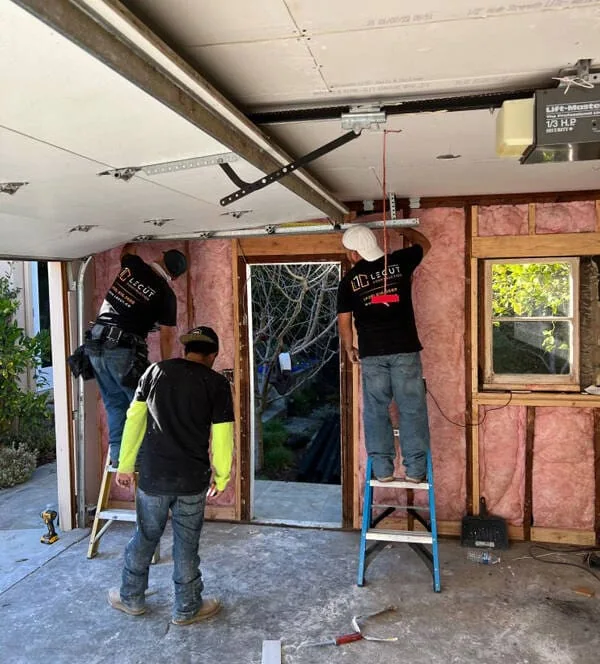
We’ve been in your shoes, and now we’re on the other side of the toolbox at Lecut Construction in San Jose. We’ve seen the good, the bad, and the truly ugly of general remodeling across Santa Clara, Campbell, Milpitas, and beyond. So, grab a coffee, and let’s chat about how to navigate this journey without losing your mind or your life savings.
Phase One: The Dream vs. The Budget Reality Check
We all start with Pinterest boards and grand visions. That’s the fun part! But the first, and most crucial, step is aligning that dream with the numbers. Asking “what’s the price?” isn’t just about getting a number; it’s about understanding value.
- Scope is King: A bathroom remodeler will give you a wildly different estimate than a house remodeling contractor planning a full home remodel. Be clear on what you want from the start.
- The “Near Me” Trap: Sure, you’ll search for “home remodeling services near me,” but the cheapest general contractor isn’t always the best fit. We’re talking about your sanctuary here. IMO, it’s worth vetting the best remodeling company for your specific needs, even if they’re a few towns over in Saratoga or Los Gatos.
Here’s a quick reality table we often discuss with our clients in Sunnyvale and Cupertino to set expectations:
| Project Type | Typical Scope (Bay Area) | Key Cost Drivers | Why a Pro Matters |
|---|---|---|---|
| Bathroom Remodel | Fixture replacement, tile, lighting, vanity. | Material quality (tile, fixtures), plumbing moves, waterproofing. | Moisture is your home’s enemy. A misstep here is a future disaster. |
| Kitchen Remodel | Cabinets, countertops, appliances, flooring, layout. | Custom vs. semi-custom cabinets, appliance tier, countertop material (granite, quartz). | It’s the hub of your home. Flow, function, and electrical/plumbing precision are non-negotiable. |
| Home Additions | Adding square footage (room, second story). | Foundation work, roofing, tying into existing systems, permits. | Structural integrity and seamless integration with your existing home are paramount. |
| Exterior Remodeling | New siding, windows, doors, roofing. | Material choice (fiber cement, stucco), window quality, scale of the project. | This is your home’s armor and first impression. Durability and installation are everything. |
Choosing Your Renovation Contractor: It’s Not Just a Transaction
This is the most important decision you’ll make. You’re inviting this team into your life for months. You need to trust them. So, how do you pick?
- Communication is Everything: Do they explain things clearly, or do they speak in jargon? At Lecut Construction, we believe if you can’t understand it, we haven’t done our job.
- The “Abortable” Plan: Wait, what? Let’s talk about that. A good plan has clear milestones and checkpoints. While you don’t want to abort a project mid-stream, a reputable renovation contractor will have a structured process that allows for informed decisions at each phase. If something feels off or the budget is veering wildly, you should have clear points to pause and reassess—not feel trapped on a runaway train.
- Look at the Whole Portfolio: A general remodeling company should show expertise across areas. Can they handle the exterior remodeling and the intricate interior finishes? For folks in Fremont to Morgan Hill, having one team that sees the whole picture prevents a lot of headaches.
The Silicon Valley Special: Permits, Schedules, and Keeping Your Cool
Ah, the unique charm of remodeling in Silicon Valley. We love it here, but let’s not pretend the permit process in some cities is a walk in the park. A true general contractor will navigate this maze for you. They know the nuances between San Jose, Santa Clara, and Campbell requirements. This isn’t a DIY zone unless you have a peculiar love for municipal paperwork.
And the schedule? Things happen. Rain delays a roof tear-off. A custom cabinet shipment gets held up. The key is transparency. You deserve to know why there’s a delay, not just be left wondering where the crew is. A little humor helps here—sometimes you just have to laugh, order more takeout, and trust the process.
Why “Full Service” Isn’t Just a Buzzword
When you embark on a full home remodel or significant home additions, you’re the CEO of the project. But you don’t want to be the HR manager, supply chain coordinator, and quality assurance inspector all at once. That’s our job.
A best remodeling company acts as your single point of contact. We manage the electricians, plumbers, carpenters, and inspectors. We handle the material deliveries and the dumpster schedules. We make sure the tile guy isn’t waiting on the plumber, who isn’t waiting on the inspector. This coordination is where the value truly lives—it saves you time, money, and a monumental amount of stress. FYI, this is where the “cost” transforms from an expense into an investment in your peace of mind.
Your Questions, Answered (No Fluff, We Promise)
1. How long will my remodel actually take?
Honestly? It depends on the scope, permits, and material lead times. A smooth bathroom might take 4-6 weeks. A major addition could be 4-6 months. A good contractor will give you a realistic timeline with buffer for the unexpected, not a fairy-tale finish date to win the job. We build detailed schedules and, more importantly, keep you updated on them.
2. How do we handle living in the house during the remodel?
It’s a dance. For kitchen remodels, we set up a temporary kitchenette. We seal off work zones with plastic and negative air machines to contain dust. Daily cleanup is non-negotiable. It’s not always comfortable, but a thoughtful crew minimizes the disruption. For major projects, sometimes moving out for a phase is the best sanity-saver.
3. What’s the biggest mistake homeowners make?
Underestimating the decision load. You’ll be picking everything from doorknobs to grout colors. Start selecting finishes early! Also, not setting aside a contingency fund (we recommend 10-20% of the budget). The “unknowns” behind walls are real, and you need to be prepared for them.
4. Why shouldn’t I just hire the cheapest bid?
You get what you pay for. The low bid often cuts corners on materials, insurance, skilled labor, or project management. That “savings” can evaporate in cost overruns, delays, or subpar work that needs fixing later. Investing in an experienced, communicative team like ours at Lecut Construction means the project is done right, on budget, and without you having to manage the chaos.
Wrapping It Up: Your Home, Your Story
At the end of the day, remodeling is about more than just new drywall and shiny fixtures. It’s about creating a home that works for your life, that brings you joy, and that grows with your family here in the heart of Silicon Valley. It’s a big decision, but it doesn’t have to be a scary one.
The goal is to end up with a space you love and a process you don’t regret. That happens when you partner with a team that sees your vision, respects your home, and communicates every step of the way. If you’re dreaming about a change in San Jose, Cupertino, Los Gatos, or anywhere in between, we’d love to be the ones you trust to bring it to life. Let’s have a real conversation about your project. Give Lecut Construction a call, and let’s start building something amazing, together.
Related Articles
People Also Ask
The cost comparison between building and buying a closet system depends on several factors. Building a custom system yourself can be cheaper in material costs if you have the necessary tools and carpentry skills, allowing for premium materials at a lower price point than high-end retail systems. However, it requires a significant time investment and risk of errors. Buying a prefabricated or semi-custom system from a retailer often has a higher upfront cost but includes professional design, precise manufacturing, and faster installation. For a basic closet, DIY might save money. For complex layouts with specialized features, a purchased system can offer better long-term value and durability, making it the more cost-effective choice when considering time, expertise, and finish quality.
The cost to build a custom closet system varies widely based on size, materials, and complexity. A basic DIY system with melamine or wire components can start around $500-$1,500. Professionally designed and installed systems using materials like plywood or solid wood typically range from $2,000 to $8,000 for a standard walk-in closet. High-end custom systems with premium finishes, specialized hardware, and intricate features can easily exceed $10,000. Key cost factors include the linear footage, type of storage components (drawers, shoe racks, lighting), and labor. It is advisable to obtain multiple quotes from reputable contractors and clearly define your storage needs and budget before proceeding.
When designing and installing closet systems, common mistakes include neglecting precise measurements, which leads to ill-fitting components and wasted space. Another frequent error is overlooking the user's specific storage needs, resulting in inefficient layouts that don't accommodate different clothing types. Choosing flimsy materials or improper hardware can compromise durability and safety over time. Failing to plan for adequate lighting inside the closet creates a dark, unusable space. Additionally, not incorporating enough adjustable or modular elements limits future flexibility as storage requirements change. To avoid these, prioritize a custom-fit design with robust construction, thoughtful organization zones, and integrated lighting for a functional and long-lasting installation.
The cost of Home Depot custom closets varies widely based on size, materials, and design complexity. For a basic reach-in closet with melamine shelving, prices often start around $500 to $1,500 for professional design and installation. Larger walk-in closets or those with premium features like solid wood, built-in lighting, or specialized hardware can range from $2,000 to $5,000 or more. Home Depot typically offers free in-home consultations where a designer assesses your space and provides a detailed quote. It's advisable to compare their packages with other providers and consider long-term value, as a well-organized custom closet can enhance both daily living and property resale value.
Building a closet system involves careful planning and execution. Start by measuring the closet space accurately, including width, height, and depth. Decide on the configuration, such as single or double hanging rods, shelves, and drawers, based on your storage needs. Choose durable materials like plywood or melamine for shelves and solid wood or metal for rods. Use a level during installation to ensure all components are straight and secure. Anchor the system firmly to wall studs for stability. Consider adjustable components to allow for future reorganization. Proper planning ensures a functional and long-lasting closet system that maximizes space efficiently.
Building a walk-in closet requires careful planning and execution. Start by assessing the available space and creating a detailed layout, considering zones for hanging, shelving, and drawers. Use high-quality, durable materials like plywood for cabinetry and a robust hanging rod system. Ensure adequate lighting, preferably with LED fixtures, and incorporate proper ventilation to protect clothing. For a professional finish, pay close attention to details like seamless joints, smooth drawer glides, and sturdy hardware. Always adhere to local building codes, especially for electrical work. It is often advisable to consult with or hire experienced professionals, like those at Lecut Construction, to ensure structural integrity and a polished, functional final result that maximizes storage and aesthetics.