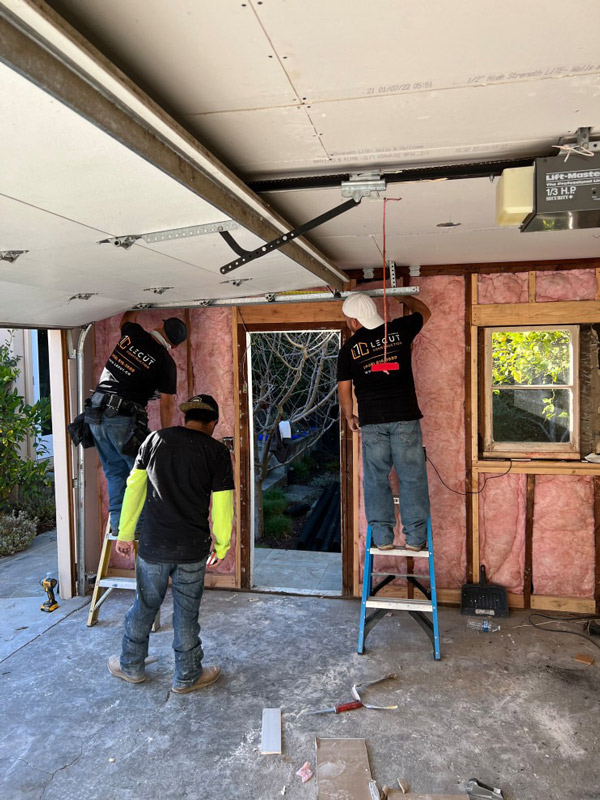
If you own a home built before 1980 in San Jose, your plumbing system is almost certainly hiding threats that can drain thousands of dollars from your bank account overnight. We have seen it repeatedly: a small pinhole leak in a galvanized pipe ruins a remodeled kitchen, or a collapsed Orangeburg sewer line floods a crawlspace right before a home sale. At LeCut Construction, we catch these problems early during our integrated design-build renovations, saving homeowners from emergency repairs that average 30 percent more than planned upgrades. This article identifies the specific plumbing vulnerabilities we encounter daily in San Jose’s aging housing stock, explains why local water conditions accelerate deterioration, and shows you how a proactive approach during any kitchen, bathroom, or whole-home remodel eliminates risk while adding lasting value.
The Hidden Plumbing Risks in San Jose’s Vintage Homes
Older San Jose homes—whether a Craftsman in Rose Garden, a mid-century rancher in Willow Glen, or a postwar bungalow in Naglee Park—share a common DNA of outdated materials that are no longer code-compliant. We find that most plumbing failures stem from just a handful of predictable culprits. Understanding each one puts you back in control.
Galvanized Steel Pipes: The Silent Clog Creator
Homes plumbed before the mid-1970s almost certainly used galvanized steel supply lines. Over decades, these pipes corrode from the inside, gradually narrowing until water pressure drops to a frustrating trickle. Worse, the rust scale that accumulates can break free and damage modern fixtures and appliances. We routinely replace entire galvanized systems with Uponor PEX or Type L copper during kitchen and bath remodels, and homeowners are shocked at how much better their water pressure becomes—and how much sediment was hiding in the lines. According to a study by the Water Quality Research Foundation, galvanized pipe corrosion can reduce internal diameter by up to 75 percent within 40 years (source: wqrf.org).
Sewer Line Deterioration and Root Intrusion
San Jose’s mature tree canopy—magnificent oaks, redwoods, and fruit trees—is one of the city’s greatest charms. It is also the number-one enemy of clay and cast iron sewer laterals. Hairline cracks develop naturally as the ground shifts seasonally, and tree roots follow the moisture straight inside. We have extracted root masses the diameter of a football from 4-inch sewer lines. The City of San Jose’s Department of Public Works reports that private sewer lateral defects are the leading cause of non-emergency plumbing service calls in neighborhoods developed before 1970 (source: sanjoseca.gov). Trenchless cured-in-place pipe lining is often our go-to solution because it preserves landscaping and meets all city lateral compliance requirements.
Polybutylene Pipes: The Time Bomb from the 1980s
If your home was built or re-piped between 1978 and 1995, there is a chance it contains polybutylene (PB) piping. This gray or blue flexible tubing was marketed as a modern replacement for copper, but it reacts with chlorine and other oxidants in public water supplies, becoming brittle and prone to sudden fracture. We encounter PB most often in San Jose homes from the Evergreen and Almaden Valley expansions of that era. While not every polybutylene system fails, we recommend complete replacement whenever we open walls for a remodel, because the cost of remediation after a flood far exceeds the incremental expense of new PEX while the studs are exposed.
Outdated Water Heaters and Earthquake Safety
The majority of older San Jose homes we enter have water heaters that were installed without seismic strapping, flexible gas connectors, or proper expansion tanks—all now mandatory under California Plumbing Code. Beyond code compliance, a water heater over 10 years old is living on borrowed time. We regularly find tanks so corroded internally that the drain valve has seized solid. When we manage a whole-home renovation, we upgrade to high-efficiency heat pump water heaters that qualify for BayREN rebates and stand up to seismic activity with engineered bracing.
San Jose’s Water Chemistry Accelerates Pipe Aging
San Jose Municipal Water System and San Jose Water Company both deliver moderately hard water, typically ranging from 120 to 180 milligrams per liter of calcium carbonate. This hardness deposits scale inside pipes and water heaters, reducing efficiency and lifespan. We also see aggressive pH levels in some foothill neighborhoods served by groundwater wells, which can leach copper into drinking water and cause blue-green staining on fixtures. Installing a whole-house water softener or a point-of-entry filtration system as part of a remodel not only protects new plumbing but also immediately ends scale buildup on new shower glass and faucets.
How LeCut Construction Solves These Issues During Your Remodel
We are a family-owned, design-build firm, which means plumbing remediation happens within a coordinated project—not as a standalone emergency job with a separate plumber, separate drywall team, and separate painter. This integration saves time, eliminates cost overlap, and delivers a far cleaner finished product.
Integrated Pipe Replacement Without Surface Chaos
Because we design and build in-house, we identify every plumbing vulnerability during the architectural planning phase. When we remodel a bathroom down to the studs, we automatically evaluate the supply and drain lines serving that wet wall, often re-routing decades-old piping layouts to improve flow and eliminate unnecessary elbows. We use best-in-class materials: Uponor AquaPEX with expansion fittings that resist freeze damage, and Mission rubber couplings to transition old cast iron to new ABS for drain stacks. No other contractor our clients have hired before has offered this level of forensic attention.
Trenchless Sewer Repair That Keeps Your Landscape Intact
We own relationships with specialized trenchless contractors who perform pipe bursting and CIPP lining. During a home addition or major remodel, we coordinate lateral inspection and repair as a single permit package, which satisfies San Jose’s sewer lateral ordinance without delaying a sale or generating extra permit fees. We have saved homeowners over 15,000 dollars in landscaping restoration costs alone by lining a failed clay lateral instead of excavating a 60-foot trench.
Seismic Upgrades as Standard Practice
We will never set a new water heater without two heavy-gauge metal straps anchored into the studs with 3-inch lag screws, a compliant gas flex line, and an automatic earthquake shut-off valve. We also evaluate gas risers for corrosion and add flexible connections where rigid steel pipes enter the foundation, reducing the risk of a post-earthquake gas leak. This is personal for us: our team lives in the Bay Area, and we understand that the next major seismic event is a matter of when, not if.
Warning Signs We Encourage Homeowners to Watch For
Spotting these symptoms early can prevent a five-figure restoration. We teach every client to run through this checklist during a home walk-through.
-
Discolored Water: Brown or orange water from hot taps indicates the water heater tank is rusting internally. Blue-tinted water suggests copper corrosion in the supply lines.
-
Reduced Water Pressure at Multiple Fixtures: If cleaning an aerator does not fix the issue, the restriction is almost certainly inside galvanized supply piping.
-
Gurgling Drains or Foul Odors: This often points to a partially collapsed or root-filled sewer line, especially after heavy rain.
-
Unexplained Warm Slab Spots: A warm floor in a concrete slab home usually means a hot water line has ruptured underneath—a classic slab leak.
-
Water Meter Spinning with All Fixtures Off: The simplest test. If your water meter dial is moving, you have a leak somewhere in the system, and you need a professional leak detection survey immediately.
Cost Breakdown: Proactive Replacement vs. Emergency Repair in 2026
Because we prepare accurate estimates every day, we know what these fixes really cost in the San Jose market. The table below uses data from our 2025–2026 completed projects and industry averages. All figures are in dollars.
These figures reflect real bids from Bay Area licensed contractors and do not include potential insurance deductible offsets. A proactive approach consistently yields a five-figure advantage.
Local Codes and Permits You Absolutely Must Know
San Jose requires a plumbing permit for any work beyond minor fixture replacement. We pull permits for every project, which protects your homeowner’s insurance and ensures a clean record when you sell.
-
Sewer Lateral Ordinance: If you are renovating a property valued over 100,000 dollars or selling any home, the city likely mandates a sewer lateral compliance certificate. We handle video inspection and repair coordination to meet this requirement without drama. (Source: sanjoseca.gov)
-
Earthquake Gas Shutoff Valves: Required for new installations and strongly recommended for existing homes. San Jose encourages automatic excess-flow gas shutoff valves installed downstream of the meter.
-
Lead Pipe Abatement: While rare in San Jose, pre-1940 homes may have lead service laterals. The EPA’s Lead and Copper Rule requires public notification if discovered. We coordinate with San Jose Water Company to identify and replace any lead components if found during excavation.
Future-Proofing Your Plumbing with Smart Technology
We design every whole-home renovation to be ready for the next decade. Three upgrades we now consider standard include:
-
Smart Leak Detection Systems: Devices like Flo by Moen or Phyn install directly onto the main water line and monitor flow, pressure, and temperature 24/7. They can automatically shut off the water if a burst pipe is detected, and many insurance carriers offer premium discounts for the installation.
-
Recirculating Hot Water Pumps: Older San Jose homes often have long pipe runs that waste gallons of water while you wait for hot water at a distant bathroom. A dedicated return loop with an on-demand pump delivers hot water in seconds and can save a family of four up to 12,000 gallons of water annually.
-
Leak-Sensing Angle Stops: We install FloodStop or similar quarter-turn valves with integrated moisture sensors under every sink, toilet, and dishwasher. A small drip triggers automatic shutoff before it becomes a cabinet-destroying flood. This single detail has saved our clients thousands in water damage.
Frequently Asked Questions
How much does it cost to repipe an older San Jose home?
A full repipe for a typical 1,200-square-foot home with two bathrooms ranges from 6,800 to 10,500 dollars when we do it as part of a larger remodel where walls are already open. As a standalone project, expect 12,000 to 18,000 dollars once drywall repair, texture, and paint are included. Material choice (PEX vs. copper) and crawlspace accessibility heavily influence the final number.
Do I need a permit to replace a water heater in San Jose?
Yes. A plumbing permit is required for water heater replacement, and the installation must comply with California Plumbing Code for seismic strapping, combustion air, flue piping, and expansion tank. We pull this permit as part of every project. The City of San Jose Building Division processes permits within one to two weeks for contractor-submitted applications.
Can tree roots really destroy a sewer line?
Absolutely. We have pulled dense root mats over 20 feet long from clay pipes. Roots enter through hairline cracks at pipe joints, expand, and eventually block the line completely or crack the pipe wider. Mature trees near the lateral path are a near-guarantee of future intrusion, which is why we always camera-inspect the sewer before any major renovation.
What are the signs of a slab leak?
The most common signs are a warm or damp spot on the floor, the sound of running water when all fixtures are off, a sudden spike in the water bill, or cracks appearing in tile flooring. If the leak is in the hot water line, you may also notice a drop in water temperature at certain fixtures. Slab leaks require immediate professional attention because they can undermine the foundation.
Is polybutylene piping still insurable?
Most homeowner insurers in California now require a full polybutylene replacement as a condition of issuing or renewing a policy, especially after 2026 underwriting guideline updates. If your home has PB piping, we strongly recommend repiping before an insurance inspection flags it and forces an accelerated timeline.
How do I know if my galvanized pipes need replacing?
If your home was built before 1975 and still has its original plumbing, the pipes almost certainly need replacement. We confirm by cutting a small section of pipe and inspecting the interior; often the opening is smaller than a pencil. Low water pressure, frequent leaks, and rust-colored water are all definitive indicators.
Will you handle the drywall and finish work after the plumbing repair?
Yes. As a design-build firm, LeCut Construction manages every aspect of the project, from opening the wall to replacing the pipe to closing up, texturing, and painting. We leave your home completely finished—no need to coordinate separate trades.
Protect Your Home with a Free Design Consultation
At LeCut Construction, we are a family-owned, design-build contracting firm rooted in the Bay Area. Our core values—quality, integrity, accountability, and respect—mean we approach every plumbing challenge as if we were working on our own home. We specialize in kitchen and bathroom remodeling, whole-home renovations, and custom additions, all executed with meticulous workmanship and clear communication. Because the majority of our business comes from client referrals, our reputation for reliability is proven. We hold full licensing and insurance and serve homeowners in San Francisco, Oakland, San Jose, and beyond.
Do not wait for a plumbing failure to dictate the schedule of your remodel. Call us at (408) 816-3688 to schedule your free design consultation. Together we will transform your older San Jose home into a modern, efficient, and water-safe sanctuary that your family will enjoy for decades.
This response is AI-generated, for reference only.