

Destiny Aburto Meza January 19
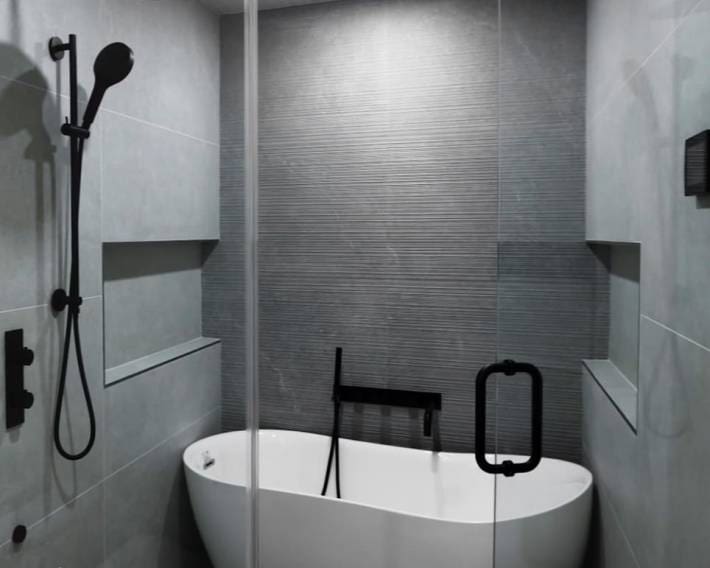
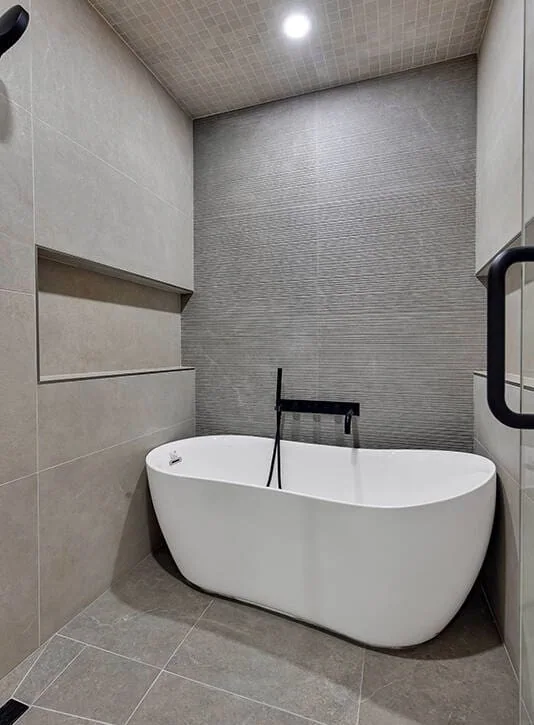
Experienced team creating clean finishes and delivering steady updates.


Naomi Brooks January 19
I recently found myself locked out of my house late at night, and it was a terrible experience. I called an emergency locksmith, and a technician came to my location in an incredibly short period of time, less than 20 minutes. He was very professional and polite. He quickly unlocked me into my house without causing any damage. The service was excellent, and the charges were reasonable for the emergency.


Paul Merson December 31
In San Jose getting a reliable and trustable home remodeler can be daunting task, but not when you have Lecut Construction.
They had a plan for the remodel and they implemented it in a professional manner.
People Also Ask
The cost comparison between building an ADU on-site versus buying a prefabricated unit depends heavily on project specifics. Generally, prefab ADUs can be cheaper upfront due to controlled factory construction, which reduces labor time and material waste. However, site-built ADUs offer more customization and may have lower per-square-foot costs in some regions, especially if using existing foundations or structures. Key factors include local permitting fees, site preparation costs (like utility connections and foundation work), and transportation for prefab units. A prefab might offer faster completion and predictable pricing, while a custom build allows greater design flexibility to match your primary home. Always obtain detailed quotes for both options in your area.
The cost comparison between adding on to an existing home versus building a detached Accessory Dwelling Unit (ADU) depends heavily on specific project conditions. Generally, a well-planned interior addition or bump-out can be cheaper per square foot as it utilizes existing foundation, roof, and utility connections. However, it often involves complex integration with the current home's systems and living disruptions. A new, detached ADU typically has higher per-square-foot construction costs due to needing its own foundation and all new utility runs. Yet, it avoids the complexity and potential structural issues of tying into an old house and can be more straightforward to design and permit in some municipalities. The final budget is dictated by site specifics, local code requirements, and the intended quality of finishes.
Building an accessory dwelling unit (ADU) involves navigating complex regulations, which is where common mistakes occur. A major error is failing to secure proper permits or ignoring local zoning codes regarding setbacks, height limits, and owner-occupancy rules, which can lead to costly fines or required demolition. Underestimating the budget for site work, utility connections, and quality materials often results in unfinished projects or subpar construction. Overlooking design aspects like natural light, storage, and separate entrances can reduce functionality and rental appeal. Lastly, not hiring experienced professionals familiar with ADU-specific challenges—from foundation work to efficient space planning—can compromise the entire build's success and long-term value.
California's ADU laws have been updated to address the housing shortage. Key changes include allowing two ADUs on single-family lots, removing owner-occupancy requirements for newly constructed units, and imposing strict local processing timelines (60 days for standard ADUs). Height and size limits have been increased, and cities must now allow ADUs in multi-family zones. These laws, primarily from Assembly Bills 68, 881, and 670, aim to streamline approval and encourage construction. Homeowners should always verify specific requirements with their local planning department, as some local ordinances may have unique provisions or design standards that apply.