

Destiny Aburto Meza January 19
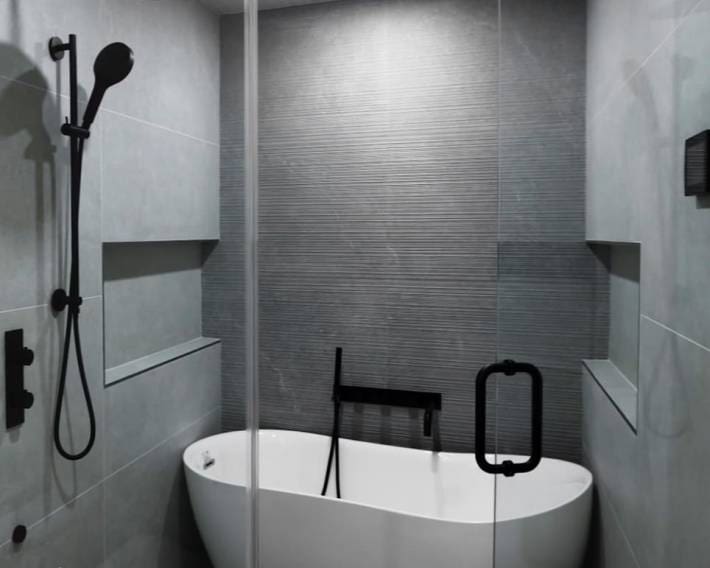
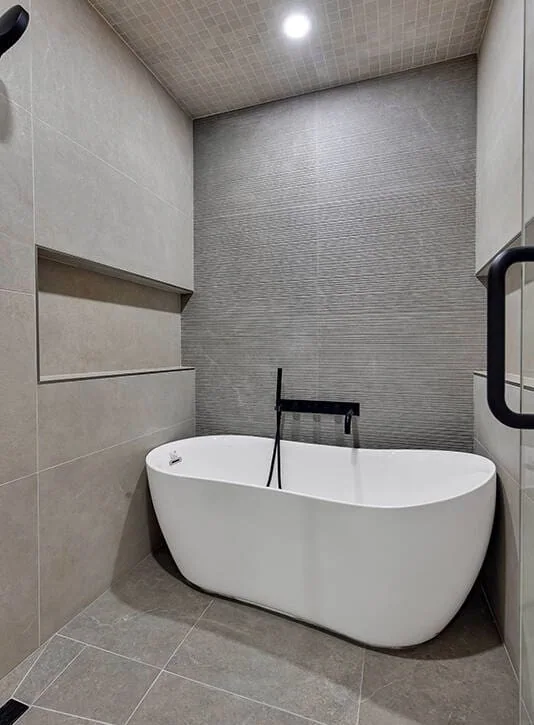
Experienced team creating clean finishes and delivering steady updates.


Naomi Brooks January 19
I recently found myself locked out of my house late at night, and it was a terrible experience. I called an emergency locksmith, and a technician came to my location in an incredibly short period of time, less than 20 minutes. He was very professional and polite. He quickly unlocked me into my house without causing any damage. The service was excellent, and the charges were reasonable for the emergency.


Paul Merson December 31
In San Jose getting a reliable and trustable home remodeler can be daunting task, but not when you have Lecut Construction.
They had a plan for the remodel and they implemented it in a professional manner.
People Also Ask
The $40,000 grant in California is primarily the CalHFA ADU Grant Program. It offers forgivable loans of up to $40,000 to qualified homeowners to cover pre-development and non-recurring closing costs associated with constructing an Accessory Dwelling Unit (ADU) or Junior ADU (JADU). Eligible costs include impact fees, planning, design, soil testing, and permit expenses. The loan is forgiven if the homeowner maintains ownership and does not use the ADU as a short-term rental for five years. This initiative aims to increase affordable housing stock. Homeowners should consult the California Housing Finance Agency (CalHFA) website or a housing counselor for the latest eligibility requirements, as funding is limited and program details can change.
The cheapest ADU option is typically a prefabricated or modular unit, which can cost significantly less than custom-built structures due to factory efficiency and reduced labor. Another low-cost approach is converting an existing space like a garage, basement, or attic, as it utilizes the existing foundation and shell. Careful planning and adherence to local zoning and building codes are essential to avoid costly delays. While minimizing upfront expenses, it's crucial to not compromise on quality for essential elements like insulation, plumbing, and electrical systems, as this can lead to higher long-term costs. Always obtain multiple quotes and consider the total cost of ownership.
One significant drawback of an Accessory Dwelling Unit (ADU) is the high initial cost and complex financing. Unlike a primary mortgage, securing a construction loan for an ADU can be challenging, as lenders may view it as a higher-risk project. Upfront expenses for design, permits, site work, and construction are substantial. This financial hurdle can be prohibitive for many homeowners, even with the potential for long-term rental income. Additionally, the return on investment is not immediate, and the added property value may not fully offset the construction costs for several years, requiring careful financial planning and a clear understanding of local market conditions before proceeding.
The cost comparison between adding on to your main house versus building a detached Accessory Dwelling Unit (ADU) is highly situational. Generally, a well-planned addition can be more cost-effective per square foot as it leverages existing walls, foundation, and utility connections. However, a detached ADU, while often having higher per-square-foot costs due to needing its own foundation and utilities, can offer greater long-term value through rental income and property resale appeal. The cheaper option truly depends on your property's layout, local zoning and permit costs, the scope of work for tying into existing home systems, and your specific goals. A professional consultation with a design-build firm is essential for an accurate, site-specific cost analysis.
Lecut Construction offers comprehensive accessory dwelling unit (ADU) services in Hayward, covering the entire process from initial concept to final completion. Our approach begins with a detailed consultation to understand your goals, followed by expert assistance with Hayward's specific planning and permit requirements, which is a critical step. We handle all design, engineering, and construction phases, focusing on maximizing your property's potential with high-quality, efficient builds. Our team stays current with local zoning laws and building codes to ensure a smooth project. We prioritize clear communication, transparent pricing, and durable craftsmanship, whether you're building a detached unit, garage conversion, or basement apartment to add value and functionality to your property.
Accessory dwelling unit (ADU) services in Hayward, California, involve various cost factors based on design, size, and construction complexity. On average, total costs can range from approximately $150,000 to $400,000 or more. This includes expenses for architectural design, permitting fees with the City of Hayward, foundation work, construction materials, plumbing, electrical systems, and interior finishes. Key cost drivers are the ADU type (e.g., detached, attached, or garage conversion), site conditions, and chosen amenities. It is crucial to hire licensed contractors familiar with local building codes and ADU-specific regulations. Obtaining multiple detailed quotes and budgeting for potential unforeseen site issues is a standard professional practice to ensure financial preparedness.
The City of Hayward Development Services Department is the central agency overseeing all construction, planning, and building activities within the city. It manages the review and permitting process for new developments, renovations, and land use changes. For any construction project in Hayward, engaging with this department early is crucial. They handle zoning compliance, plan checks, building permits, and inspections to ensure all work meets California Building Codes and local ordinances. Their goal is to facilitate safe, sustainable, and compliant development. Builders should consult the official City of Hayward website for specific application forms, fee schedules, and current processing timelines to streamline project approval.