

Destiny Aburto Meza January 19
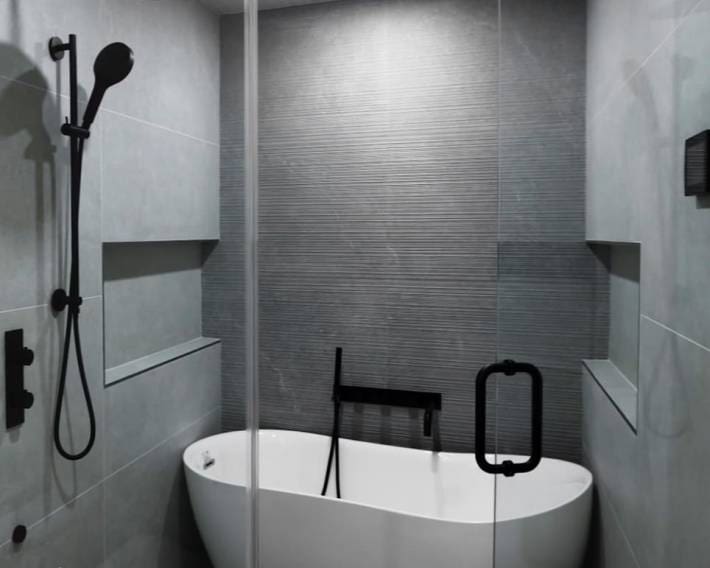
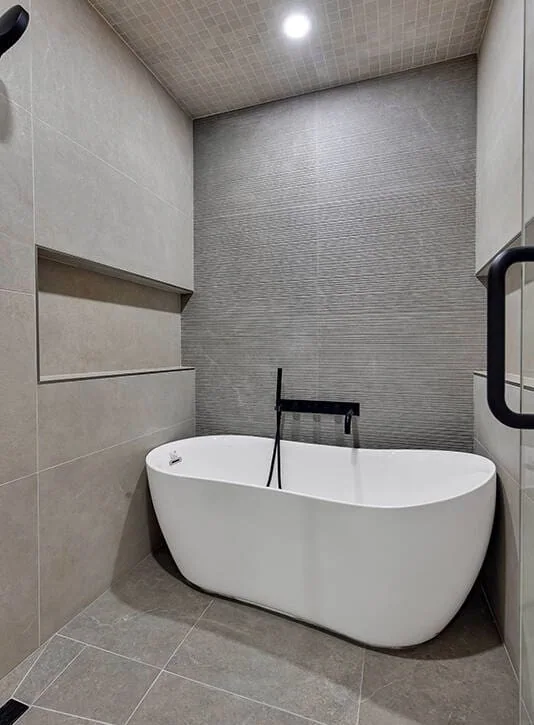
Experienced team creating clean finishes and delivering steady updates.


Naomi Brooks January 19
I recently found myself locked out of my house late at night, and it was a terrible experience. I called an emergency locksmith, and a technician came to my location in an incredibly short period of time, less than 20 minutes. He was very professional and polite. He quickly unlocked me into my house without causing any damage. The service was excellent, and the charges were reasonable for the emergency.


Paul Merson December 31
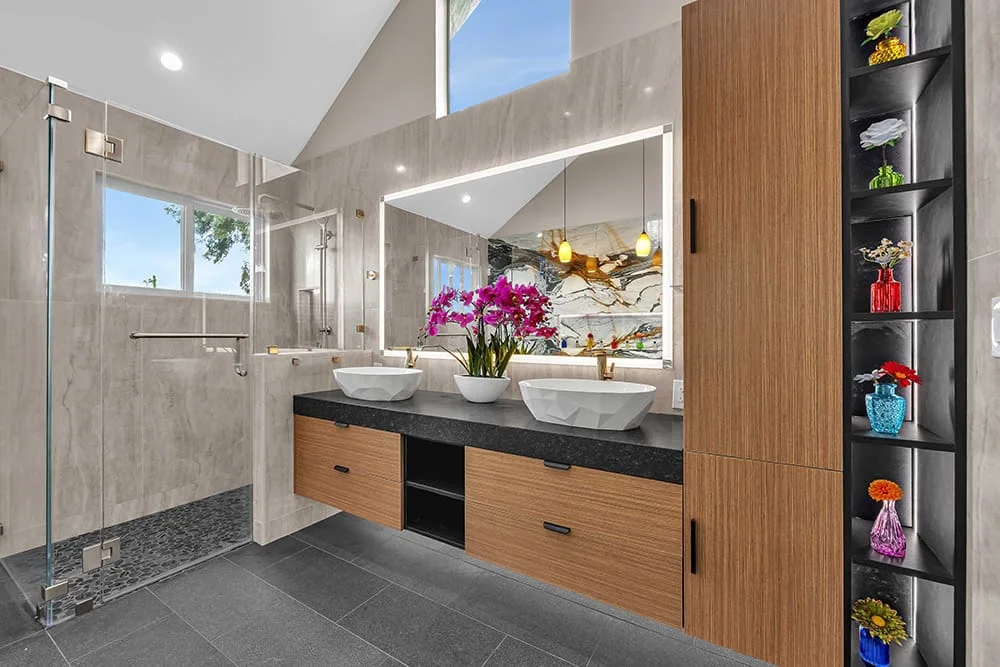
In San Jose getting a reliable and trustable home remodeler can be daunting task, but not when you have Lecut Construction.
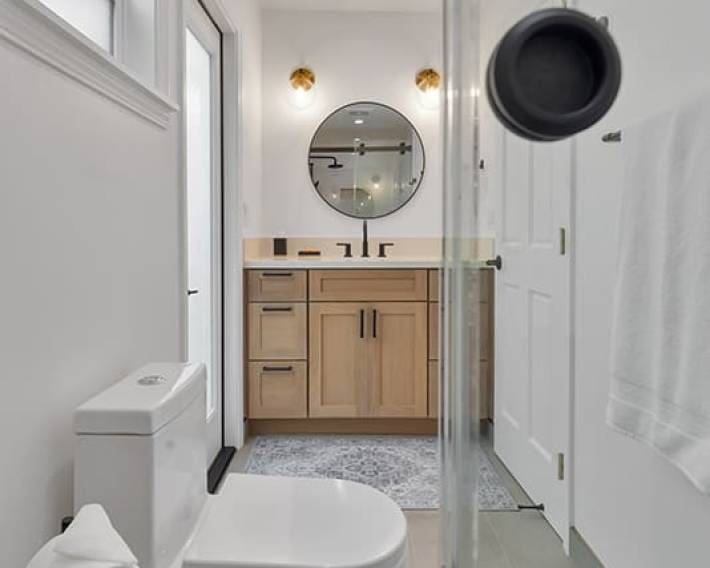
They had a plan for the remodel and they implemented it in a professional manner.
People Also Ask
The most cost-effective ADU option is typically a prefabricated or modular unit. These are factory-built to standard specifications, which reduces labor and material waste. Prefab ADUs can be installed quickly, minimizing site disruption and construction loan interest. Another budget-friendly approach is converting existing space like a garage or basement, as the core structure is already in place. To control costs, keep the design simple with a rectangular footprint and standard finishes. Always get multiple quotes from licensed contractors and verify if your local jurisdiction offers any ADU incentives or streamlined permits to further reduce expenses.
One drawback of an Accessory Dwelling Unit (ADU) is the significant upfront cost and potential financing challenges. Constructing a new ADU involves expenses for design, permits, materials, and labor, which can be substantial even for a small unit. Many homeowners find securing traditional financing for ADU projects difficult, as they are not always viewed as standard home improvement loans. This initial investment can strain budgets and extend project timelines. Additionally, while an ADU can increase property value and generate rental income, the return on investment is not immediate, requiring careful financial planning to ensure the project is viable without causing undue economic stress.
Rhode Island's new ADU (Accessory Dwelling Unit) law, enacted in 2021, significantly eases restrictions to address the state's housing shortage. It overrides local zoning to allow one ADU on most owner-occupied, single-family lots statewide. Key provisions include prohibiting owner-occupancy requirements for the main house after ADU construction, banning excessive off-street parking mandates, and streamlining the permitting process. The law aims to increase affordable housing options, support multigenerational living, and maximize existing infrastructure. Municipalities must update ordinances to comply, though they retain some design and dimensional control. This state-level preemption is a major shift, intended to encourage gentle density and provide homeowners with more flexibility.
The cost comparison between adding on to an existing home and building a detached Accessory Dwelling Unit (ADU) varies significantly by project and location. Generally, a well-planned interior addition or bump-out can be cheaper as it utilizes the existing foundation, roof, and utility connections, avoiding costs for new exterior walls and separate systems. However, a detached ADU, while often more expensive upfront due to needing its own foundation, utilities, and full construction, can offer greater long-term value through rental income and increased property value. The final cost depends on site conditions, local permit fees, material choices, and labor. A detailed feasibility study and cost estimate from a qualified contractor are essential for an accurate comparison.
Lecut Construction provides comprehensive accessory dwelling unit (ADU) services in Campbell, California, covering all phases from initial planning to final construction. This includes navigating the specific local zoning codes and permit requirements of Campbell, which are crucial for approval. Our team handles design, ensuring the ADU complements your main residence and maximizes your property's potential. We manage all construction, focusing on quality materials and efficient processes to create functional living spaces, whether for family, rental income, or a home office. Adhering to California state ADU laws and local ordinances, we aim to streamline the project, minimize hassle, and deliver a valuable addition that enhances your property's utility and value.