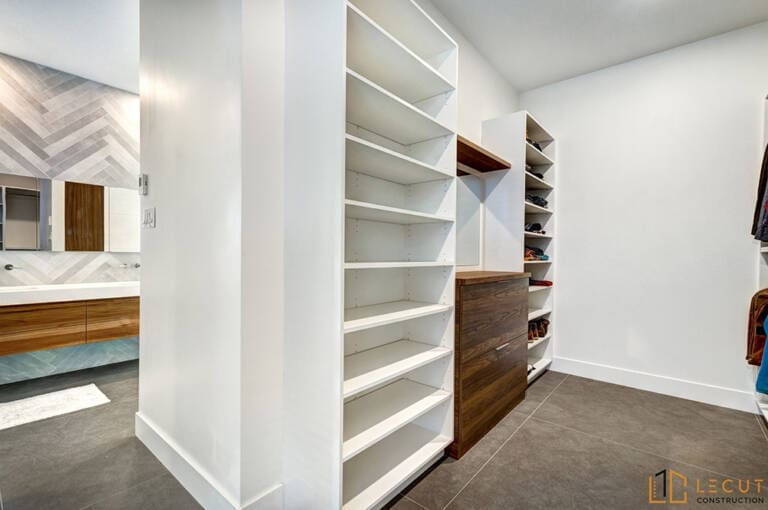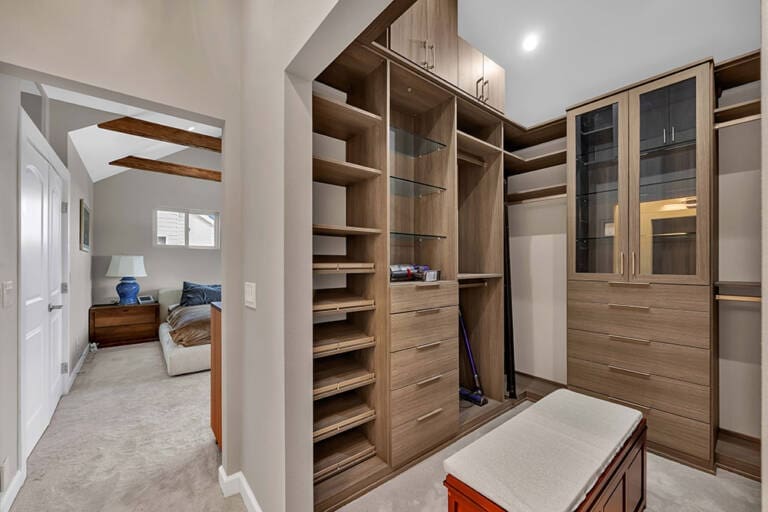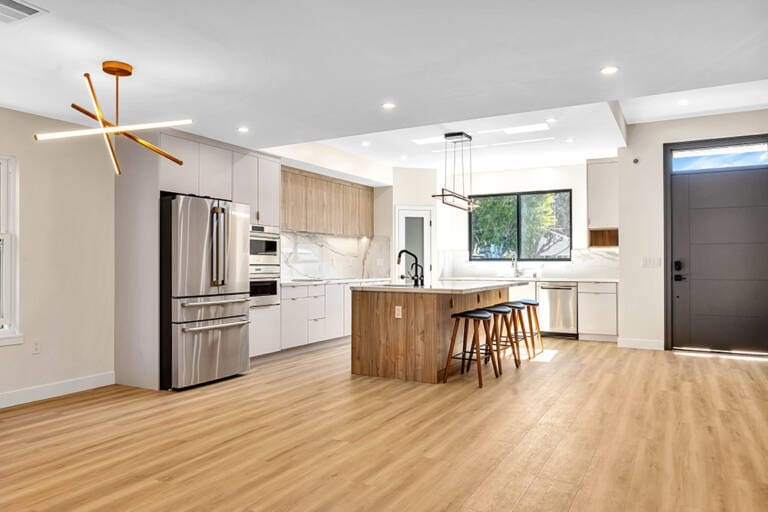
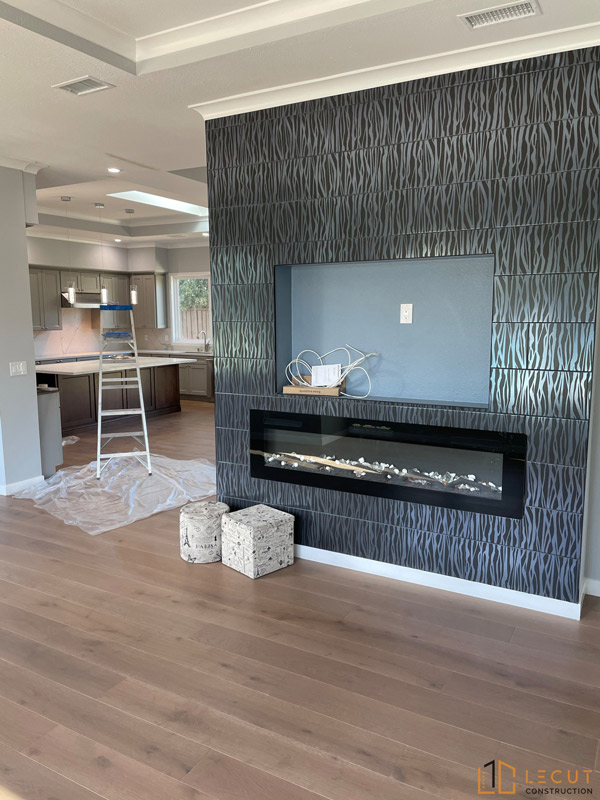
We have remodeled hundreds of homes across the San Francisco Bay Area, and the numbers consistently confirm that a single whole‑house renovation costs 15 to 20 percent less per square foot than the same work done room by room over several years. A unified project eliminates duplicate mobilization fees, cuts design waste, and protects you from the inflation and permitting delays that make phased work up to 35 percent more expensive in the long run. More than cost, a whole‑home remodel delivers the cohesive, future‑proof living space you truly want—without the relentless disruption of a never‑ending construction site.
Why the Whole‑House Remodel Approach Wins in 2026
Homeowners in San Francisco, Oakland, and San Jose frequently ask us whether they should update their entire home at once or spread renovations across multiple years. We understand the appeal of paying as you go, but our design‑build experience has shown that the piecemeal approach rarely delivers the finished home, budget certainty, or peace of mind clients envision. What follows is a detailed breakdown—rooted in local market data, building code realities, and our own project tracking—so you can see exactly where the real advantages lie.
The True Cost of Piecemeal Renovation vs. Whole‑Home Remodeling
When we compare the final ledger of a phased project to a comprehensive whole‑house renovation of the same scope, the premium for doing the work incrementally jumps off the page. The table below reflects typical figures for a 2,000‑square‑foot Bay Area home remodeled to a mid‑to‑upper specification in 2026.
Table: Five‑Year Cost Comparison — Whole‑House vs. Piecemeal Renovation
| Cost Factor | Whole‑House Remodel (Single Phase) | Piecemeal Approach (Three Phases Over Five Years) | Additional Cost with Piecemeal |
|---|---|---|---|
| Design & architectural fees | 18,000 dollars (one unified set) | 27,000 dollars (three separate drawing packages) | 9,000 dollars |
| Permits & city fees | 8,500 dollars (single submittal) | 15,000 dollars (multiple submittals, updated codes) | 6,500 dollars |
| Mobilization & site protection | 5,000 dollars (once) | 12,000 dollars (three separate mobilizations) | 7,000 dollars |
| Material procurement (bulk purchasing) | 85,000 dollars (discounted whole‑project order) | 98,000 dollars (retail pricing on smaller orders) | 13,000 dollars |
| Labor continuity | 110,000 dollars (streamlined scheduling) | 132,000 dollars (inefficient starts/stops, overtime) | 22,000 dollars |
| Waste removal & portable sanitation | 4,000 dollars | 9,500 dollars | 5,500 dollars |
| 5‑year cumulative inflation uplift (7% avg. annual construction inflation) | Not applicable | 31,000 dollars | 31,000 dollars |
| Total Project Cost (same scope) | 230,500 dollars | 324,500 dollars | 94,000 dollars |
Sources: Our internal project data cross‑referenced with the 2026 Cost vs. Value Report (Remodeling Magazine, hanleywood.com) and the Bay Area construction cost index published by Rider Levett Bucknall.
The figures above show that a phased renovation can easily cost 40 percent more for the identical set of improvements. Even if you do not plan to move walls or reroute plumbing, the repeated soft costs of design, permits, and contractor setup make piecemeal the most expensive way to upgrade your home. We have saved clients tens of thousands of dollars simply by bundling all scopes into one well‑planned design‑build contract.
How Project Duration and Disruption Multiply with a Room‑by‑Room Strategy
A whole‑house remodel in the Bay Area typically takes us 14 to 20 weeks from the first day of demolition to the final inspection when all trades are sequenced correctly. When homeowners choose to phase the same work—kitchen one year, bathrooms the next, living areas after that—the combined active construction time often stretches to 14 months or more. You are living in a perpetual jobsite.
Dust, noise, and material staging never fully leave your home. Children and pets must constantly be relocated from active zones. Family routines fracture. We have seen phased renovations strain relationships simply because there is never a moment of true completion. In a unified whole‑house renovation, we compact the mess and move your family out for a defined period, returning you to a completely finished home where every surface is clean, safe, and ready to enjoy.
Permitting and Code Advantages of a Single Bay Area Remodel
San Francisco, Oakland, and San Jose building departments all update their codes on a rolling basis. When you pull permits for a kitchen in 2026, then a bathroom in 2028, you risk being forced to comply with stricter energy, seismic, or fire‑safety requirements that did not exist at the start of your project. A single permit set locks your entire home into one consistent code cycle, saving you from expensive re‑engineering and compliance upgrades later.
Additionally, a unified submittal gives the planning department a complete picture of the structural and mechanical changes. This often shortens review time because the reviewer does not need to reconcile fragmented drawings. Our relationships with local building officials in Santa Clara, Alameda, and San Francisco counties have repeatedly demonstrated that a complete whole‑house application earns more efficient plan check cycles than a series of disconnected alteration permits.
Design Cohesion: The Difference Between a Home and a Collection of Rooms
Perhaps the most overlooked advantage of a whole‑house remodel is design integrity. When you renovate one space in isolation, you are forced to make flooring, trim, color, and lighting decisions that may clash with future phases. We have walked into homes where beautiful new kitchen cabinetry abuts a dated hallway floor because the budget did not stretch that year. The result feels jarring, and homeowners eventually pay to redo transitional areas anyway.
A whole‑home design creates a unified narrative. We design sightlines, daylight flow, and material continuity from the front door to the back porch. All hard surfaces, door styles, and hardware finishes are selected once, ensuring that every room complements the next. This approach typically increases appraisal value more than the sum of individual room upgrades because appraisers reward “fully updated” condition over “partially updated.”
Seismic and Systems Integration: The Hidden Safety Benefit
Older Bay Area homes often sit on outdated foundations and carry a tangle of knob‑and‑tube wiring, corroded galvanized pipes, and undersized HVAC ductwork. When we remodel one room at a time, it is tempting to leave the old systems in the walls because accessing them is disruptive and expensive in a small‑scope project. A whole‑house renovation gives us the access we need to replace the electrical panel, repipe the entire supply and drain system, install a modern heat pump, and seismically retrofit the foundation in a single, coordinated effort.
This not only makes the house safer in an earthquake—a non‑negotiable priority for families in our region—but it eliminates the risk that a new kitchen drain will back up into a 70‑year‑old cast‑iron pipe under the slab six months after we finish. We have seen that happen. By tackling systems holistically, we erase decades of deferred maintenance in one pass.
When a Piecemeal Approach Still Makes Sense
We are not ideologues; there are scenarios where renovating one zone at a time is the right call:
-
You have a strict near‑term budget and need immediate functional upgrades, such as a hazardous staircase or a non‑functioning bathroom.
-
You are living in the home throughout construction and cannot relocate, and the work is limited to a self‑contained area that can be sealed off.
-
The scope is genuinely small and does not touch core mechanical, electrical, or plumbing systems.
In these situations, we still advise clients to ask their contractor to draft a master plan for the entire property. Even if you execute in phases, designing the complete vision upfront prevents the design‑conflict trap and lets us pre‑position plumbing stub‑outs, electrical subpanels, and framing headers for future phases. This “master‑planned piecemeal” approach costs a little more in design fees at the start but saves dramatically later.
Unique Insights from Our San Francisco Bay Area Projects
Over our years as a family‑owned design‑build firm, we have gathered data and observations that we have never seen fully captured in generic remodeling articles:
-
The “finish material migration” problem: In a phased renovation, paint colors, tile, and engineered flooring often get discontinued between phases. We have had to order an entirely new batch of kitchen cabinet doors because the factory stopped producing the original finish 18 months later. A whole‑house order locks in the same dye lot and production run.
-
Temporary kitchen fatigue: A master‑planned whole‑house remodel often includes a complete temporary kitchen set‑up in the garage or a pod, which we commission once and run for the duration. In a piecemeal scenario, you build and tear down a temporary kitchen multiple times, each cycle costing 2,000 to 4,000 dollars.
-
Subcontractor availability in the Bay Area’s superheated labor market: The best tile setters, electricians, and cabinet installers are booked months in advance. When we present a substantial, continuous 12‑week block of work, we secure their commitment. Small, erratic job phases push you to the bottom of their schedule, forcing you to accept second‑tier talent or endure long gaps.
-
Appraisal and refinance impact: We have partnered with local real estate appraisers who confirm that a home remodeled all at once within the last three years consistently appraises 5 to 8 percent higher than a home with staggered updates of similar total investment. The market perceives “fully renovated in 2026” as a premium product.
Why Choose LeCut Construction for Your Whole‑Home Transformation
LeCut Construction is a family‑owned and operated design‑build contracting firm rooted in the San Francisco Bay Area. We specialize in kitchen and bathroom remodeling, whole‑home renovations, and custom home additions, all executed with meticulous workmanship and outstanding customer service. Our core values—quality, integrity, accountability, and respect—are present at every jobsite meeting, every material selection session, and every final walkthrough.
Because the vast majority of our business comes from client referrals, our reputation for reliability and satisfaction is proven every day. We are fully licensed and insured, and we serve homeowners in San Francisco, Oakland, San Jose, and the surrounding communities. When you hire us for a whole‑house remodel, you get:
-
A single point of contact from the initial design sketch to the certificate of occupancy.
-
Transparent, itemized fixed‑price contracts so you never face surprise change orders.
-
In‑house design expertise that saves you thousands of dollars in architectural fees compared to hiring separate architects and engineers.
-
Deep relationships with local building officials, ensuring smooth permit approvals.
-
A clean, secure jobsite and a start‑to‑finish schedule we stand behind.
Ready to Explore a Whole‑House Remodel That Truly Fits Your Life?
We invite you to schedule a free design consultation. Let us walk through your home, listen to your goals, and show you how a unified renovation can deliver the cohesive, stress‑free result you deserve—while often costing substantially less than the room‑by‑room path. Call LeCut Construction today at (408) 816-3688. We will help you build the home you have been imagining, on budget and on your timeline.
Frequently Asked Questions
How much does a whole‑house remodel cost per square foot in the Bay Area in 2026?
We find that a mid‑grade whole‑house remodel in San Francisco, Oakland, or San Jose typically ranges from 250 to 450 dollars per square foot, depending on the level of finishes, structural changes, and system upgrades. This includes design, permits, materials, and labor. A high‑end gut renovation with luxury finishes can exceed 550 dollars per square foot. By bundling all scopes, the blended rate per square foot drops noticeably compared to doing individual rooms.
Can we live in our home during a whole‑house remodel?
We always recommend relocating during a major whole‑house renovation. When walls are opened, plumbing is repiped, and HVAC ducts are replaced, the home is not a healthy or comfortable environment. We work with clients to set a realistic move‑out window—usually 12 to 16 weeks—after which they return to a fully finished, move‑in‑ready home. The short‑term inconvenience is dramatically less than living through years of piecemeal construction.
What permits do we need for a whole‑home renovation in San Jose or San Francisco?
A whole‑house remodel typically requires building, electrical, plumbing, and mechanical permits, plus a possible planning department review if the scope changes the exterior or adds square footage. Homes in historic districts or hillside zones may need additional discretionary approvals. We handle the entire permitting process, including structural calculations and Title 24 energy compliance reports, as part of our design‑build service.
How long does a whole‑house remodel take from start to finish?
The construction phase for a standard 2,000‑square‑foot whole‑house remodel usually takes 14 to 20 weeks. The full process, including design, engineering, and permit approval, adds roughly 8 to 12 weeks before construction begins. Our clients appreciate that a single, well‑defined timeline replaces years of uncertainty and weekend disruption.
Is it possible to phase a whole‑house remodel if we cannot afford the entire cost upfront?
Yes, and we often help clients create a master‑planned phase strategy. We design the complete home first, then group the construction into logical packages—for example, Phase 1: foundation, framing, rough plumbing and electrical throughout the house; Phase 2: finishes and cabinetry. This approach secures bulk purchasing and systemic upgrades while spreading cash flow. It is vastly superior to unplanned, disconnected room remodels.
Will a whole‑house remodel increase my property taxes in California?
Generally, a remodel that does not add square footage is considered maintenance and improvement, not a reassessable new construction under Proposition 13. However, substantial changes, such as adding a second story or a major addition, can trigger a supplemental assessment. We encourage clients to discuss their specific scope with a local property tax consultant; we can coordinate the documentation you need.
How do we choose between a design‑build firm and an architect plus separate general contractor?
A design‑build firm like LeCut Construction provides a single source of accountability for both design and construction. This model typically reduces the overall project timeline, eliminates finger‑pointing between designer and builder, and controls costs more tightly because the team that designs the home also prices and builds it. We find that for whole‑house remodels, the integrated design‑build approach delivers the most cohesive outcome with the fewest headaches.
Sources and Further Reading
-
Remodeling 2026 Cost vs. Value Report, Hanley Wood Media Inc. — https://www.remodeling.hw.net/cost-vs-value/2026/
-
National Association of Home Builders, “Cost of Construction per Square Foot” — https://www.nahb.org
-
Rider Levett Bucknall, North America Quarterly Construction Cost Report — https://www.rlb.com/americas/
-
Houzz 2026 U.S. State of the Industry Report — https://www.houzz.com/magazine
-
San Francisco Department of Building Inspection, Permit Guidelines — https://sfdbi.org
-
California State Board of Equalization, Proposition 13 Overview — https://www.boe.ca.gov/prop13/
People Also Ask
The 30% rule in remodeling is a general guideline suggesting that you should not spend more than 30% of your home's current market value on a single room renovation. This principle helps homeowners avoid over-improving a property relative to its neighborhood. For example, if your home is valued at $500,000, a kitchen remodel should ideally not exceed $150,000. Following this rule can protect your investment by ensuring you do not price your home out of the local market. At LeCut Construction, we often advise clients in San Jose and Santa Clara to consider this rule when planning major projects, as it aligns with prudent financial planning and helps maintain strong resale value.
The most significant factors that devalue a house are typically related to neglected structural integrity and poor location. Foundation issues, a failing roof, or outdated electrical and plumbing systems can drastically reduce a property's worth, as these repairs are costly and disruptive. Additionally, a lack of curb appeal, such as overgrown landscaping or a damaged driveway, signals to buyers that the home has not been maintained. For homeowners in San Jose, addressing these core issues before listing is critical. For a comprehensive strategy to avoid these pitfalls, please refer to our internal article titled San Jose Home Remodel Preparation Guide: A Complete Checklist to Maximize Value and Minimize Stress, which provides a complete checklist to maximize value and minimize stress.
When communicating with your contractor, avoid saying "I can get materials cheaper myself" as it undermines their sourcing and warranty responsibilities. Never say "We don't need a permit" because skipping permits can lead to legal issues and safety hazards. Avoid "Can you start tomorrow?" without a signed contract, as this pressures the contractor and skips essential planning. Also, do not say "My budget is flexible" without specifics, as this can lead to cost overruns. For expert guidance on project specifics, refer to our internal article titled How To Choose The Right Gutters And Downspouts. At LeCut Construction, we emphasize clear, honest communication to ensure successful project outcomes.
A budget of $200,000 is generally sufficient for a substantial home remodel, but the scope depends heavily on your specific goals and location. For a full kitchen and bathroom renovation in the San Jose area, this amount is realistic for high-quality materials and professional labor. However, for a complete whole-house overhaul including structural changes, new systems, and premium finishes, costs can escalate quickly. It is crucial to allocate 10-15% for unexpected issues. For tailored advice on maximizing your investment, we recommend reading our internal article titled How To Future-Proof Your San Jose Home Renovation to ensure your project aligns with long-term value and local market standards.