
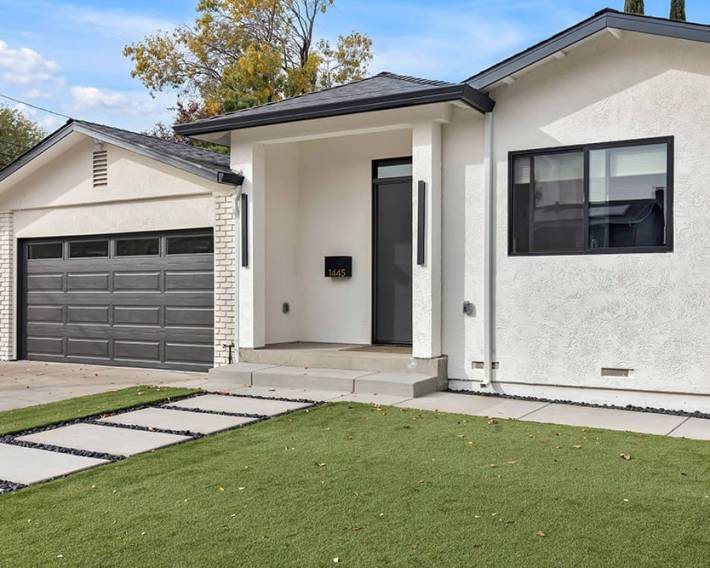
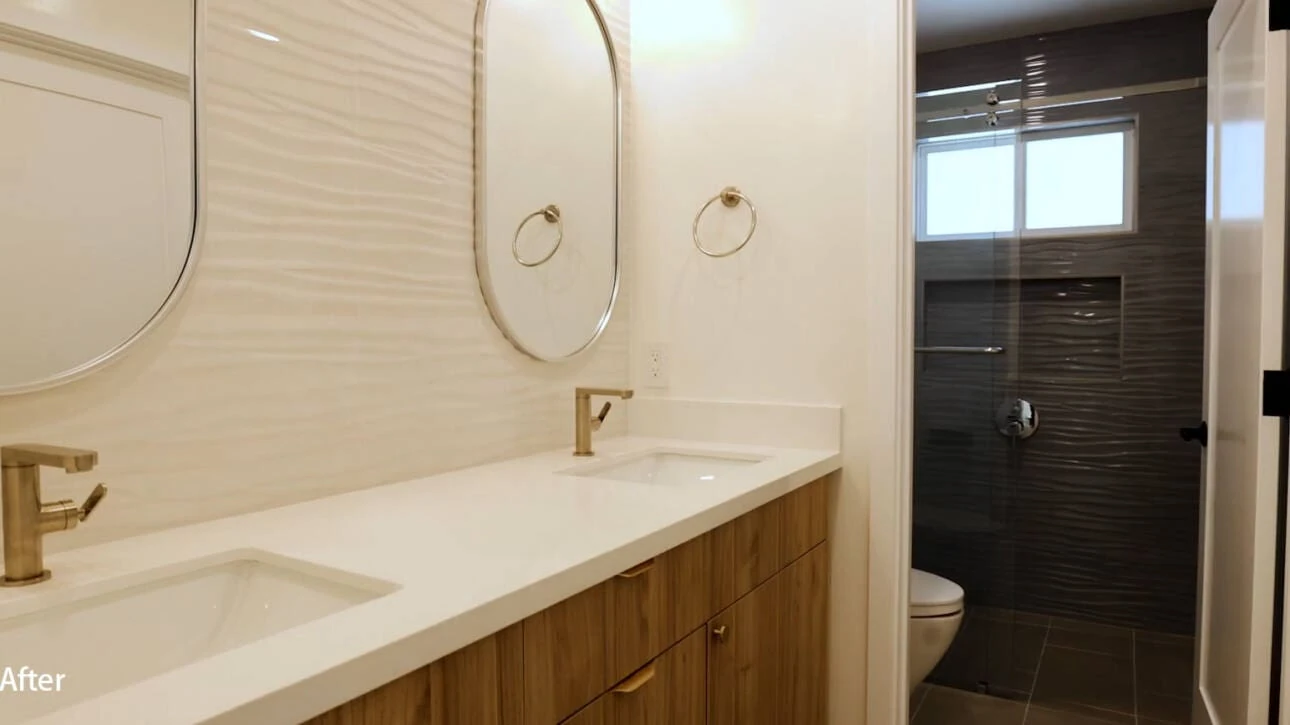

Experienced team creating clean finishes and delivering steady updates.


I recently found myself locked out of my house late at night, and it was a terrible experience. I called an emergency locksmith, and a technician came to my location in an incredibly short period of time, less than 20 minutes. He was very professional and polite. He quickly unlocked me into my house without causing any damage. The service was excellent, and the charges were reasonable for the emergency.


In San Jose getting a reliable and trustable home remodeler can be daunting task, but not when you have Lecut Construction.
They had a plan for the remodel and they implemented it in a professional manner.
Related Articles
Complete House Remodeling
How To Manage Dust And Debris During A Home Remodel
Top Questions To Ask Before Hiring A San Jose Remodeling Contractor
People Also Ask
The 30% rule in remodeling is a budgeting guideline suggesting that homeowners should not spend more than 30% of their home's current market value on a major renovation project. This rule helps prevent over-improvement, where the cost of the remodel significantly exceeds the value it adds to the property, making it difficult to recoup the investment upon sale. For example, on a $500,000 home, the recommended maximum remodel budget would be around $150,000. This is a general benchmark; critical factors like the project's scope, local real estate trends, and your long-term plans for the home should also guide your final budget. Consulting with a professional contractor and a real estate agent can provide a more precise, customized financial plan.
The sufficiency of $100,000 for a home renovation depends heavily on the project's scope, location, and home size. For a targeted, high-impact update like a kitchen or bathroom remodel in a moderate-cost area, this budget can be ample, allowing for quality materials and professional labor. However, for a whole-house renovation, especially involving structural changes, major system updates (electrical, plumbing, HVAC), or high-end finishes, $100,000 may be insufficient. Key factors include current material and labor costs, which have risen significantly. Detailed planning with a clear budget breakdown, a contingency fund of 10-20% for unforeseen issues, and obtaining multiple contractor quotes are essential steps to maximize the value of this investment.
The cost to revamp a whole house varies significantly based on scope, location, and material choices. A full-scale renovation can range from $100,000 to over $400,000, with high-end projects reaching $1 million or more. Key cost drivers include structural changes, kitchen and bathroom overhauls, system upgrades (electrical, plumbing, HVAC), and finish quality. It is crucial to obtain detailed quotes from licensed contractors and budget for a 10-20% contingency for unforeseen issues. For a comprehensive guide on planning and budgeting such a major project, we recommend reading our internal article Whole Home Remodeling. Proper planning with a clear scope is essential for managing costs and achieving your desired outcome.
The sufficiency of a $50,000 budget for a home renovation depends entirely on the project's scope, location, and goals. For a targeted, single-room remodel—such as a kitchen or bathroom with mid-range finishes—this budget can be adequate. However, for a whole-house renovation, it is typically insufficient to cover structural changes, high-end materials, and professional labor. Key factors include whether you are doing cosmetic updates versus major mechanical work, acting as your own general contractor, and the local cost of labor and materials. Careful planning, prioritizing needs over wants, and obtaining multiple detailed quotes are essential to avoid significant cost overruns. A $50,000 renovation requires strict budget discipline and realistic expectations.
When selecting a whole home remodeling company, it is crucial to partner with a licensed, insured, and experienced general contractor. A reputable firm will manage the entire project, coordinating all subcontractors, securing permits, and ensuring the work meets current building codes. They should provide a detailed, fixed-price contract and a clear timeline. Look for a company with a strong portfolio of completed projects and verifiable client references. Effective communication and a transparent process are key to a successful renovation that aligns with your vision and budget. For a comprehensive guide on planning such a major project, we recommend reading our internal article Complete House Remodeling.