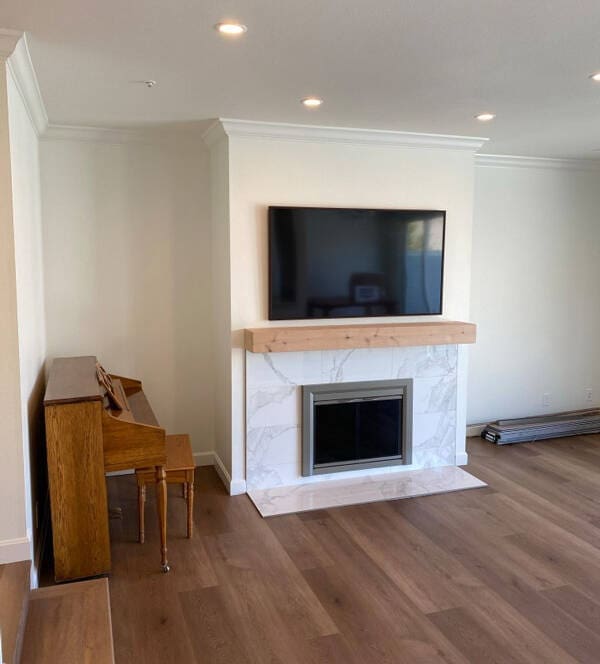

The Great Bay Area Remodel: Your No-Stress Guide to Not Ruining Your House
Let’s be honest. The word “remodel” can send a shiver down even the most seasoned homeowner’s spine. We’ve all heard the horror stories: budgets that balloon like a Thanksgiving parade float, timelines that stretch into infinity, and that sinking feeling when you realize your “quick kitchen update” now requires a structural engineer. But what if it didn’t have to be that way? What if the process could be, dare we say it, even enjoyable?
We’re right there with you. In the whirlwind of Silicon Valley, where our homes are our sanctuaries from the tech hustle, the idea of improving our space is thrilling. Yet, the path to getting there often feels fraught with peril. That’s the conversation we want to have today. Let’s talk about navigating a home remodel in the Bay Area without losing our minds or our life savings.
First Things First: The “Why” Before the “Wow”
Before we even glance at a paint swatch or a tile sample, we need to hit pause. Why are we doing this? Is it to finally have that chef’s kitchen for those legendary dinner parties? To add a bathroom so the morning routine stops feeling like a competitive sport? Or is it about preparing our home for the long haul, increasing its value and functionality for the next chapter?
Getting crystal clear on our “why” is our North Star. It’s what will guide every single decision we make afterward, especially when we’re tempted by that gorgeous, astronomically priced Italian faucet (we’ve all been there). This clarity is also the very first thing a great renovation contractor will want to understand. When we at Lecut Construction in San Jose sit down with homeowners, this is our starting point. It helps us build a plan that’s not just beautiful, but truly purposeful.
The Cast of Characters: Who Does What, Anyway?
The construction world has its own language, and it’s easy to get the titles confused. Knowing who you’re talking to can save you a world of headaches. Let’s break it down:
- General Contractor (GC): This is your quarterback, your project manager. A true general contractor doesn’t just swing a hammer; they orchestrate the entire symphony. They hire and manage all the subcontractors (plumbers, electricians, carpenters), pull permits, schedule inspections, and are responsible for making sure the entire project comes together on time and, ideally, on budget. For a full home remodel or complex project, this is your go-to.
- Specialty Contractor: This is your all-star player for one specific position. A bathroom remodeler or a kitchen specialist focuses deeply on one area. They’re fantastic for that single-room update. But for projects that involve multiple trades—say, a home addition that requires foundation work, framing, roofing, and plumbing—you’ll likely need a GC to coordinate the show.
- The “Handyman”: Perfect for small, discrete jobs. Replacing a door, installing shelves, patching drywall. For anything involving permits or major systems, we need to level up.
So, how do we find the best remodeling company for our specific chaos? It’s less about searching “home remodeling services near me” and hoping for the best, and more about targeted vetting.
Your Game Plan for Vetting the Dream Team
Finding the right team is 90% of the battle. Here’s our no-nonsense playbook:
1. Seek Specific, Local Experience.
A contractor who mostly builds decks in Morgan Hill might not be the expert for a Victorian restoration in Saratoga. We want a team with a proven portfolio in our specific city and with our type of project. Ask for examples of work in Campbell, Sunnyvale, or Los Gatos. Local know-how is priceless, especially with the unique permit processes in different Silicon Valley cities.
2. The “Holy Trinity” of Credentials.
This is non-negotiable. Any contractor we seriously consider must have:
- A valid state license (check it on the CSLB website!)
- Comprehensive insurance (general liability and workers’ comp).
- A solid list of references we can actually call and, better yet, visit.
3. Communication is King (and Queen).
Pay attention to how they communicate from the very first interaction. Are they prompt? Do they listen, or just talk? Do they explain things clearly? If it’s frustrating during the sales phase, imagine it during construction. We’ve built our reputation at Lecut Construction on being clear, consistent communicators—because nobody likes radio silence when their kitchen is in a dumpster.
The Budget Talk: Getting Real About the “C” Word
Alright, let’s talk cost. It’s the elephant in the soon-to-be-remodeled room. The single biggest mistake we see? Underestimating. Drastically.
A realistic budget isn’t just about materials and labor. It’s about the invisible stuff:
- Design & Permits: Architectural plans, engineering stamps, and city permit fees. In places like Cupertino or Santa Clara, this can be a significant line item.
- The “While We’re At It” Tax: This is the budget killer. “While we have the walls open, we should update the electrical…” Sound familiar?
- Contingency: Rule of thumb? Add 10-20% on top of your total estimated price for the unexpected. Because there will be unexpected things. An old pipe, a beam that’s not to code—you name it.
Here’s a rough table to give us a frame of reference for common projects in our area. Remember, these are starting points and vary wildly based on scope, materials, and site conditions.
| Project Type | Typical Scope | Bay Area Starting Price Range* | Key Considerations |
|---|---|---|---|
| Bathroom Remodel | Mid-range fixtures, tile, vanity, lighting. | $25,000 – $50,000+ | Permits for plumbing/electrical, waterproofing is critical. |
| Kitchen Remodel | Cabinets, countertops, mid-range appliances, flooring. | $45,000 – $80,000+ | The heart of the home; layout changes drive cost. |
| Home Addition | Adding a 300-500 sq ft bedroom or family room. | $150,000 – $300,000+ | Foundation work, roofing, tying into existing structure. |
| Exterior Remodeling | New siding, windows, roofing, doors. | $30,000 – $100,000+ | Curb appeal boost, but weather delays are possible. |
| Full Home Remodel | Whole-house overhaul, systems update, new finishes. | $100,000 – $250,000+ | Requires moving out; phased planning is essential. |
*These are illustrative estimates for the San Jose and greater Silicon Valley area. Every project is unique!
The Secret Sauce: A Sane Process
So we’ve picked our team and set our budget. Now, how do we keep this train on the tracks? A great contractor’s process is their superpower.
A Detailed, Fixed-Price Contract. This isn’t just a number; it’s our bible. It should list everything: scope, materials, brands, model numbers, payment schedule, and a timeline. Vagueness is our enemy here. FYI, a good contract also makes the project abortable in a clear, legal way if major, unforeseen issues arise or agreements are broken—though that’s the last thing anyone wants.
Regular Check-Ins. Weekly meetings (even 15 minutes) are lifesavers. It’s our time to ask questions, see progress, and make small decisions before they become big problems.
Change Orders Are Your Friend. Wait, what? Hear us out. When we inevitably want to change something, a formal change order—a written agreement on the new cost and timeline impact—protects everyone. It prevents “he said, she said” and keeps the budget honest. No reputable house remodeling contractor should make major changes on a handshake.
Your Remodel Survival Kit: A Few Pro-Tips
- Pack Your Patience. Delays happen. Weather, material backorders, inspection schedules. Breathe. A good GC is managing these for you.
- Decide Fast. Indecision is the arch-nemesis of a schedule. Try to make all your selections (tile, knobs, paint) before demolition starts.
- Embrace the Dust. It will get everywhere. No, seriously. Everywhere. Seal off other areas of the house as best you can and accept a certain level of chaos. IMO, it’s a sign of progress 🙂
Wrapping It Up: Your Home, Your Story
At the end of the day, a remodel is about writing the next chapter of your home’s story. It’s a big investment of time, money, and emotional energy. But when you partner with a team that gets it—a team that sees the vision, manages the chaos, and treats your home with respect—the result is more than just new drywall and flooring. It’s a space that truly works for your life.
Whether you’re in Fremont, Milpitas, Morgan Hill, or right here in San Jose, the principles are the same. Do your homework, trust the process, and choose a partner who communicates like a human being. If you’re starting to dream about your project and want to have a real, no-pressure conversation about how to make it happen, give us a shout at Lecut Construction. We love turning “what if” into “wow.”
Your Remodel Questions, Answered
1. How long will my remodel actually take?
Honestly? Longer than you think. A bathroom might take 6-8 weeks, a kitchen 10-12, and a full home remodel 4-6 months or more. The timeline depends on complexity, permits, and material availability. A good general remodeling pro will give you a detailed schedule and, more importantly, keep you updated if things shift (and they will).
2. Should I stay in my house during the remodel?
For a single bathroom or kitchen, you can often tough it out with a temporary setup. For a full home remodel or major home additions, moving out is usually worth the sanity and speed it provides. We can help you weigh the costs and logistics.
3. How do I handle disagreements with my contractor?
Communication first, always. Refer back to your contract and change orders. Most issues stem from misunderstandings. If it’s a major breach of contract or safety, that’s when you’d involve the CSLB. Choosing a reputable company from the start is the best way to avoid this scenario altogether.
4. How can I prepare my home and family for the disruption?
Create a safe, dust-free sanctuary in one room. Pack away everything you don’t need. Set clear boundaries with the crew about work hours and house access. And maybe plan a few weekend getaways. A little escape makes the process much more abortable for your stress levels 🙂
Related Articles
People Also Ask
When interviewing contractors for a remodeling project, ask key questions to ensure a successful partnership. First, verify their license, insurance, and bonding status for your protection. Request a list of recent references and examples of similar completed projects. Ask about the projected timeline, including start and completion dates, and how schedule changes are communicated. Inquire about the crew: will they use employees or subcontractors, and who will be the daily point of contact? Crucially, discuss the payment schedule; it should be tied to project milestones, not a large upfront sum. Finally, get a detailed, written contract that includes the scope of work, materials, costs, and warranty information. Never proceed without a signed, comprehensive agreement.
The 30% rule in remodeling is a budgeting guideline suggesting that homeowners should not spend more than 30% of their home's current market value on a major renovation project. This rule helps prevent over-improvement, where the cost of upgrades significantly exceeds the value they add to the property, making it difficult to recoup the investment upon sale. For example, on a $500,000 home, the recommended remodeling budget would cap at around $150,000. While a useful starting point, this is a general rule of thumb. Actual budgets should be tailored based on the specific project scope, local real estate market conditions, the homeowner's financial situation, and how long they plan to stay in the home. Exceeding this percentage can be justified for essential repairs or in high-cost areas, but it increases financial risk.
When hiring a contractor, several red flags demand immediate caution. A significant warning is the refusal or inability to provide proof of proper licensing, bonding, and insurance, which exposes you to immense liability. Be wary of contractors who demand large upfront cash payments before any work begins, use high-pressure sales tactics, or provide only a vague, verbal estimate instead of a detailed, written contract. Other critical red flags include a lack of physical business address, poor communication or unprofessional demeanor, and an unwillingness to supply references from past clients. Always verify their credentials, review their portfolio thoroughly, and trust your instincts if something feels amiss; a reputable professional will be transparent and documented.
Choosing the right contractor is critical for project success. Key considerations include verifying their license, insurance, and bonding status to ensure legal compliance and financial protection. Examine their portfolio and request references from past clients to assess work quality and reliability. A detailed, written contract outlining scope, timeline, payment schedule, and materials is non-negotiable. Ensure clear communication and professional rapport, as you'll work closely together. Obtain multiple bids for comparison, but be wary of quotes significantly lower than average, which may indicate cutting corners. Finally, confirm their understanding of local building codes and permits, as this expertise prevents costly delays and legal issues.
When preparing for a remodel, asking your contractor the right questions is crucial for a successful project. First, verify their license, insurance, and bonding status for your protection. Ask for a detailed written estimate and a clear project timeline, including start and completion dates. Inquire about the crew, who will supervise daily, and how communication will be handled. Discuss the permit process and who is responsible for obtaining them. Clarify the payment schedule, avoiding large upfront sums. Ask about potential challenges, how change orders are managed, and their cleanup policy. Finally, request references from recent clients and examples of similar completed work to assess their quality and reliability.
Before hiring a contractor, obtain several key documents to ensure a professional and protected working relationship. First, request proof of a valid, current license and adequate insurance, including general liability and workers' compensation. A detailed written estimate and a formal contract are essential; the contract should specify the project scope, materials, payment schedule, timeline, and warranty information. Ask for a list of recent references and follow up by checking their past work. Verify their business address and confirm they will secure all necessary permits for the job. Finally, ensure you receive a clear communication plan outlining the primary point of contact and update schedule. This due diligence is fundamental to hiring a reputable professional.