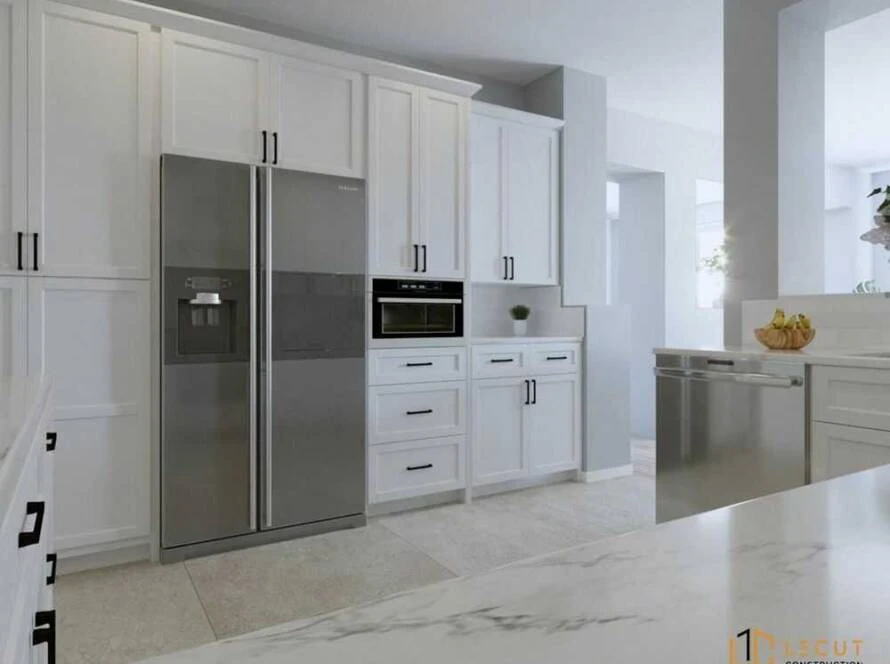

The Great Bay Area Remodeling Adventure: Your Blueprint for Sanity (and a Stunning Home)
Let’s be honest, friends. The idea of a home remodel in Silicon Valley is a cocktail of excitement and pure, unadulterated terror. We dream of that open-concept kitchen, the spa-like bathroom, the extra room that doesn’t double as a home office/gym/storage unit. Then we think about the dust, the decisions, the delays, and the dreaded budget talk. It’s enough to make anyone want to abandon ship before it even leaves the dock. But what if we told you it doesn’t have to be a horror story?
We’ve been in your shoes, and now we’re on the other side of the tool belt. At Lecut Construction in San Jose, we’ve navigated more remodeling adventures in Santa Clara, Campbell, and Saratoga than we can count. We’re here to have a real talk about turning your “what if” into “wow,” without losing your mind or your life savings.
So, You’ve Decided to Remodel. Now What?
First, take a deep breath. This is a marathon, not a sprint. The single biggest piece of advice we can give you? Get your mindset right from the start. A remodel is a process, and like any good software launch (hey, we’re in Silicon Valley, after all), it needs a solid plan and a great team.
Ever found yourself typing “best remodeling company near me” at 2 AM, overwhelmed by options? You’re not alone. The search for a renovation contractor can feel like online dating—lots of profiles, but who’s the real deal?
Choosing Your Crew: The General Contractor Gambit
This is the most critical decision you’ll make. Your general contractor is your project’s CEO, therapist, and problem-solver all in one. You’re not just hiring labor; you’re hiring a manager for the most complex project your home will ever see.
So, how do you choose? Look beyond the shiny portfolios.
- Communication is King: Do they actually listen, or just wait for their turn to talk?
- Transparency on Tap: The cost and price structure should be clear, not a mystery box. A good contractor will help you understand where every dollar goes.
- Local Know-How: A team that knows the permit processes in Sunnyvale or the common foundation issues in Los Gatos is worth its weight in gold. That’s why a local San Jose-based firm like ours has an edge—we’ve been through it all right here.
A quick story: Early on, we had a client in Cupertino who was convinced they needed a full second story. After walking the property and understanding their real needs (more light, defined spaces), we suggested a strategic home additions plan that was less invasive, faster, and, FYI, significantly lower in cost. They got the functional space they needed without the massive upheaval. Sometimes, the best solution isn’t the most obvious one.
The Budget Talk: Making Peace with the Price Tag
Let’s address the elephant in the room. Talking about money isn’t fun, but avoiding it is a recipe for disaster. A full home remodel is a different financial beast than hiring a bathroom remodeler for a cosmetic update.
Here’s a brutally honest truth: unexpected issues will arise. A quality contractor builds a contingency into your budget for this very reason. The goal is to manage surprises, not be blindsided by them. Think of it as an abortable plan—not that we want to abort, but having clear milestones and financial checkpoints means everyone stays aligned, and you maintain control.
To give you a clearer picture, let’s break down where your investment typically goes in a major renovation. This isn’t a quote, but a general framework to understand the allocation.
| Budget Category | Typical Allocation | What It Covers | Pro Tip from the Field |
|---|---|---|---|
| Design & Planning | 10-15% | Architectural drawings, engineering, permits, project management. | Don’t skimp here. A solid plan saves thousands in change orders later. |
| Materials & Finishes | 35-50% | Lumber, concrete, windows, cabinets, countertops, flooring, fixtures. | This is your biggest lever for controlling cost. Choices here range from standard to luxury. |
| Labor & Construction | 30-40% | The physical work: demolition, framing, electrical, plumbing, etc. | This is where experience pays off. Skilled labor works efficiently and solves problems on the fly. |
| Contingency Fund | 10-15% | The “oh-no” fund for hidden issues (old wiring, rot, foundation surprises). | If you don’t use it all, it’s a happy-day bonus. But you must have it. |
Defining Your Scope: What Does “Remodel” Even Mean?
The word “remodel” gets thrown around a lot. Being specific helps everyone, especially when you’re getting estimates. Here’s how we see the spectrum of home remodeling services:
- Targeted Updates: Hiring a specialist like a bathroom remodeler or tackling exterior remodeling (new siding, windows, roofing). Perfect for boosting curb appeal or updating a single tired space.
- General Remodeling: This is the middle ground. Maybe you’re redoing the kitchen and a couple of bathrooms, or reconfiguring your main floor. It’s multi-room but not the whole house.
- Full Home Remodel / Whole-House Renovation: A top-to-bottom transformation. Often involves structural changes, major system updates (electrical, plumbing, HVAC), and a new layout. This is where a seasoned house remodeling contractor is non-negotiable.
- Home Additions: Adding square footage, whether it’s a bump-out, a second story, or an ADU. This intersects heavily with zoning laws in places like Milpitas or Morgan Hill.
Knowing which camp you’re in will immediately clarify your search and set realistic expectations.
Why Local Knowledge Isn’t Just a Buzzword
Working with a San Jose general contractor who knows the South Bay isn’t a minor detail. Building codes can have nuances from one city to the next. We know the planning departments in Campbell and Fremont. We understand the soil conditions in Saratoga and the style preferences in Los Gatos. This local expertise prevents silly delays and helps us recommend materials and solutions that work for our specific climate and communities. It’s one less thing for you to worry about.
Your Survival Kit for the Remodeling Journey
Okay, you’ve picked your team and set the plan. How do you live through this? A few hard-won tips:
- Create a Sanctuary: Keep one room (usually a bedroom) completely off-limits to the chaos. Your mental health will thank you.
- Embrace the Dust: It’s happening. No, really. Superior containment helps, but accept that a fine layer of “remodel glitter” will be part of your life for a bit.
- Communication is a Two-Way Street: Have weekly check-ins with your project lead. No question is too small. A missed detail week one becomes a costly fix week eight.
The Lecut Construction Difference: More Than Just Building
We know you have options. From Sunnyvale to Santa Clara, there are plenty of contractors. What we offer is a partnership. We view your project through a dual lens: as craftsmen who take pride in the details, and as project managers who respect your time, budget, and sanity. We’re not just building rooms; we’re building the backdrop for your life in Silicon Valley. If that’s the approach you’re looking for, we should talk.
Remodeling FAQs: The Stuff You’re Secretly Wondering
Let’s tackle some of the most common questions we get.
1. How long will my remodel actually take?
Honestly? Longer than the best-case scenario you’re hoping for. A bathroom might be 4-6 weeks. A major general remodeling project can be 4-6 months. A full home remodel can easily span 6-12 months. Weather, material delays (still a thing, IMO), and those unexpected “surprises” in your walls all play a part. A good timeline includes buffer for these realities.
2. Should I move out during the remodel?
For a single bathroom or kitchen remodel, you can often tough it out. For a full home remodel or major home additions, moving out is usually worth the cost for your peace of mind. We can help you weigh the pros and cons based on your specific project’s intensity.
3. How do we handle decisions and changes?
We have a formal process for change orders. It documents the change, the revised price, and the impact on the schedule before any work is done. This keeps everyone protected and prevents “while you’re here…” scope creep from derailing the project.
4. How do you ensure the project stays on budget?
Transparency from day one. We provide detailed estimates, not vague guesses. We track all costs meticulously and communicate with you regularly. That contingency fund we talked about? That’s our main tool for handling unknowns without coming to you for more money every other week.
The Final Nail: Wrapping It All Up
At the end of the day, a successful remodel is about trust. It’s about partnering with a team that sees your vision and has the skill and integrity to bring it to life. It’s about enjoying the process as much as the final result.
So, if you’re in San Jose, Cupertino, Fremont, or anywhere in the South Bay and you’re dreaming of a change, let’s have a real conversation. Forget the scary stories and the generic searches for “home remodeling services near me.” Come talk to a local team that gets it. Reach out to Lecut Construction—let’s build something amazing, together. Your dream home, and your sanity, are waiting 🙂
Related Articles
People Also Ask
The cost to remodel a bathroom in San Jose typically ranges from $15,000 to $40,000 or more, depending on the project's scope and material choices. A basic cosmetic update with new fixtures, paint, and flooring may start around $10,000-$15,000. A mid-range renovation involving new tile, a standard shower, and vanity can cost $25,000-$35,000. High-end projects with custom cabinetry, luxury materials, and layout changes often exceed $50,000. Key cost factors include the size of the bathroom, quality of materials, labor, plumbing/electrical updates, and permit fees. For a detailed breakdown and professional estimate tailored to your specific home, we recommend consulting our internal article titled San Jose Construction & Remodeling Company | Lecut Construction.
The 30% rule in remodeling is a budgeting guideline suggesting that homeowners should not spend more than 30% of their home's current market value on a major renovation project. This rule helps prevent over-improvement, where the cost of the remodel significantly exceeds the value it adds to the property, making it difficult to recoup the investment upon sale. For example, on a $500,000 home, the recommended maximum remodel budget would be $150,000. This is a general benchmark; critical factors like the project's scope, local real estate trends, and your long-term plans for the home should also guide your final budget. Exceeding this percentage can be justified for essential repairs or if you plan to stay in the home for many years.
A realistic budget for a bathroom remodel varies widely based on scope and finishes. For a modest cosmetic update with new fixtures, paint, and flooring, homeowners might spend between $5,000 and $15,000. A mid-range remodel involving layout changes, standard cabinetry, and mid-tier materials typically ranges from $20,000 to $35,000. A high-end, custom master bathroom with luxury materials, custom cabinetry, and structural changes can easily exceed $50,000. It is crucial to allocate 10-20% of your total budget for unexpected issues, such as plumbing or structural repairs discovered during demolition. For a detailed breakdown of costs and planning considerations, refer to our internal guide on Bathroom Remodeling. Always obtain multiple quotes from licensed contractors.
The most expensive part of a bathroom remodel is typically the labor and installation of plumbing and tiling. Moving plumbing fixtures like the toilet, shower, or sink requires skilled, licensed professionals and can involve opening walls and floors, which significantly increases costs. Similarly, high-quality tile work, especially for showers and floors, is labor-intensive and demands precision. While fixtures like freestanding tubs or custom vanities have high price tags, the skilled labor to integrate them properly is the greater investment. For a luxurious upgrade that adds value, consider installing radiant heating, which we detail in our internal article Heated Floors: The Ultimate Luxury For Your Bathroom. This system, while an upfront cost, provides exceptional comfort and can be a wise long-term investment.
The true cost of a bathroom remodel in San Jose typically ranges from $250 to $600 per square foot, with high-end projects exceeding $800 per square foot. This wide variance is due to San Jose's high labor costs, strict building codes, and premium material prices. A basic cosmetic update might fall at the lower end, while a full-scale, high-end renovation with custom tile, plumbing reconfiguration, and luxury fixtures will command the highest rates. Key cost drivers include the extent of plumbing and electrical work, quality of finishes, and whether the project requires permits and structural changes. It is crucial to budget an additional 15-20% for unforeseen issues, which are common in older Bay Area homes.
The cost to remodel a 5x10 bathroom typically ranges from $10,000 to $25,000, with a national average around $15,000. This is a mid-range project for a standard full bathroom. Key cost factors include the quality of materials and the extent of the work. A basic cosmetic update with new fixtures, paint, and flooring may fall at the lower end. A full gut renovation involving moving plumbing, installing custom cabinetry, premium tile, and luxury fixtures can push costs toward the higher range or beyond. Labor, including licensed plumbers and electricians, often constitutes 40-60% of the total budget. Always obtain multiple detailed quotes from licensed contractors and factor in a 10-20% contingency for unexpected issues.
The labor cost for a 5x7 bathroom remodel typically ranges from $3,000 to $7,000, though this can vary significantly based on location, project complexity, and contractor rates. This cost generally covers demolition, plumbing and electrical rough-ins, installation of new fixtures, tiling, drywall, and painting. High-end finishes or structural changes will increase labor expenses. It is crucial to obtain multiple detailed quotes from licensed contractors, ensuring they include all labor components and a clear timeline. Always verify that the contractor carries proper insurance and workers' compensation to protect against liability. Labor typically constitutes 40-60% of the total remodel budget.