

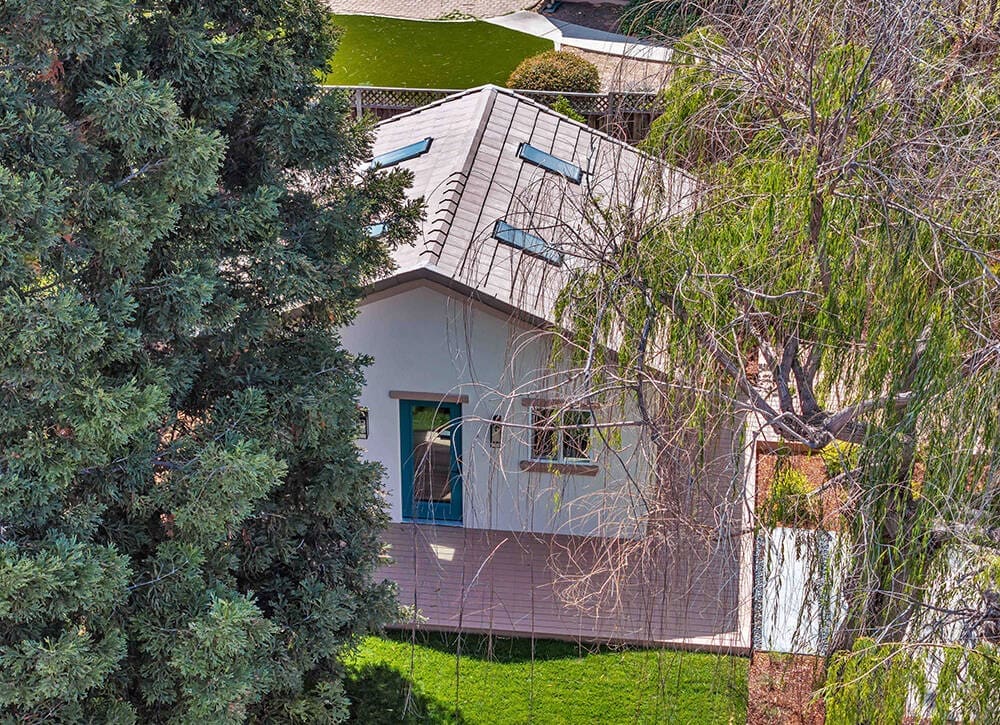

Experienced team creating clean finishes and delivering steady updates.


I recently found myself locked out of my house late at night, and it was a terrible experience. I called an emergency locksmith, and a technician came to my location in an incredibly short period of time, less than 20 minutes. He was very professional and polite. He quickly unlocked me into my house without causing any damage. The service was excellent, and the charges were reasonable for the emergency.


In San Jose getting a reliable and trustable home remodeler can be daunting task, but not when you have Lecut Construction.
They had a plan for the remodel and they implemented it in a professional manner.
Related Articles
People Also Ask
Landscape and hardscape are two key components of outdoor design. Landscape refers to the living, soft elements of an environment, including plants, trees, grass, soil, and garden features. It involves horticulture and focuses on organic growth and seasonal change. Hardscape encompasses the non-living, structural elements built from hard materials like stone, concrete, brick, wood, and metal. This includes patios, walkways, retaining walls, decks, and driveways. While landscaping provides aesthetic beauty and environmental benefits, hardscaping defines the structure, functionality, and flow of an outdoor space. A successful design harmoniously integrates both, using hardscape to create frames and foundations, and softscape to add life, color, and texture.
The average cost of hardscaping varies widely based on project scope, materials, and labor, typically ranging from $2,000 to $30,000 or more. For a basic patio installation, homeowners might spend between $15 to $50 per square foot. High-end materials like natural stone or intricate designs can push costs to $75+ per square foot. Factors influencing price include site preparation, drainage solutions, material selection, and regional labor rates. It is crucial to obtain multiple detailed quotes from licensed contractors. A well-planned hardscape adds significant value and functionality to a property, but investing in quality materials and professional installation ensures long-term durability and satisfaction.
Hardscape, softscape, and landscape are interrelated terms in construction and design. Landscape is the overarching term, referring to the total outdoor environment and the art of modifying it. It encompasses both hardscape and softscape. Hardscape refers to all the non-living, solid elements like patios, walkways, retaining walls, decks, and driveways, typically constructed from materials such as concrete, stone, brick, or wood. Softscape comprises the living, horticultural elements, including plants, trees, shrubs, flowers, and soil. In professional practice, a successful landscape design harmoniously integrates both: the hardscape provides structure and function, while the softscape adds beauty, softness, and ecological benefits. Balancing these elements is key to creating a cohesive, usable, and sustainable outdoor space.
When considering the most affordable hardscape options, gravel and crushed stone are typically the lowest in upfront material cost. These materials require minimal processing and are widely available. For basic pathways or driveways, a compacted gravel base is a functional and economical choice. However, it is crucial to factor in long-term maintenance, as gravel can shift and require periodic replenishment. Other cost-effective materials include concrete pavers for smaller areas or recycled materials like broken concrete. The final cost is heavily influenced by site preparation, labor, and regional material prices, so obtaining multiple local quotes is essential for an accurate budget.
Hardscaping involves the non-living elements of landscape design, such as patios, walkways, and retaining walls. Common examples include paved patios using materials like flagstone or concrete pavers, which create durable outdoor living spaces. Decorative walkways and garden paths guide movement and define areas. Retaining walls, made from stone, brick, or timber, manage soil erosion and create level planting areas. Other key examples are driveways, outdoor kitchens, fire pits, water features like fountains, and architectural elements such as pergolas and arbors. These features add structure, functionality, and year-round interest to a property, increasing its usability and aesthetic value when designed and installed professionally.
Hardscape and softscape are the two main components of landscape design. Hardscape refers to the non-living, solid elements of an outdoor space. This includes features like patios, walkways, retaining walls, decks, and pergolas, typically constructed from materials such as concrete, stone, brick, or wood. Softscape encompasses all the living, horticultural elements. This includes plants, trees, shrubs, flowers, and lawn grass. A successful landscape design requires a thoughtful balance between the two. The hardscape provides the permanent structure, functionality, and defined spaces, while the softscape adds color, texture, seasonal change, and softens the hard lines of construction. Proper integration ensures both aesthetic appeal and practical usability for years to come.
Hardscape refers to the non-living, solid elements incorporated into landscape design and construction. This includes features like patios, walkways, retaining walls, driveways, and decks made from materials such as concrete, brick, stone, pavers, and wood. In construction, hardscaping is crucial for defining spaces, managing drainage, preventing erosion, and providing functional areas for recreation and circulation. It forms the permanent, structural backbone of an outdoor environment, contrasting with softscape (plants, soil, and lawns). Proper installation requires careful planning for foundation, grading, and material selection to ensure durability, safety, and compliance with local building codes and drainage regulations.