The Great Home Remodeling Adventure: Your Blueprint for Sanity (and a Stunning Home)
Let’s be honest, friends. The idea of a home remodel is equal parts thrilling and terrifying. We’ve all been there, scrolling through gorgeous “after” photos online, dreaming of that perfect kitchen flow or a spa-like bathroom, only to be hit by the avalanche of real-world questions. How do we even start? Who can we trust? And, the big one—what’s this magical, mysterious cost going to be? If you’re in San Jose or anywhere across Silicon Valley, from Sunnyvale to Morgan Hill, you’re in the right place. We’re going to walk through this together, like neighbors chatting over a fence.
Think of this as your friendly guide, free of corporate jargon, on how to navigate turning your house into your home without losing your mind or your life savings.
Phase One: The Dream vs. The Plan (Where Things Get Real)
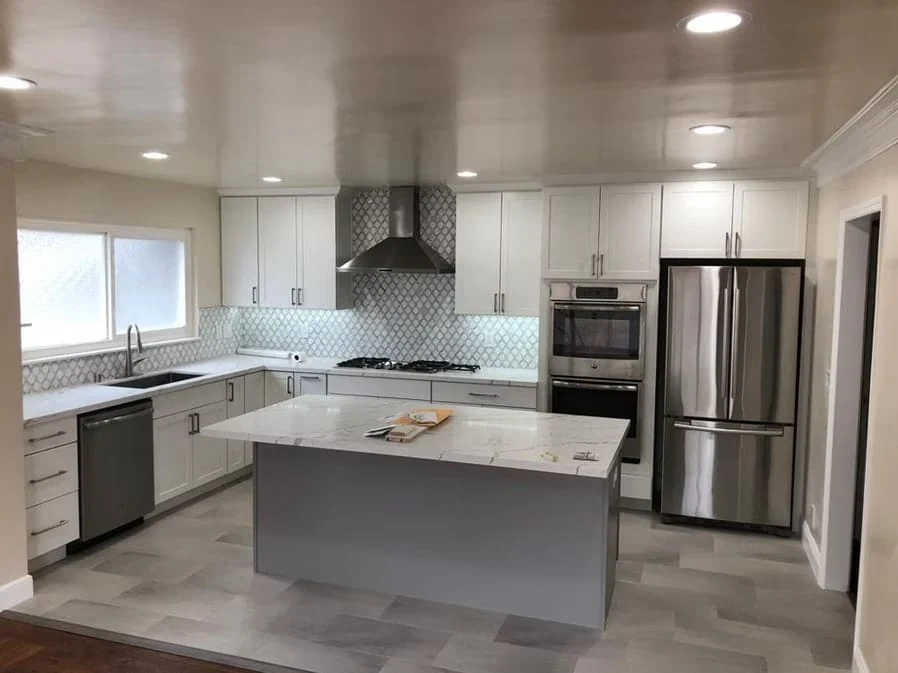
We all start in the land of pure inspiration. Pinterest boards are bursting, saved Instagram reels are piling up. It’s a beautiful, chaotic mess. But here’s the first reality check: not every dream fits our existing floorplan or, let’s be real, our budget. This is where the shift from “wouldn’t it be cool” to “here’s what we can actually do” happens.
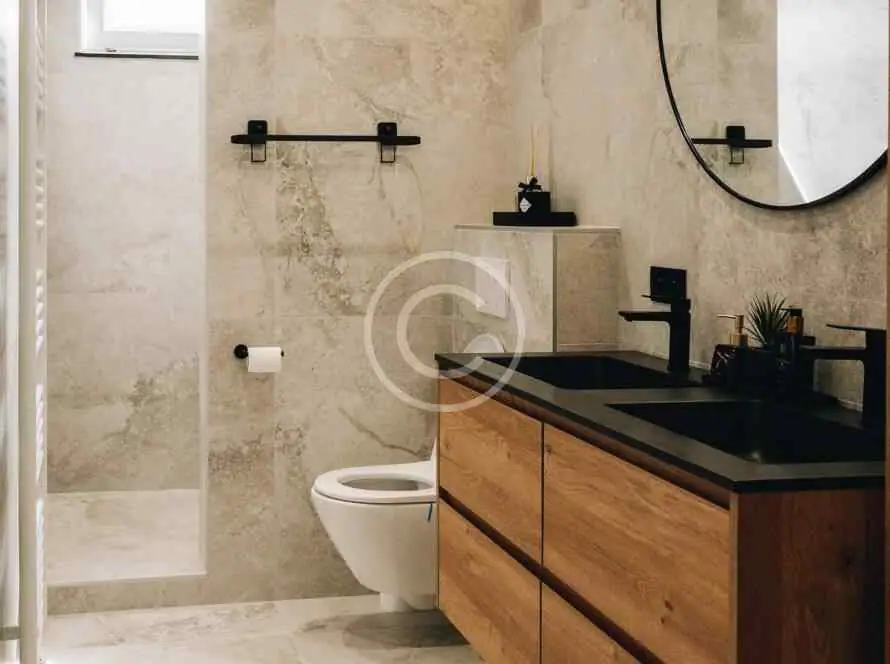
The single most powerful thing you can do at this stage? Define your “why.” Are we doing a full home remodel to accommodate a growing family? Is it a targeted bathroom remodeler mission to finally ditch that 90s pink tile? Or are we looking at home additions to gain a home office? Knowing the core goal makes every subsequent decision easier.
A crucial tip from our playbook: Always, always have a contingency plan. In our world, we consider any project plan abortable up to a certain point. What does that mean? It means having clear milestones where you can pause, reassess finances or design choices, and proceed with confidence—or make a conscious decision to change course without massive sunk costs. A good renovation contractor will build this flexibility into your planning.
Finding Your Remodeling Partner: It’s Not Just a “Near Me” Search
Okay, you’ve got a rough vision. Now you need the team to build it. Typing “best remodeling company near me” is a logical first step, but it’s just the opening move. The general contractor or house remodeling contractor you choose becomes a temporary part of your family. You want to feel comfortable with them, trust their advice, and believe they’ll protect your investment.
So, what should you look for? Beyond the obvious licenses and insurance, look for a partner who listens more than they talk. Do they understand your lifestyle needs? When we at Lecut Construction sit down with folks in Campbell or Saratoga, we’re not just measuring square footage; we’re learning how you live in your home. That’s how you get a result that’s not just beautiful, but functional.
Here’s a quick comparison table we often wish more homeowners saw before they start getting bids:
| The Tempting “Low-Bid” Contractor | The Value-Driven Professional Partner |
|---|---|
| Often gives a vague, bottom-line price to get the job. | Provides a detailed, transparent scope and cost breakdown. |
| Might subcontract all work, with less direct oversight. | Employs a core crew and manages specialized subs directly. |
| Communication can be spotty or only during problems. | Establishes a clear communication protocol (apps, weekly updates). |
| Timeline is a hopeful estimate. | Works with a phased project schedule and tracks progress. |
| The plan is rigid; changes are costly and chaotic. | Builds in flexibility, treating the plan as a living guide. |
See the difference? One is a transaction; the other is a partnership. IMO, that partnership is what turns a stressful process into a genuinely exciting adventure.
The Budget Talk: Demystifying the “Cost” Monster
Let’s tackle the elephant in the room. We need to talk numbers, and we’re going to do it without fear. The cost of general remodeling isn’t a secret club handshake. It’s a combination of materials, labor, scope, and, significantly, your location. Silicon Valley home remodeling services operate in a unique market with specific permit requirements, labor standards, and material access.
A bathroom remodel in Los Gatos will have a different financial landscape than one in Fremont based on the existing home’s age, plumbing, and local regulations. A good contractor won’t just throw a number at you. They’ll help you understand the value behind it. Are we investing in longevity with a 50-year roofing system? Are we choosing finishes that boost resale value in Cupertino?
FYI, a true professional will also help you navigate the “splurge vs. save” decisions. Splurge on the things that are hard to change later (plumbing, electrical, layout). You can be more flexible on things you can easily upgrade down the line (light fixtures, cabinet hardware). This is where their experience becomes pure gold.
Beyond the Interior: Don’t Forget Your Home’s “First Impression”
While kitchens and bathrooms often steal the spotlight, let’s not neglect the wrapper the house comes in. Exterior remodeling is one of the highest-return investments you can make. It’s not just about curb appeal (though, that’s a nice perk). It’s about protection and performance.
We’re talking about:
- Roofing: Keeping your family and your new interior dry.
- Siding & Windows: Boosting energy efficiency, which, let’s be honest, is a gift that keeps on giving with our utility bills.
- Outdoor Living Spaces: Effectively adding square footage of livable area. In climates like Santa Clara and Milpitas, a well-built deck or patio becomes a second living room for most of the year.
Handling exterior remodeling requires a different subset of skills and logistics than interior work. It’s a core reason why working with a full-service general contractor like us at Lecut Construction simplifies your life. We manage the symphony of trades, from foundation to finish, so you have one point of contact for everything. No juggling a roofer, a window guy, and a sider separately. That way lies madness 🙂
Your Remodeling FAQs, Answered Honestly
1. How long will my remodel actually take?
Longer than you hope, but shorter than your nightmares suggest. A simple bathroom might be 4-6 weeks. A major full home remodel could be 4-6 months. The key is the schedule. Your contractor should provide a detailed timeline upfront and update you weekly. Delays happen (weather, back-ordered tiles), but communication shouldn’t fail.
2. Should I move out during the project?
For a single-room remodel, you can often tough it out. For a whole-house project or a major home addition, moving out is usually worth the cost for your sanity and safety. We can help you plan for this and factor it into your overall project vision.
3. How do we handle decisions and changes?
Have a single decision-maker in your household to streamline communication. For changes, always get a written change order that details the adjustment in scope, cost, and timeline before the work proceeds. This protects everyone and avoids “he said, she said” at the end.
4. Why choose a local San Jose contractor like Lecut Construction over a big national chain?
Because we live here too. We know the permit processes in San Jose, Saratoga, and Sunnyvale inside and out. Our reputation is built on the homes in our community, not on national ad campaigns. We’re your neighbors, and we plan on being here to answer the phone if you ever have a question down the road. When you’re ready to transform your Silicon Valley house, give us a call—let’s build something amazing, together.
Wrapping It Up: Your Home, Your Story
At the end of the day, remodeling is about writing the next chapter of your story in the place you call home. It’s messy, it’s noisy, and yes, it’s a commitment. But with the right plan and the right partner—a team that treats your home with the same care they’d treat their own—it can also be one of the most rewarding journeys you’ll undertake.
So dream big, plan smart, and choose your crew wisely. Your future self, sipping coffee in that perfect new kitchen or relaxing in that pristine primary bath, will thank you for it. Now, who’s ready to get started?
People Also Ask
Glass block walls are not out of style but have evolved in their application. While the 1980s and 90s saw them used extensively in full walls, contemporary design uses them more strategically. They are valued for providing privacy, natural light diffusion, and a modern, textured aesthetic. Current trends often feature them in specific areas like shower enclosures, interior partitions, or as decorative accents in commercial spaces, blending functionality with an industrial or retro-modern vibe. Their durability and energy efficiency also contribute to lasting appeal. The key is thoughtful integration; used sparingly with clean lines and complementary materials, glass blocks remain a stylish and practical design choice.
Glass block walls, while aesthetically pleasing and offering privacy with light diffusion, come with several notable disadvantages. Their installation is complex and typically requires professional masons, leading to higher labor costs compared to standard drywall or windows. They are not structural and cannot bear loads, limiting their use. Repairs are difficult; if a single block cracks, it often requires dismantling a section of the wall. Furthermore, they provide poor insulation (low R-value) compared to insulated wall systems, potentially impacting energy efficiency. Their fixed nature also means they do not open for ventilation, and retrofitting them with wiring or plumbing is extremely challenging without compromising the wall's integrity.
The cost of glass block installation varies significantly based on project scope, block type, and labor. For a standard window or small wall, material costs typically range from $15 to $35 per block. Professional installation labor can add $75 to $150 per hour, with a full project often totaling between $1,000 and $3,500. Factors like custom block patterns, special finishes, complex curved installations, or structural reinforcement will increase the price. It is crucial to obtain detailed quotes from licensed contractors, as proper installation requires expertise in mortar setting and waterproofing to ensure a durable, long-lasting result that meets local building codes.
The lifespan of a glass block wall is exceptionally long, often exceeding 50 years with proper installation and maintenance. Unlike many building materials, glass blocks are non-porous, impervious to moisture, and highly resistant to corrosion, mold, and pests. Their structural integrity is not compromised by rot or rust. The primary factor determining longevity is the quality of the initial installation, particularly the mortar or silicone system used, which must accommodate thermal expansion. With only occasional cleaning required for maintenance, a well-constructed glass block wall is a permanent architectural feature. It will retain its aesthetic clarity and functional performance as a privacy screen, security barrier, and light source for the lifetime of the building itself.
Glass block shower walls offer a blend of privacy, durability, and diffused light. For a modern look, consider a full-height wall with clear blocks in a straight stack pattern, using a neutral grout color to create clean lines. A popular idea is a half-wall or knee-wall topped with glass block, which provides a solid base while keeping the upper area open. For texture, opt for patterned or frosted blocks. Ensure professional installation with proper waterproofing and a reinforced base. Glass block is low-maintenance, mold-resistant, and provides excellent insulation, making it a stylish and practical choice for contemporary or retro-inspired bathrooms.
Glass block walls are an excellent choice for shower enclosures, offering a blend of durability, privacy, and aesthetic appeal. They are constructed from thick, solid glass blocks, making them highly water-resistant and easy to maintain. This material provides natural light diffusion, brightening the bathroom while maintaining privacy without the need for curtains or frosted glass. For professional installation, it is crucial to ensure a proper waterproof membrane and use a specialized mortar system designed for wet areas. Glass block walls should be integrated with a solid, level base and proper framing to prevent movement and leaks, creating a timeless, spa-like feature that adds value to any bathroom.
Glass block masonry is a construction technique using translucent or transparent glass blocks to create walls, partitions, or windows. It offers a unique blend of structural integrity, aesthetic appeal, and functional benefits like diffused natural light and visual privacy. In professional practice, installation requires careful attention to detail. Blocks are typically laid in a mortar bed with reinforcement bars placed in the horizontal and vertical joints for stability, following engineered specifications. Key considerations include proper expansion joint placement to accommodate movement and selecting blocks with appropriate load-bearing ratings for the application. This system provides excellent thermal insulation and sound reduction when installed correctly, making it suitable for both interior and exterior applications in commercial and residential projects.
Glass block construction involves using translucent or transparent blocks made from thick glass to create walls, partitions, or windows. This method offers a unique blend of structural integrity, light transmission, and privacy. In professional practice, it is crucial to follow manufacturer specifications for mortar and reinforcement, as glass blocks are not load-bearing and require a flexible perimeter channel to accommodate movement. Proper installation ensures durability, excellent thermal insulation, and sound reduction. It is commonly used in bathrooms, basements, and commercial spaces where natural light is desired without compromising security or visual separation. Regular maintenance involves cleaning with non-abrasive products to preserve clarity.