

Destiny Aburto Meza January 19
Experienced team creating clean finishes and delivering steady updates.


Naomi Brooks January 19
I recently found myself locked out of my house late at night, and it was a terrible experience. I called an emergency locksmith, and a technician came to my location in an incredibly short period of time, less than 20 minutes. He was very professional and polite. He quickly unlocked me into my house without causing any damage. The service was excellent, and the charges were reasonable for the emergency.


Paul Merson December 31
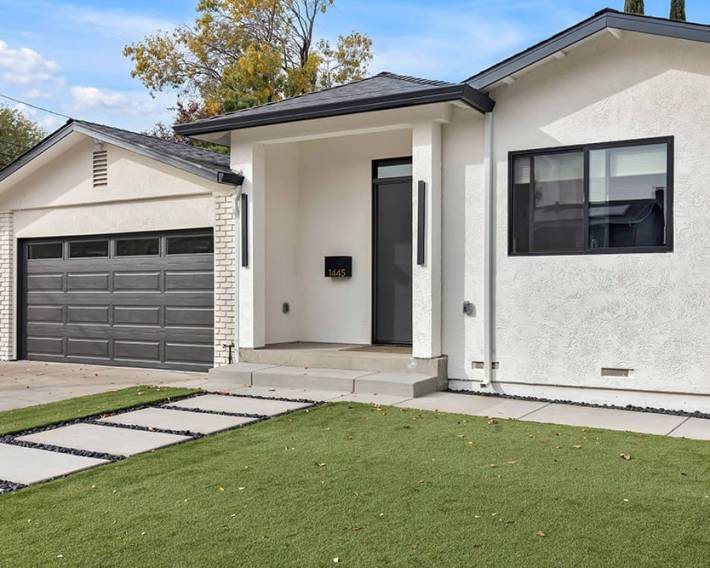
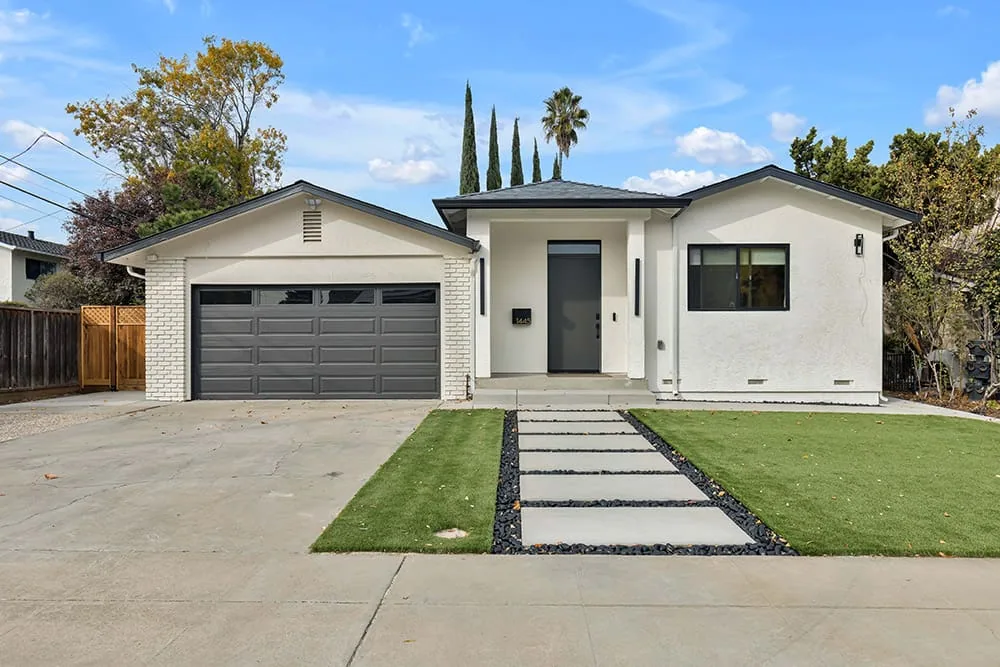
In San Jose getting a reliable and trustable home remodeler can be daunting task, but not when you have Lecut Construction.
They had a plan for the remodel and they implemented it in a professional manner.
Related Articles
San Jose Premier Construction & Remodeling Company | Lecut Construction
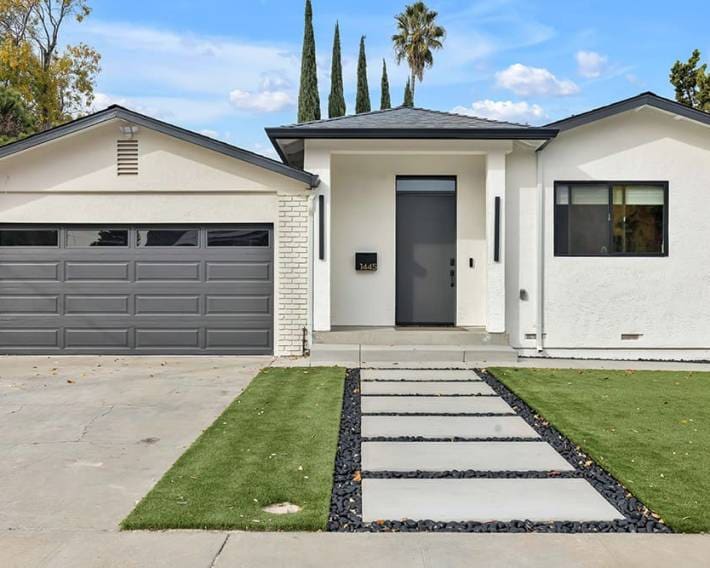
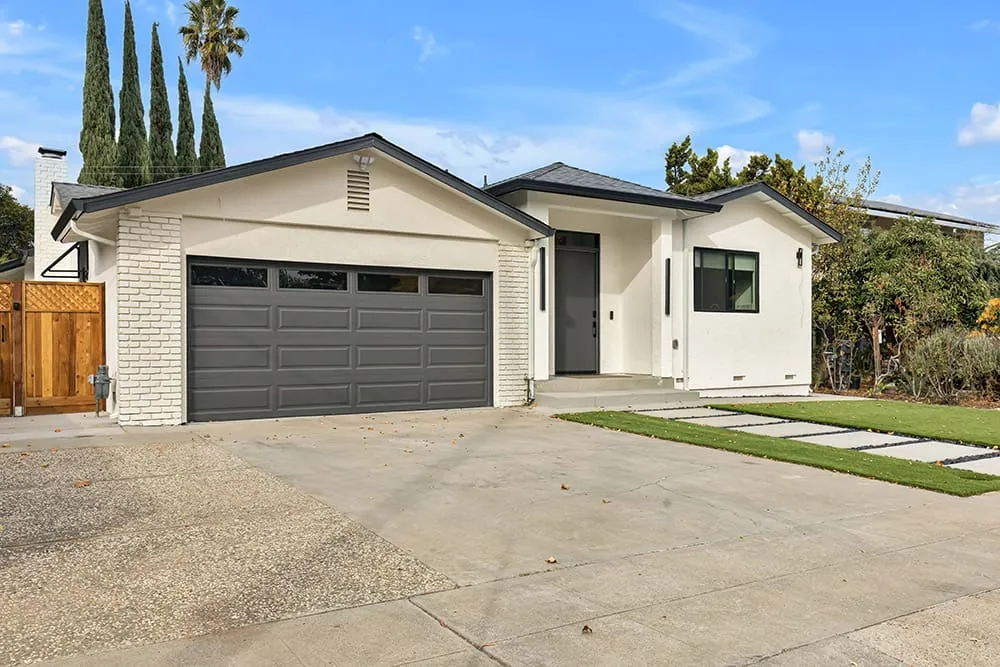
Exterior Remodeling Services in Coyote
The Art Of The Facelift: Exterior Remodeling Ideas
People Also Ask
The 30% rule in remodeling is a budgeting guideline suggesting that homeowners should not spend more than 30% of their home's current market value on a major renovation project. This rule helps maintain financial prudence, ensuring the investment is likely to be recouped upon resale and preventing over-improvement for the neighborhood. For example, on a $500,000 home, the recommended maximum remodel budget would be $150,000. It serves as a crucial initial checkpoint, though actual budgets must also factor in specific project scope, local construction costs, and personal financial health. Exceeding this percentage can risk not achieving a satisfactory return on investment, making it a foundational industry standard for planning.
The cost of an exterior renovation varies widely based on scope, materials, and location. A basic refresh with new paint and minor repairs might range from $5,000 to $15,000. A more comprehensive project involving new siding, windows, and roofing can easily cost between $20,000 and $75,000 or more. High-end materials like fiber cement siding, architectural shingles, and energy-efficient windows increase the budget. Key factors include the home's size, regional labor rates, and the condition of underlying structures. It is crucial to obtain multiple detailed quotes from licensed contractors and budget an additional 10-20% for unforeseen issues. A professional assessment provides the most accurate estimate for your specific project.
The adequacy of a $100,000 renovation budget depends heavily on the project's scope, location, and the home's condition. For a targeted, single-area update like a kitchen or bathroom overhaul, or refreshing flooring and paint throughout a modest-sized home, this budget can be sufficient and yield excellent results. However, for a full-scale, whole-house renovation involving structural changes, high-end finishes, or major system updates (electrical, plumbing, HVAC), $100,000 may fall short, especially in high-cost regions. Key to success is detailed planning, obtaining multiple contractor quotes, and allocating a contingency of 10-20% for unforeseen issues. Prioritizing needs over wants and considering phased renovations can help maximize the budget's impact.
The sufficiency of a $50,000 budget for a house renovation depends entirely on the project's scope, location, and goals. For a targeted, single-room remodel like a kitchen or bathroom, this budget can be adequate for mid-range finishes and professional labor. However, for a whole-house renovation, $50,000 will likely cover only essential updates, such as new flooring, paint, and basic fixture replacements, often requiring careful cost management and potentially some DIY work to stay within budget. It is crucial to obtain multiple detailed quotes, prioritize structural and mechanical systems over cosmetic changes, and always include a contingency of 10-20% for unforeseen issues. Comprehensive planning is key to maximizing the impact of this investment.