

Destiny Aburto Meza January 19
Experienced team creating clean finishes and delivering steady updates.


Naomi Brooks January 19
I recently found myself locked out of my house late at night, and it was a terrible experience. I called an emergency locksmith, and a technician came to my location in an incredibly short period of time, less than 20 minutes. He was very professional and polite. He quickly unlocked me into my house without causing any damage. The service was excellent, and the charges were reasonable for the emergency.


Paul Merson December 31
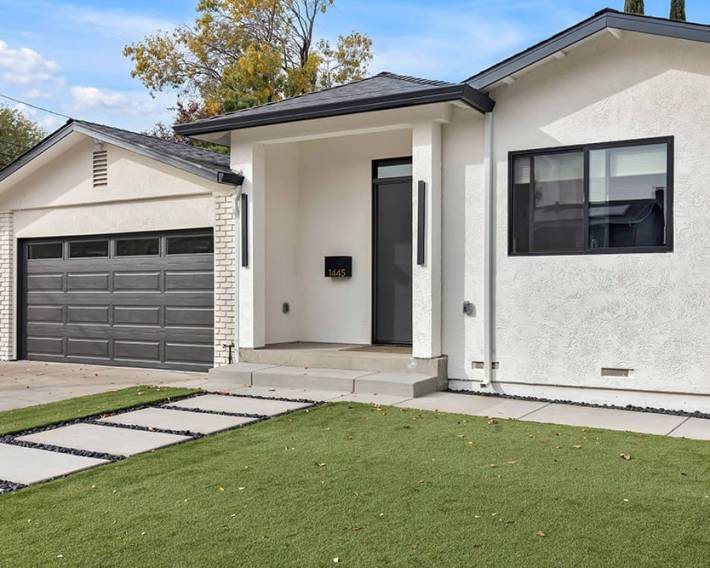
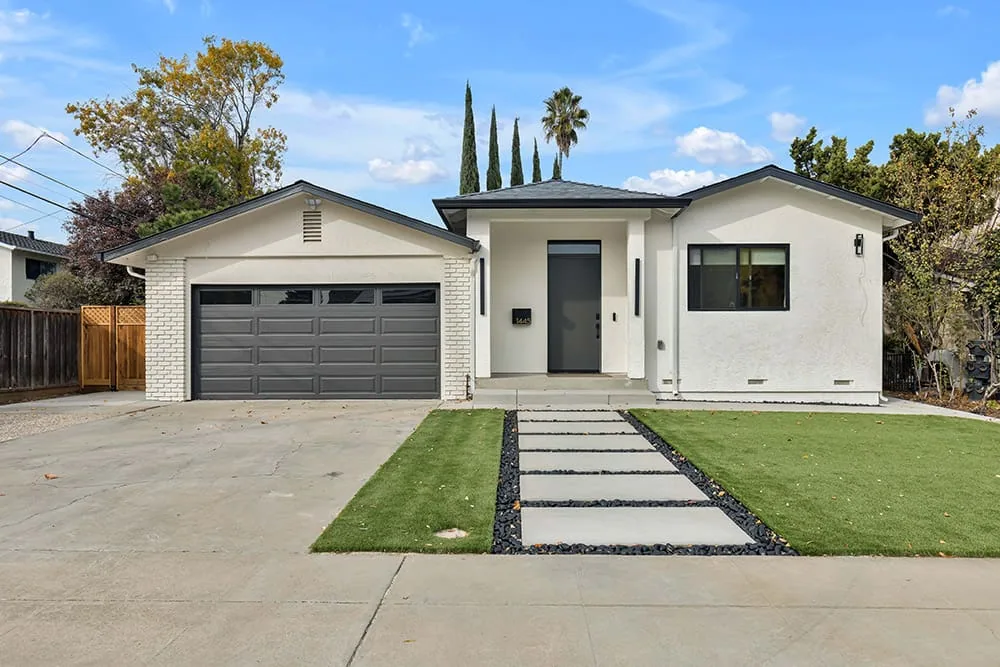
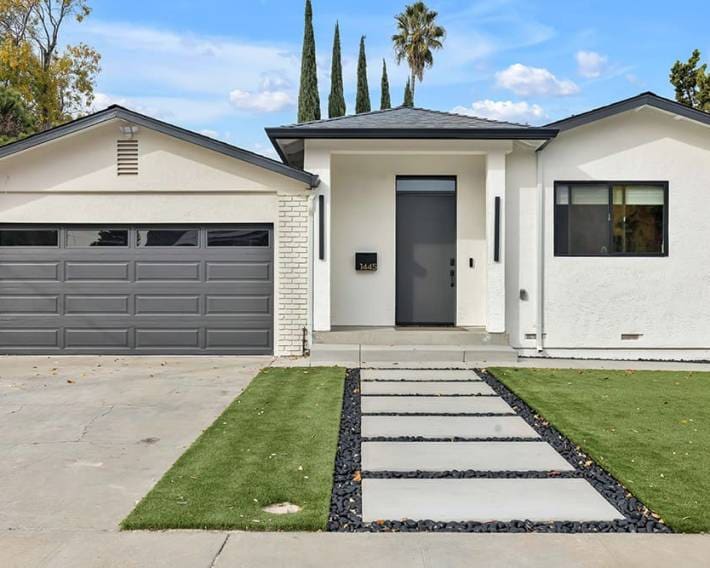
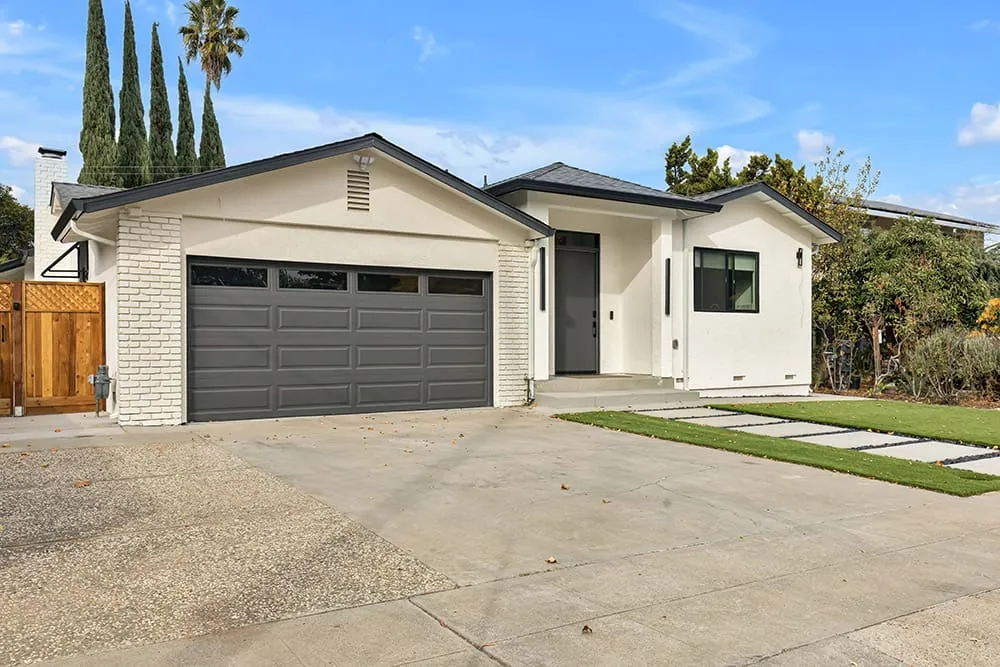
In San Jose getting a reliable and trustable home remodeler can be daunting task, but not when you have Lecut Construction.
They had a plan for the remodel and they implemented it in a professional manner.
Related Articles
People Also Ask
The 30% rule in remodeling is a widely used budgeting guideline that suggests homeowners should not spend more than 30% of their home's current market value on a major renovation project. This rule helps prevent over-improvement, where the cost of upgrades exceeds the potential increase in the home's resale value. For example, if a home is valued at $500,000, the recommended maximum renovation budget would be around $150,000. This is a conservative benchmark to ensure a reasonable return on investment and to maintain financial stability. However, it's a general rule of thumb; the ideal budget can vary based on the local real estate market, the specific scope of work, and how long the homeowner plans to stay in the property. Always consult with a professional contractor and real estate expert for a project-specific assessment.
When communicating with your contractor, avoid making statements that can undermine the project's success. Never say, "I don't have a budget," as this can lead to uncontrolled spending. Refrain from, "Just do what you think is best," without clear direction, as it invites scope creep and potential disagreements. Do not insist, "My friend said this is how it should be done," as it disrespects their professional expertise. Avoid frequent changes with, "Actually, I changed my mind," which causes delays and cost overruns. Criticizing their work with, "That looks cheap," is unproductive; instead, provide specific, constructive feedback. Always maintain a respectful, clear, and collaborative dialogue to ensure a smooth construction process.
The sufficiency of $100,000 for a house renovation depends heavily on the project's scope, location, and the home's size. For a targeted, high-impact update like a kitchen or bathroom remodel, or refreshing flooring and paint throughout a standard home, this budget can be very effective. However, for a full-gut renovation, a significant addition, or high-end finishes, $100,000 may fall short, especially in high-cost labor markets. The key is detailed planning. Obtain multiple, itemized quotes from licensed contractors, allocate a contingency of 10-20% for unforeseen issues, and prioritize structural and mechanical systems over purely cosmetic changes to ensure the investment adds lasting value.
The hourly rate for home remodelers varies widely based on location, project complexity, and expertise. On average, you can expect to pay between $50 and $150 per hour. For specialized trades like electrical or plumbing, rates may reach $200 per hour. Many contractors prefer to provide a fixed project quote rather than an hourly rate to account for materials, labor, and unforeseen issues. Always obtain detailed written estimates from multiple licensed and insured professionals. Ensure the contract clearly outlines payment schedules, scope of work, and change order procedures to avoid unexpected costs and ensure a smooth remodeling process.
Lecut Construction offers comprehensive exterior remodeling services tailored to the Coyote region, focusing on durability and aesthetic enhancement suited to the local climate. Key services include siding replacement with materials like fiber-cement or engineered wood for superior weather resistance, roof repairs and full replacements using high-quality asphalt shingles or metal options, and window and door upgrades to improve energy efficiency. We also specialize in deck and patio construction, utilizing durable composites or pressure-treated lumber, and provide expert painting and staining with premium, long-lasting finishes. Our approach prioritizes professional project management, adherence to local building codes, and clear communication to ensure a seamless renovation that boosts curb appeal and property value.
Exterior remodeling services in Coyote, California, involve upgrading a home's outer structure and appearance, which can include siding replacement, roofing, window installations, deck building, and landscape hardscaping. Local contractors typically assess factors like the area's climate, which can be warm and dry, to recommend durable, energy-efficient materials. Costs vary widely based on project scope, material choices, and labor rates. For instance, a full siding replacement might range from $10,000 to $25,000, while a new deck could cost $5,000 to $15,000. It is crucial to hire licensed, insured professionals who understand local building codes and permits. Obtaining multiple detailed estimates ensures competitive pricing and clarity on project timelines and warranties.