

Destiny Aburto Meza January 19
Experienced team creating clean finishes and delivering steady updates.


Naomi Brooks January 19
I recently found myself locked out of my house late at night, and it was a terrible experience. I called an emergency locksmith, and a technician came to my location in an incredibly short period of time, less than 20 minutes. He was very professional and polite. He quickly unlocked me into my house without causing any damage. The service was excellent, and the charges were reasonable for the emergency.


Paul Merson December 31
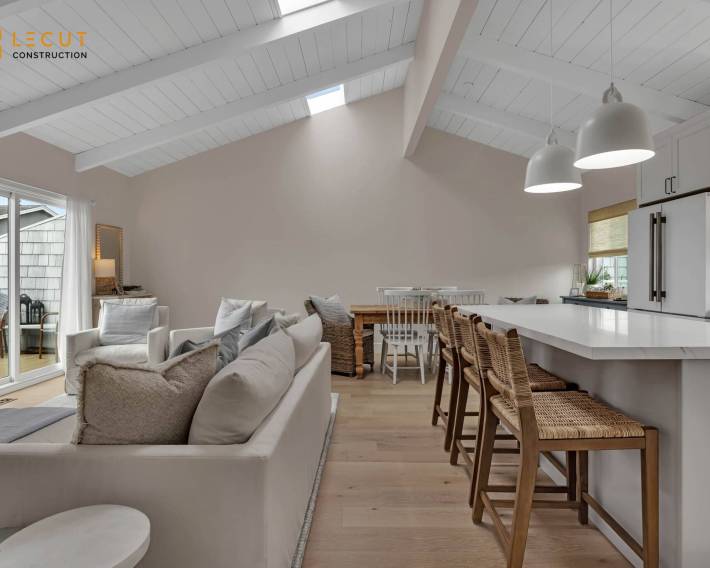
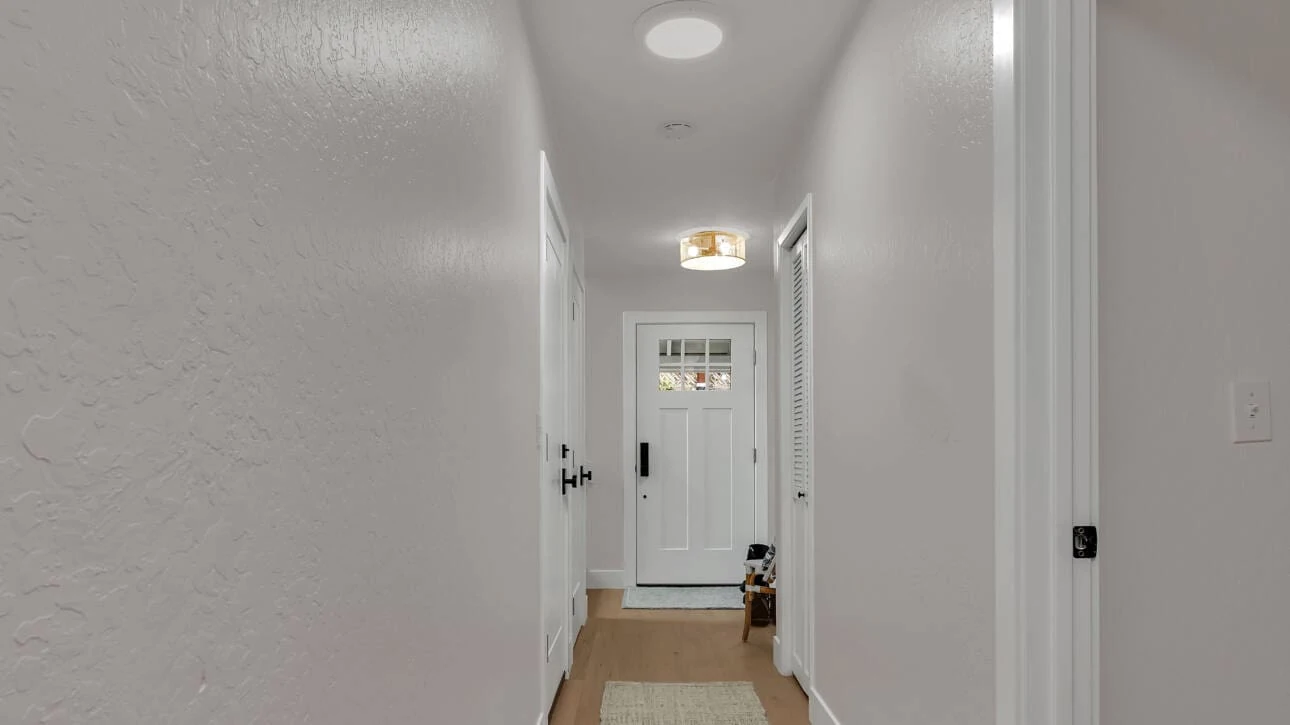
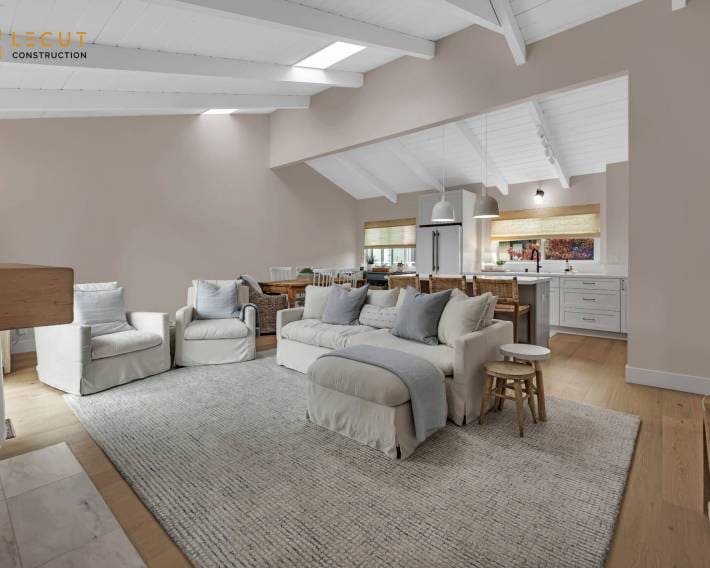
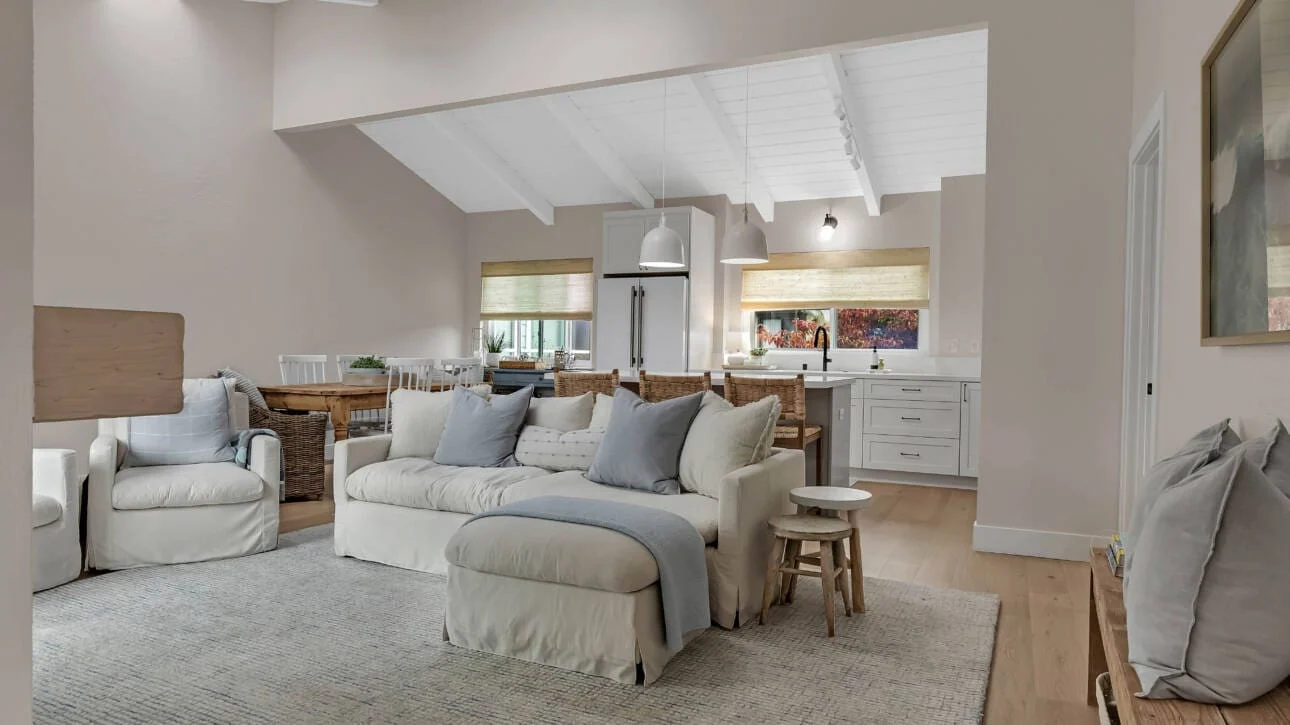
In San Jose getting a reliable and trustable home remodeler can be daunting task, but not when you have Lecut Construction.
They had a plan for the remodel and they implemented it in a professional manner.
People Also Ask
The cheapest option for an ADU is typically a prefabricated or modular unit. These are constructed off-site in a controlled factory environment, which significantly reduces material waste, labor costs, and construction time compared to traditional stick-built additions. A basic, compact studio model without complex plumbing or high-end finishes offers the most budget-friendly entry point. Key to controlling costs is minimizing site work, such as complex foundation requirements or extensive utility hookups. It is crucial to research local zoning and permit fees, as these can vary widely and become a major expense. Always obtain multiple quotes and ensure any prefab company has experience with your municipality's ADU regulations.
The cost of an Accessory Dwelling Unit (ADU) in New Jersey varies widely based on size, design, and construction method. A basic prefabricated or converted garage unit might start around $100,000 to $150,000. A new, custom-built detached ADU typically ranges from $200,000 to $400,000 or more. Key cost factors include foundation work, utility connections (sewer, water, electric), interior finishes, and permit fees, which can be significant in NJ municipalities. It is crucial to account for site-specific challenges like lot size, zoning setbacks, and potential need for upgraded septic systems. Always obtain multiple detailed quotes from licensed contractors familiar with local ADU ordinances and building codes.
The cost comparison between building an accessory dwelling unit (ADU) on-site versus buying a prefabricated model is nuanced. Site-built ADUs often have higher initial costs due to custom labor, materials, and potential site preparation challenges, but they can offer greater design flexibility and potentially higher property value integration. Prefab ADUs, constructed in a factory, typically offer faster installation and more predictable upfront pricing by controlling labor and material waste. However, they may have limitations in design customization and require significant costs for foundation work, utility hookups, and transportation. The cheaper option depends heavily on your location, site conditions, local permit fees, and specific design goals. A detailed cost analysis from local contractors and prefab companies is essential for an accurate comparison.
One drawback of an Accessory Dwelling Unit (ADU) is the significant upfront cost and complex financing. Constructing a new ADU involves expenses for design, permits, materials, and labor, which can be a substantial financial hurdle for many homeowners. Unlike primary home mortgages, securing financing specifically for an ADU can be more challenging, with fewer loan products available. This initial investment requires careful financial planning. Additionally, the return on investment, while often positive through rental income or increased property value, is not immediate and depends heavily on local real estate markets and rental demand. This financial barrier can deter homeowners from pursuing ADU projects despite their long-term benefits.