

Destiny Aburto Meza
January 19
Experienced team creating clean finishes and delivering steady updates.


Naomi Brooks
January 19
I recently found myself locked out of my house late at night, and it was a terrible experience. I called an emergency locksmith, and a technician came to my location in an incredibly short period of time, less than 20 minutes. He was very professional and polite. He quickly unlocked me into my house without causing any damage. The service was excellent, and the charges were reasonable for the emergency.


Paul Merson
December 31
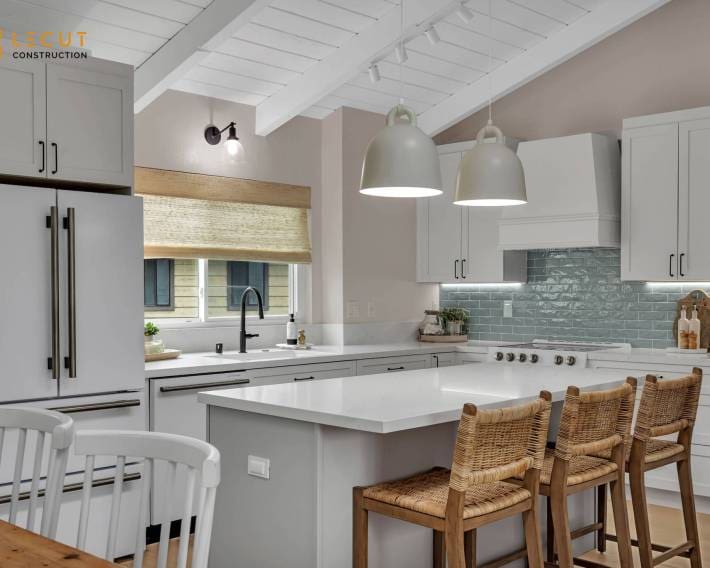
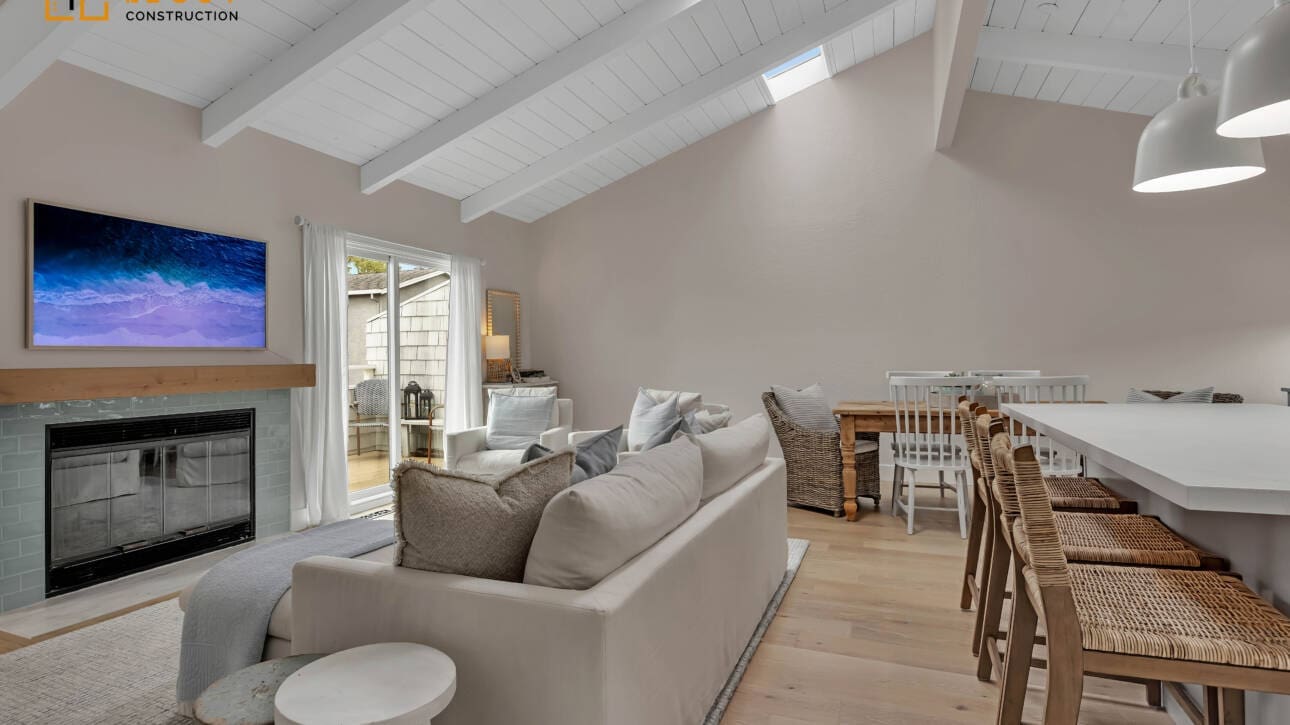
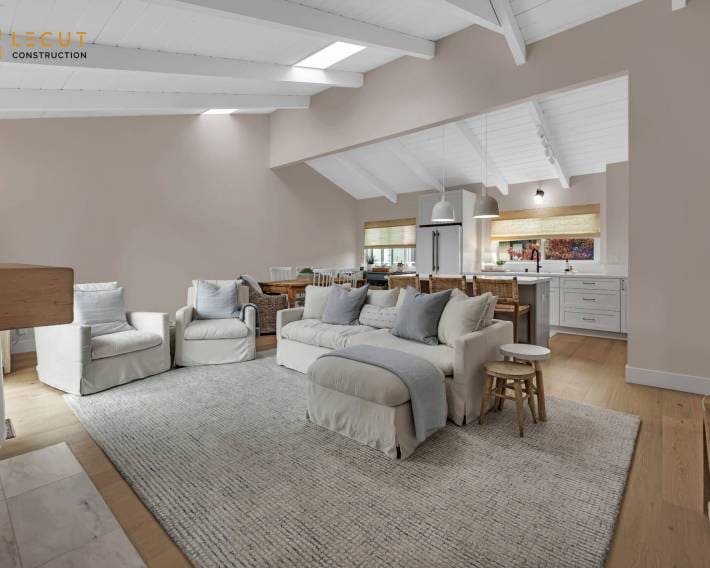
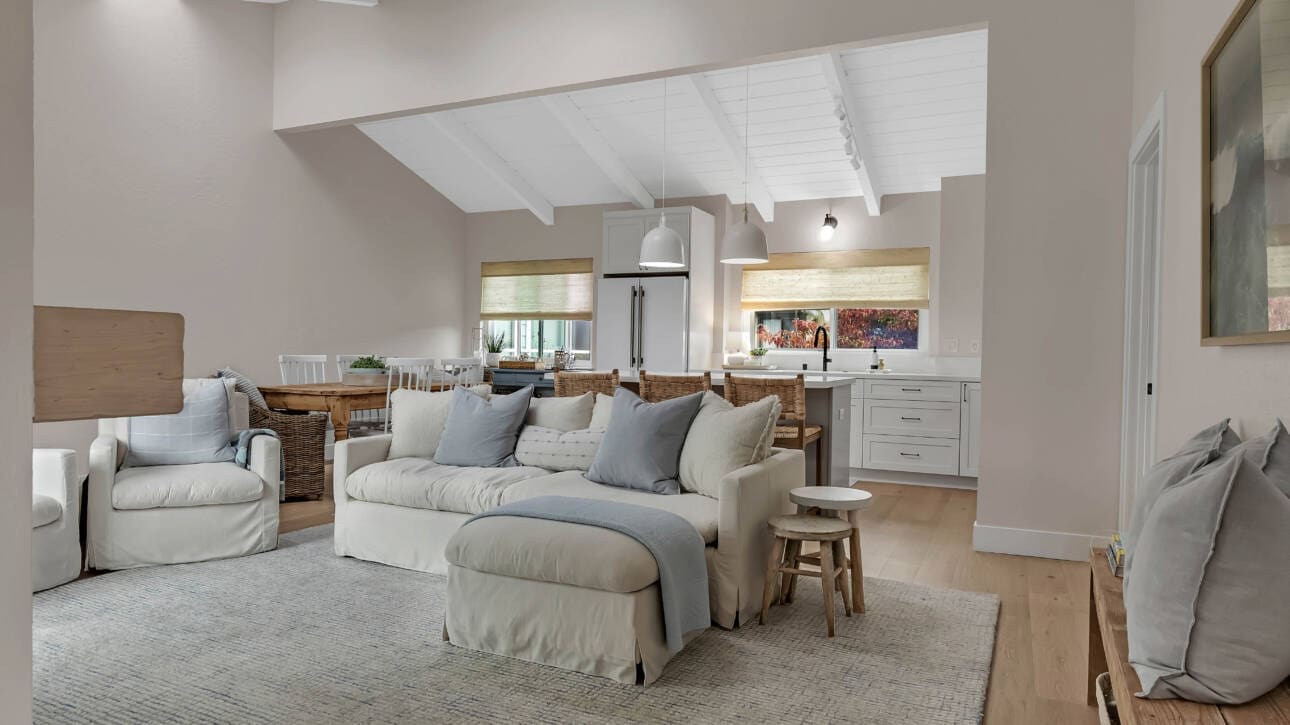
In San Jose getting a reliable and trustable home remodeler can be daunting task, but not when you have Lecut Construction.
They had a plan for the remodel and they implemented it in a professional manner.
People Also Ask
The most cost-effective ADU option is typically a prefabricated or modular unit, which can be 10-30% cheaper than traditional site-built construction due to factory efficiency and reduced labor time. Another affordable route is converting an existing structure like a garage, basement, or detached shed, as it utilizes an existing foundation and shell. To minimize costs, keep the design simple and compact, often under 500 square feet, and use standard, readily available materials. It is crucial to work with a contractor experienced in ADUs to navigate local zoning and building codes efficiently, as unexpected permitting or foundation issues can quickly escalate a budget. Always get multiple detailed quotes and ensure all costs, including utility connections and site work, are included.
The $40,000 grant in California typically refers to the CalHFA ADU Grant Program. This initiative provides forgivable loans of up to $40,000 to qualified homeowners to cover pre-development costs associated with building an Accessory Dwelling Unit (ADU) or Junior ADU (JADU). Eligible costs include impact fees, planning and design expenses, soil tests, and permit applications. The loan is forgiven if the ADU is used as a low-income rental for at least five years. This program aims to increase affordable housing stock and help homeowners offset high upfront costs. Applicants must meet income eligibility requirements, own and occupy the primary residence, and work with a participating lender. It's a significant financial tool to make ADU construction more accessible.
The cost comparison between building an ADU (Accessory Dwelling Unit) on-site versus buying a prefabricated unit depends heavily on project specifics. Generally, prefab ADUs can be cheaper and faster due to controlled factory construction, which reduces labor costs and material waste. However, site-built ADUs offer greater customization and may better integrate with an existing property's architecture, potentially increasing property value more significantly. Key cost factors for both include foundation work, utility connections, permits, and finishes. A prefab might have a lower base price, but total installed cost can be similar after site work. For an accurate budget, obtain detailed quotes for both options from licensed contractors and prefab manufacturers, accounting for all site-specific expenses.
One drawback of an Accessory Dwelling Unit (ADU) is the significant upfront cost and complex financing. Constructing a new ADU involves expenses for design, permits, materials, and labor, which can be a substantial financial hurdle for many homeowners. Unlike primary home mortgages, securing financing specifically for an ADU can be more challenging, with fewer loan products available. This initial investment requires careful financial planning. Additionally, the return on investment, while often positive through rental income or increased property value, is not immediate and depends heavily on local real estate markets and rental demand. The process also involves navigating zoning laws and building codes, which can add time and expense before construction even begins.
Building a detached Accessory Dwelling Unit (ADU) in Morgan Hill, California, involves navigating specific local and state regulations. Key services include professional site planning, architectural design, and securing permits from the City of Morgan Hill's Planning Division. Builders must comply with California's state ADU laws, which generally limit local restrictions on size, parking, and setbacks, but local zoning and design review still apply. Essential services also encompass utility connections for water, sewer, and power, which may require upgrades. Hiring a licensed contractor experienced in Morgan Hill's requirements is crucial for navigating the process efficiently, ensuring the structure meets all building codes, and maximizing the property's value and rental potential.
The cost of detached ADU (Accessory Dwelling Unit) services in Morgan Hill varies based on project scope, size, and specifications. For a basic detached ADU, construction costs typically range from $200,000 to $400,000 or more. This range includes foundational work, framing, roofing, plumbing, electrical, and interior finishes. Key cost factors are the unit's square footage, site accessibility, utility connections, and material selections. Additional expenses include permit fees, architectural design, and potential impact fees. It is crucial to obtain detailed quotes from licensed contractors who understand Morgan Hill's specific building codes and ADU regulations. A professional consultation will provide the most accurate estimate tailored to your property and design goals.