

Destiny Aburto Meza January 19
Experienced team creating clean finishes and delivering steady updates.


Naomi Brooks January 19
I recently found myself locked out of my house late at night, and it was a terrible experience. I called an emergency locksmith, and a technician came to my location in an incredibly short period of time, less than 20 minutes. He was very professional and polite. He quickly unlocked me into my house without causing any damage. The service was excellent, and the charges were reasonable for the emergency.


Paul Merson December 31
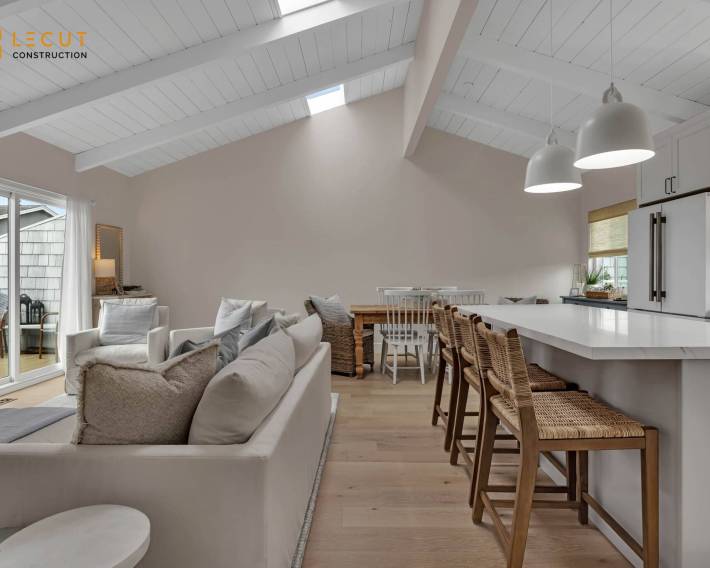
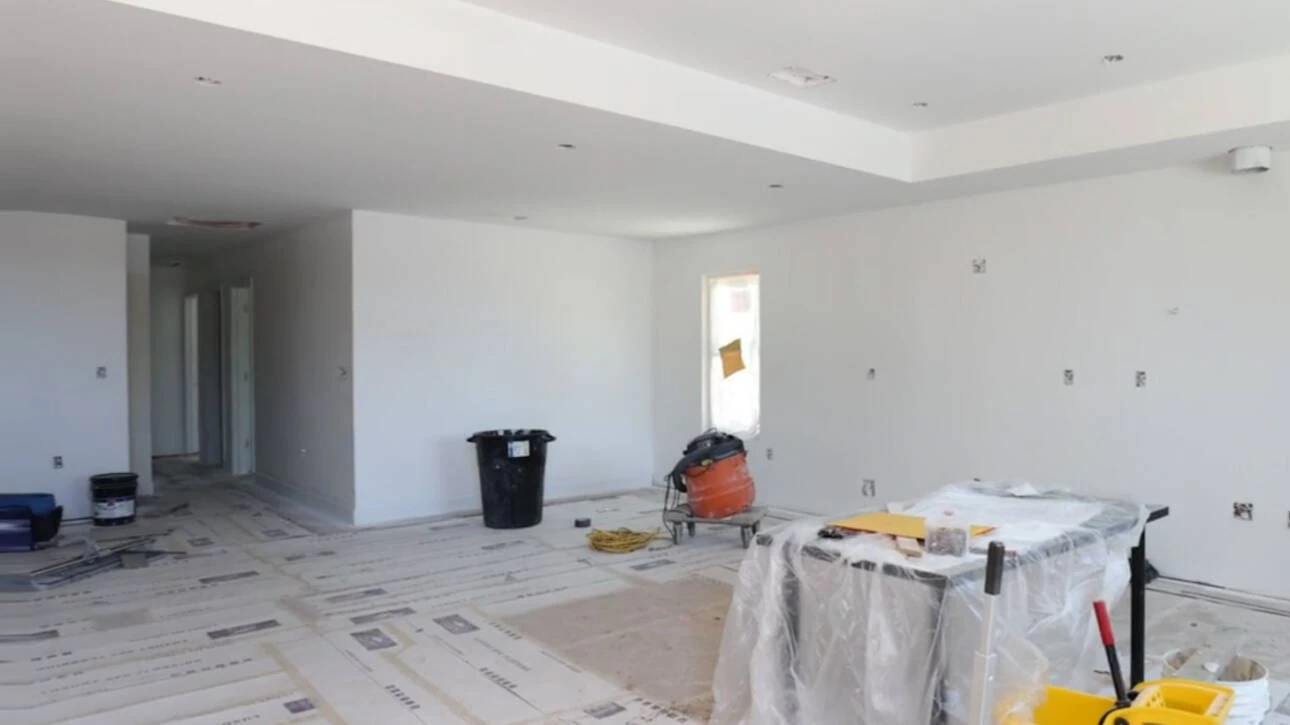
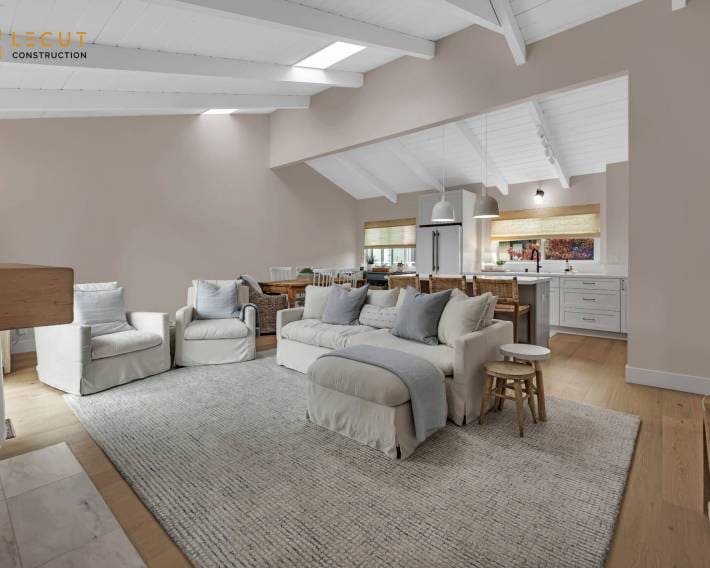
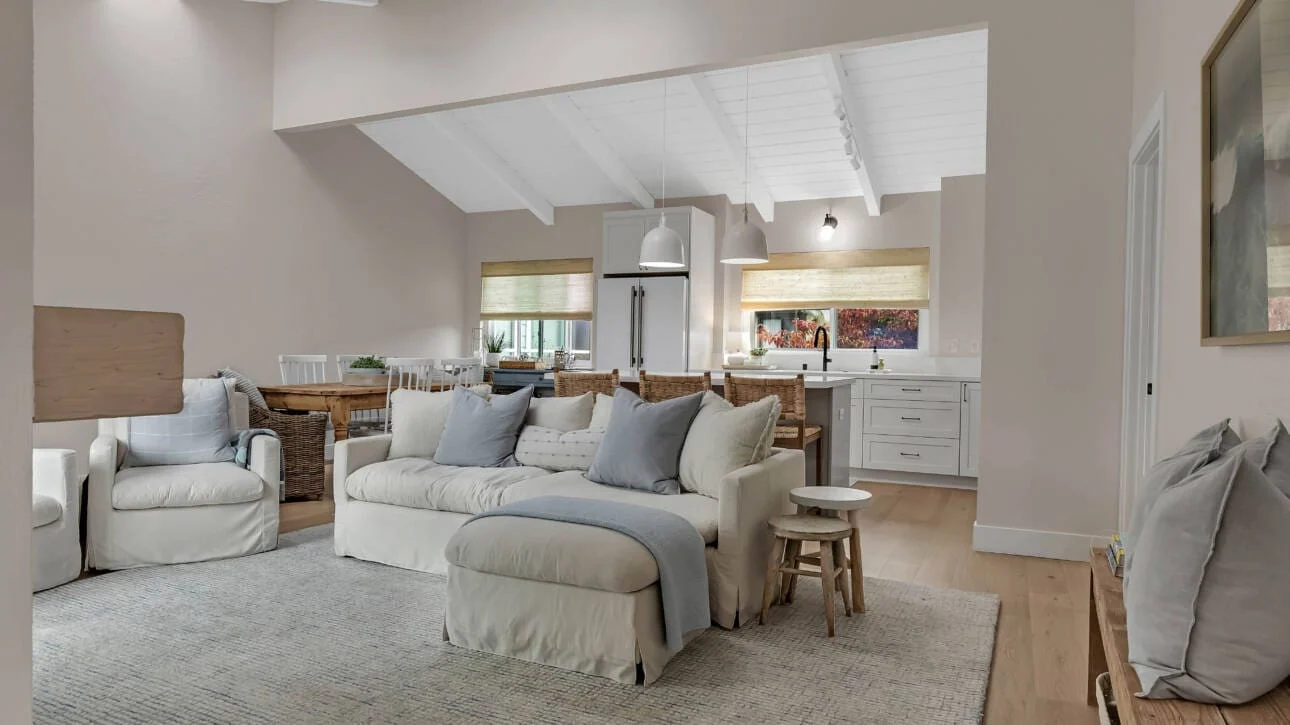
In San Jose getting a reliable and trustable home remodeler can be daunting task, but not when you have Lecut Construction.
They had a plan for the remodel and they implemented it in a professional manner.
People Also Ask
The cost comparison between adding on to your main house versus building a detached Accessory Dwelling Unit (ADU) is highly situational. Generally, a well-planned addition can be more cost-effective per square foot as it leverages existing walls, foundation, and utility connections. However, a detached ADU, while often having higher per-square-foot costs due to needing its own foundation and utilities, can offer greater long-term value through rental income and property resale appeal. The cheaper option ultimately depends on your property's layout, local zoning and permit costs, the scope of work for tying into existing home systems, and your specific goals for the space. A detailed feasibility study with a contractor is essential for an accurate comparison.
Building an accessory dwelling unit (ADU) involves navigating complex regulations, which leads to common mistakes. A major error is failing to secure proper permits from the local planning department, which can result in fines or being forced to demolish the structure. Homeowners often underestimate the total project cost, including utility connections, impact fees, and site preparation. Choosing the wrong location on the property that violates setback requirements is another frequent oversight. Many also neglect to consider the long-term maintenance needs and rental income potential, impacting the investment's return. Working with an experienced architect and contractor familiar with local ADU ordinances is crucial to avoid these costly pitfalls and ensure a compliant, valuable addition to your property.
An accessory dwelling unit (ADU) is also commonly known as a granny flat, in-law suite, backyard cottage, or secondary suite. These terms all refer to a smaller, independent residential unit located on the same lot as a primary single-family home. ADUs are a significant trend in residential construction, offering solutions for multi-generational living, rental income, and increasing housing density. They must comply with local zoning and building codes, which govern aspects like size, parking, and utility connections. For a comprehensive guide on planning and building these versatile structures, please refer to our detailed resource Accessory Dwelling Units (ADUs).
In California, an Accessory Dwelling Unit (ADU) is a secondary, independent living space on a single-family residential lot. It qualifies as an ADU if it includes permanent provisions for living, sleeping, eating, cooking, and sanitation. California law broadly defines three main types: detached units (a separate structure), attached units (connected to the primary home), and conversions of existing space like a garage. Key statewide standards include a minimum size of 150 square feet, adherence to building codes, and local zoning allowances. For homeowners, understanding these definitions is crucial for navigating permits and maximizing property utility. For a deeper look at standalone options, refer to our internal article Detached ADU.