

Destiny Aburto Meza January 19
Experienced team creating clean finishes and delivering steady updates.


Naomi Brooks January 19
I recently found myself locked out of my house late at night, and it was a terrible experience. I called an emergency locksmith, and a technician came to my location in an incredibly short period of time, less than 20 minutes. He was very professional and polite. He quickly unlocked me into my house without causing any damage. The service was excellent, and the charges were reasonable for the emergency.


Paul Merson December 31
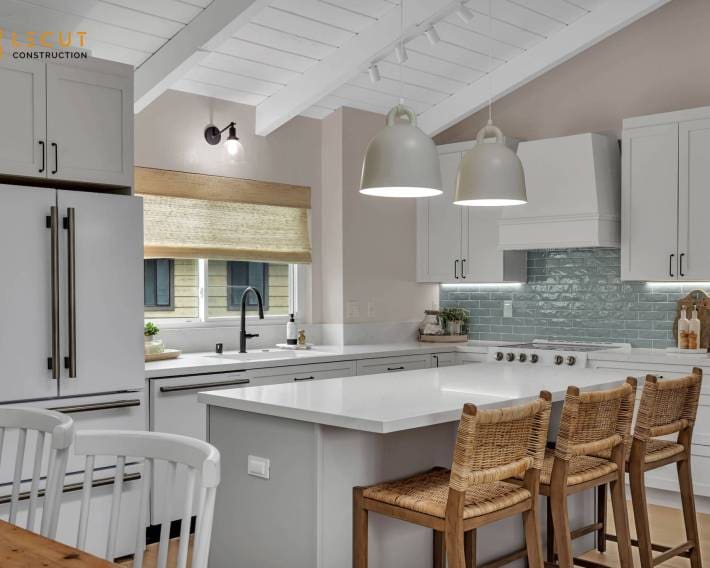
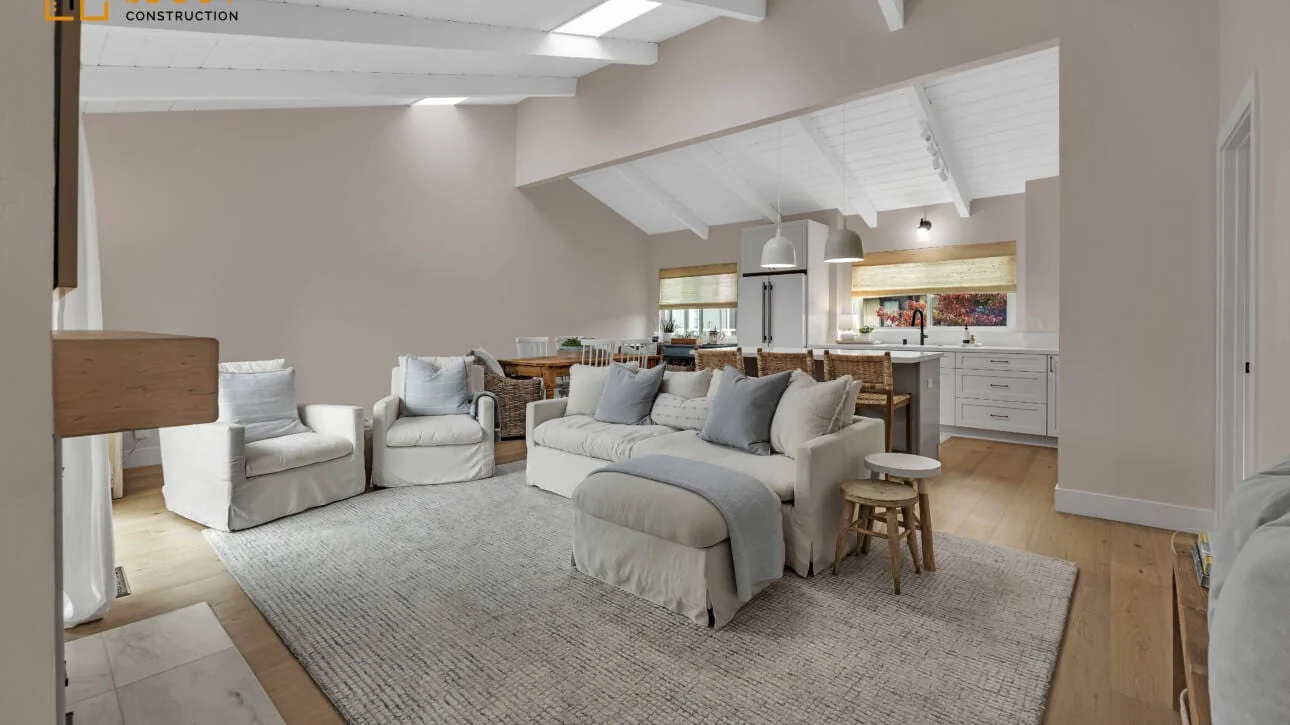
In San Jose getting a reliable and trustable home remodeler can be daunting task, but not when you have Lecut Construction.
They had a plan for the remodel and they implemented it in a professional manner.
People Also Ask
The $40,000 grant in California is primarily the CalHFA ADU Grant Program. It offers forgivable loans of up to $40,000 to cover pre-development and non-recurring closing costs associated with constructing an Accessory Dwelling Unit (ADU) or Junior ADU (JADU) on an owner-occupied property. The funds can be used for critical expenses like planning, design, permitting, soil tests, impact fees, and utility connections. To qualify, homeowners must meet income limits, use the ADU as a rental for low- or moderate-income tenants for at least five years, and work with a participating lender. The loan is forgiven at 20% per year over five years, making it a powerful incentive to create more affordable housing.
The most cost-effective ADU option is typically a prefabricated or modular unit. These are factory-built to standard specifications, which reduces labor and material waste. Another affordable approach is converting an existing structure like a garage or basement, as it utilizes the existing foundation and shell. Careful planning and selecting simple designs without complex features also keep costs down. It is crucial to check local zoning laws and building codes first, as permit fees and requirements can significantly impact the overall budget. While aiming for low cost, never compromise on proper permits, structural integrity, or hiring licensed professionals for critical work.
The cost comparison between building an ADU (Accessory Dwelling Unit) and buying a prefab unit depends heavily on project specifics. Generally, a prefabricated ADU can be cheaper upfront due to controlled factory construction, which reduces labor time and material waste. However, site-built ADUs offer more customization and can sometimes achieve lower costs per square foot in areas with affordable labor, though they face risks of delays and budget overruns. Key factors include local permitting costs, site preparation expenses (like foundation and utility connections), and finish selections. A prefab might have a faster timeline, but total installed cost must include delivery, crane rental, and assembly. Thoroughly compare all-in quotes for both options in your region.
One drawback of an Accessory Dwelling Unit (ADU) is the significant upfront cost and complex financing. Constructing a new ADU involves expenses for design, permits, materials, and labor, which can be a substantial financial hurdle. Unlike primary home mortgages, securing a construction loan or HELOC for an ADU can be more challenging, with stricter lender requirements. This initial investment may not be immediately recoverable, and the return depends heavily on local rental markets or property value increases. Furthermore, navigating zoning laws, building codes, and permit processes adds time, potential delays, and additional soft costs, making the project daunting for some homeowners despite the long-term benefits.