

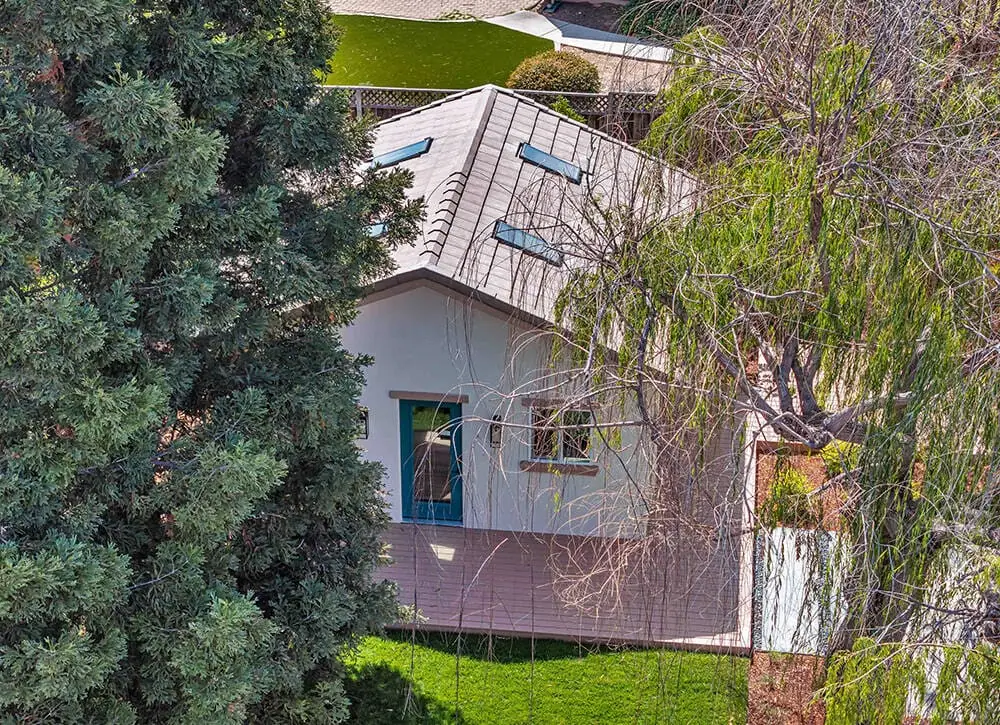

Experienced team creating clean finishes and delivering steady updates.


I recently found myself locked out of my house late at night, and it was a terrible experience. I called an emergency locksmith, and a technician came to my location in an incredibly short period of time, less than 20 minutes. He was very professional and polite. He quickly unlocked me into my house without causing any damage. The service was excellent, and the charges were reasonable for the emergency.


In San Jose getting a reliable and trustable home remodeler can be daunting task, but not when you have Lecut Construction.
They had a plan for the remodel and they implemented it in a professional manner.
Related Articles
Detached ADU Services in New Almaden
Detached ADU Services in Saratoga
Detached ADU Services in Coyote
People Also Ask
An ADU, or Accessory Dwelling Unit, is a secondary housing unit on a single-family residential lot. It is a self-contained living space with its own kitchen, bathroom, and sleeping area, separate from the primary home. ADUs are known by many names, including granny flats, in-law suites, or backyard cottages. They serve as a flexible housing solution, providing rental income for homeowners, affordable housing options, or space for extended family. Their construction is governed by local zoning and building codes, which dictate size, placement, and utility connections. For a detailed look at the design and construction process, including key considerations for attachment, refer to our internal article Attached ADU.
The cost comparison between attached and detached accessory dwelling units (ADUs) depends on several factors. Generally, an attached ADU can be cheaper to build than a detached one because it often utilizes an existing structure, like converting a garage or basement, which reduces foundation, roofing, and exterior wall expenses. However, detached ADUs might offer more design flexibility and avoid potential complications from modifying an existing home's systems. Key cost drivers include site conditions, local building codes, material choices, and utility connections. For accurate budgeting, consult with a professional contractor and review local regulations, as savings from an attached ADU can be offset by necessary upgrades to the main house.
In California, the maximum size for a detached Accessory Dwelling Unit (ADU) is primarily governed by state law, which generally allows for an ADU up to 1,200 square feet. However, local jurisdictions may have more restrictive ordinances, and the size can also be based on the size of the primary residence or the lot. For example, on a larger lot, a detached ADU may be allowed up to 800 square feet for a studio or one-bedroom, and up to 1,000 square feet for units with two or more bedrooms. It is crucial to consult with your local planning department for specific zoning rules. For a deeper dive into planning, design, and maximizing the potential of your project, be sure to read our internal resource, Maximizing Your Silicon Valley ADU: A Complete Guide.
In Massachusetts, accessory dwelling units (ADUs) are governed by state law and local zoning bylaws. The state's ADU law, enacted in 2021, mandates that all municipalities must allow ADUs "as of right" in single-family residential zones. This means a property owner cannot be denied a permit if the ADU complies with specific dimensional and safety standards. Key state provisions include that the ADU must be within or attached to the primary dwelling or in an existing accessory structure, the property owner must occupy one of the units, and municipalities cannot impose parking requirements for ADUs within half a mile of public transit. However, local bylaws can still regulate aspects like maximum size (capped at 900 sq. ft.), setbacks, and design standards, so checking with the local building and zoning department is essential.
The cost of a detached accessory dwelling unit (ADU) varies widely based on factors like size, materials, and location. On average, you can expect a range from approximately $100,000 to over $400,000. A basic, small prefabricated unit might start at the lower end, while a custom-built, fully-featured ADU with high-end finishes and full utilities will reach the higher figures. Key cost drivers include site preparation, foundation work, utility connections, permits, and interior finishes. It is crucial to obtain detailed quotes from licensed contractors and thoroughly research local zoning regulations and permit fees, as these can significantly impact the final budget and project feasibility.