The Great Bay Area Remodel: Your No-Stress Guide to Not Ruining Your House
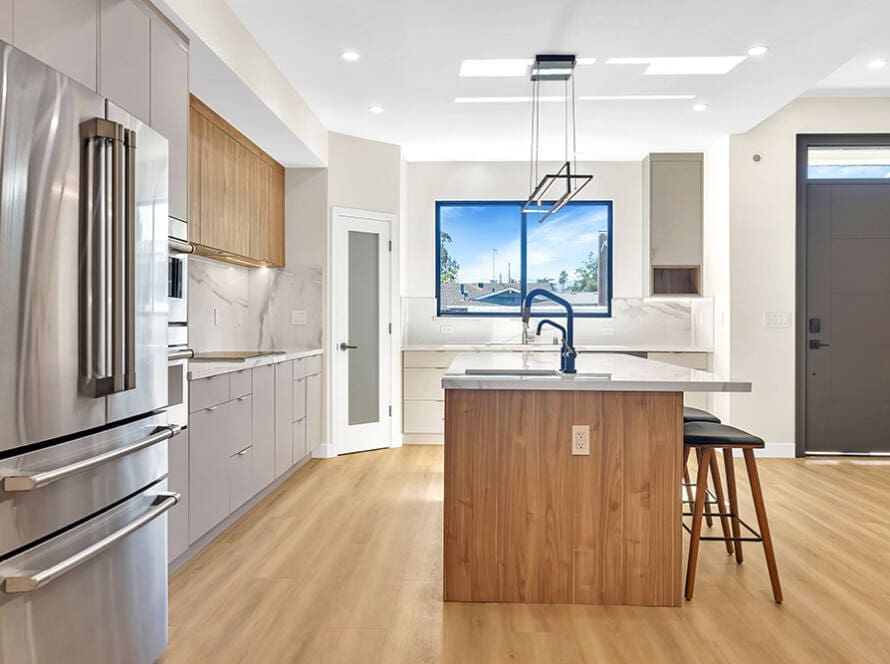
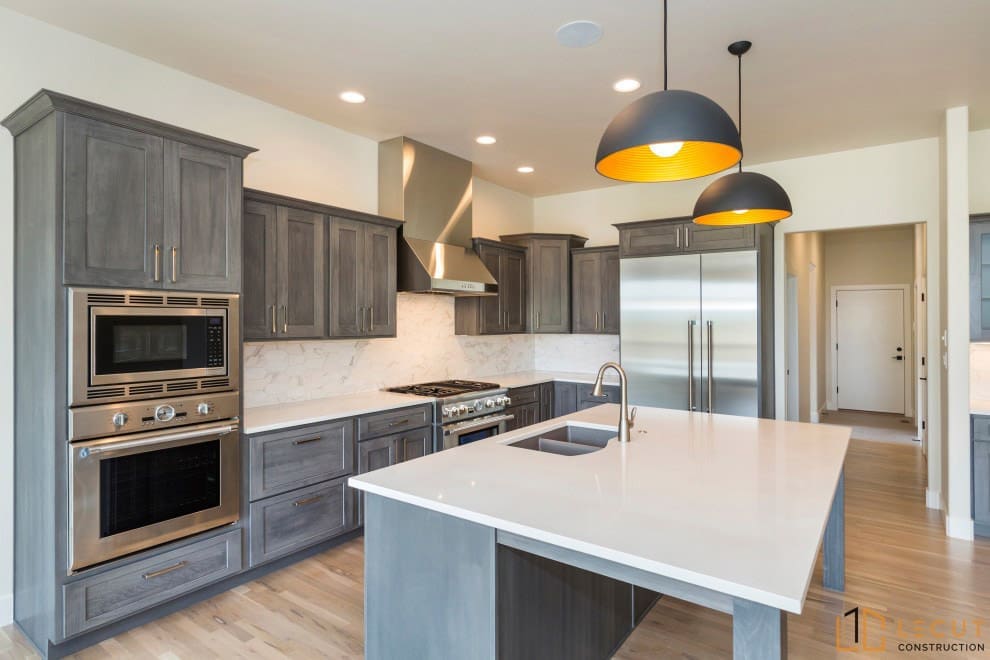
Let’s be honest. The idea of a home remodel in Silicon Valley is equal parts thrilling and terrifying. We’ve all been there, scrolling through flawless “after” photos online, dreaming of that perfect open-concept kitchen or spa-like bathroom. Then, reality hits. The sheer scale of it. The potential for chaos. The looming question of “how much will this actually cost?” and the even scarier one: “what if we need to… stop?” We get it. It’s a big deal. So, let’s talk it through, neighbor to neighbor, about how to navigate turning your house into your dream home without losing your mind (or your life savings).
First Things First: The “Why” Before the “Wow”
Before we even glance at paint swatches or tile samples, we need to have a real talk. What’s driving this project? Is it purely about resale value in competitive markets like San Jose, Cupertino, or Saratoga? Are you creating a forever-home to grow into? Or are you just desperately tired of that 1980s pink bathroom? Knowing your “why” is the compass for every single decision you’ll make, from budget to design. It helps you prioritize. A full home remodel for resale is a different beast than a personalized bathroom remodeler project just for your own joy.
The Budget Talk: Getting Real About “Cost” vs. “Price”
Okay, deep breath. This is the part everyone wants to skip, but we can’t. When we talk cost, we’re talking about the true total investment. The price from a renovation contractor is just the starting line. Here’s the insider secret: the magic number you settle on for the project? Add a 15-20% cushion. Trust us. We’ve seen everything from unexpected foundation issues in older Los Gatos homes to supply chain delays that affect material choices. That cushion isn’t for fancy upgrades; it’s your sanity fund. It’s what makes a project abortable in the worst-case scenario—not that you’d want to, but knowing you can pause or pivot without financial ruin is priceless peace of mind.
FYI, a clear, detailed contract is your best friend here. It should outline payment schedules, change order processes, and yes, termination clauses. Any reputable general contractor in Silicon Valley will be transparent about this.
Choosing Your Crew: It’s Not Just a Google Search for “Best Remodeling Company Near Me”
Searching “home remodeling services near me” will give you a million options. So how do you choose? Look beyond the shiny portfolio.
- Chemistry is Key: You’re letting these people into your life for months. You need to vibe with them. Do they listen, or just sell?
- Specialization Matters: A genius bathroom remodeler might not be the best pick for a complex home addition. Some firms, like us at Lecut Construction here in San Jose, are built for general remodeling—handling everything from exterior remodeling to intricate interior overhauls across Santa Clara County.
- The Proof is in the Paperwork: Licenses, insurance, warranties. Don’t just take their word for it. A true professional has this ready to go.
- Communication Style: How will you get updates? Weekly meetings? An app? A surprise every two weeks when you get home from work? Establish this before the first hammer swing.
The Phases of Mayhem (I Mean, Progress)
Let’s break down what you’re actually signing up for. A major remodel typically flows like this:
Phase 1: Design & Planning (The Calm Before the Storm)
This is where dreams meet reality. Architects and designers translate your vision into plans. Permits are secured (a huge step, especially in places like Campbell or Sunnyvale with specific codes). All materials are selected and ordered. Rushing this phase is the #1 cause of delays later. IMO, this is the most critical part of the entire process.
Phase 2: Demolition (The Cathartic Part)
Walls come down. Old fixtures are ripped out. It’s messy, loud, and weirdly satisfying. It also makes the project feel very, very real.
Phase 3: Rough-In Work (The Behind-the-Walls Magic)
This is where the skilled trades shine. Electricians, plumbers, and HVAC experts run all the new lines and systems. It looks like a spider web of wires and pipes, but it’s the literal guts of your new space.
Phase 4: Insulation, Drywall, & Surfaces (It Starts Looking Like a House Again)
Walls go up. Floors are laid. Tile is set. The transformation from construction zone to actual rooms happens breathtakingly fast here.
Phase 5: Finishes & Fixtures (The Personality)
Cabinet installation, painting, lighting, plumbing fixtures. This is where your style pops. It’s the fun part after a lot of waiting.
Phase 6: Final Walk-Through & Punch List
You and your house remodeling contractor go through every inch. That tiny paint drip? That outlet that’s a tiny bit loose? That’s what the punch list is for. A good contractor expects this and won’t rest until you’re thrilled.
The “Abortable” Plan & Managing the Unexpected
We mentioned this earlier, but it’s worth its own section. Life happens. A job change, a family emergency, a discovery of massive unforeseen structural issues (hello, old Milpitas foundations). A professional general remodeling company builds flexibility into the project plan. Key milestones become natural pause points. Having a clearly defined abortable strategy isn’t about being negative; it’s about being a responsible adult. It protects your investment and ensures that if you must stop, you can do so in a way that leaves your home secure and the work done to-date completed properly.
Local Flavor: What’s Different About Remodeling in Silicon Valley?
We’re not in Kansas anymore. Remodeling here in towns from Fremont to Morgan Hill has its own… character.
- The Lot Size Tango: Working on smaller, valuable lots means precise logistics. Where does the dumpster go? Where do trades park?
- Neighbor Relations: Close quarters mean being a good neighbor. A great contractor manages dust, noise, and schedule with your neighborhood in mind.
- Permitting Puzzles: Each city, from Saratoga to Sunnyvale, has its own rules and timelines. Experience navigating these local halls is a superpower you want your general contractor to have.
Why a Local Team Like Lecut Construction Makes All the Difference
This isn’t just a shameless plug, it’s a crucial point. When you work with a local San Jose-based company like ours, you’re not just getting a builder. You’re getting a partner who knows the soil in Los Gatos, the design review boards in Cupertino, and the best suppliers in Santa Clara County. We live here too. Our reputation is our business, and we build relationships, not just rooms. When you have a question at 8 AM on a Monday, you’re talking to someone who’s dealing with the same Silicon Valley traffic you are. There’s a shared understanding and a commitment to the community that you just don’t get with a big, impersonal franchise. If your project is in the South Bay, let’s have a conversation. Seeing your space and hearing your vision is always the best first step.
Quick Comparison: DIY vs. Professional General Contractor
| Consideration | DIY Route | Professional General Contractor Route |
|---|---|---|
| Overall Cost | Appears lower upfront. | Higher upfront, but reflects true material cost, labor, expertise, and warranty. |
| Time Commitment | Your new full-time job (evenings, weekends). | They manage the timeline; you live your life. |
| Project Management | You are the boss, scheduler, and problem-solver. | Single point of contact manages all trades, permits, and schedules. |
| Quality & Code | Dependent on your skill level and research. Risk of errors. | Built to professional standards and local building codes. |
| Stress Level | Extremely High. You own every problem. | Managed. They handle the headaches. |
| Best For | Small, cosmetic updates with clear instructions. | Anything structural, complex, or requiring multiple trades (bathroom, kitchen, home additions). |
Your Burning Questions, Answered
Q: How long will my remodel actually take?A:
It depends on scope, permits, and material availability. A simple bathroom might be 4-6 weeks. A full home remodel could be 4-6 months. A good renovation contractor will give you a realistic timeline with built-in buffers for the unexpected—because there’s always something.
Q: Should we move out during the remodel?
A: For a single-room project like a bathroom, maybe not. For a whole-house overhaul or major home additions? Absolutely. Living in a construction zone is a fast track to marital strain and dust in your cereal. Factor moving/temporary housing into your budget.
Q: How do we handle decisions and changes?
A: Designate one point of contact in your household. Make decisions promptly to avoid delays. And remember, change orders (alterations to the original plan) will affect both cost and timeline. It’s normal to have a few, but try to lock down as much as possible in the planning phase.
Q: How do we know if a contractor’s quote is fair?
A: Get at least three detailed, apples-to-apples quotes. The cheapest is often the most expensive in the long run. Look for clarity, detail, and a contractor who asks thoughtful questions about how you live. A fair price reflects quality labor, materials, insurance, and a sustainable business.
Wrapping It Up: Your Dream, Built Solid
At the end of the day, a successful remodel is about more than new countertops. It’s about the feeling you get when you walk through your front door. It’s about space that works for your life. It’s a significant journey, but with the right preparation and the right partner—a local, communicative, and experienced team like Lecut Construction—it can be one of the most rewarding things you do for your home and family here in the South Bay.
So, what are you dreaming up? Let’s build something amazing, together.
People Also Ask
The choice between a walk-in shower and a tub depends on your household's needs and the bathroom's primary function. For accessibility, aging in place, or a quick daily routine, a walk-in shower with a low-threshold entry and grab bars is often the superior, safer option. It can also create a more spacious, modern aesthetic. However, a bathtub remains essential for families with young children, those who enjoy soaking, or for resale value in certain markets where a tub is expected. Many homeowners opt for a compromise: a large walk-in shower in a primary bathroom and a separate tub in a secondary bathroom to cater to all needs and maximize the home's appeal.
The most expensive part of a bathroom remodel is typically the labor and installation of plumbing and tiling. Moving plumbing fixtures like the toilet, shower, or sink requires skilled, licensed professionals and can involve opening walls and floors, which significantly increases costs. Similarly, high-quality tile work, especially for showers and floors, is labor-intensive and demands precision. While fixtures like freestanding tubs or custom vanities have high price tags, the skilled labor to integrate them properly is the larger investment. For a luxurious upgrade that adds value, consider installing radiant floor heating, which we detail in our internal article Heated Floors: The Ultimate Luxury For Your Bathroom. This feature, while an upfront cost, enhances comfort and can be a wise long-term investment.
The average cost to convert a bathtub into a walk-in shower typically ranges from $3,500 to $7,500, but can exceed $10,000 for high-end materials and complex plumbing changes. This wide range depends heavily on factors like the quality of tile, shower fixtures, and glass enclosure. A basic acrylic or fiberglass shower pan replacement with minimal tile work will be at the lower end. Significant factors increasing cost include moving plumbing lines, installing custom tile, adding features like a bench or niche, and using frameless glass doors. Always obtain multiple detailed quotes from licensed contractors, as proper waterproofing and drainage are critical to prevent costly future water damage.
Walk-in showers offer a sleek, modern look but come with notable downsides. The open design can lead to water splashing onto the bathroom floor, increasing slip hazards and requiring frequent cleaning. They often lack the water containment of a traditional tub or shower curtain, which can make the entire bathroom feel damp and potentially damage flooring or walls without proper waterproofing. Installation is more complex and costly, demanding precise sloping and high-quality materials to ensure effective drainage. For resale, some buyers with young children or mobility issues may prefer a bathtub, potentially limiting your home's market appeal. Proper planning and professional installation are crucial to mitigate these issues.
Choosing between a walk-in shower and a bathtub for a bathroom remodel involves weighing key factors. A walk-in shower offers superior accessibility, a modern aesthetic, and is generally easier and faster to use daily, which can be a significant selling point. However, it lacks the relaxation and therapeutic benefits of a soaking tub and is not ideal for bathing young children or pets. A bathtub, especially a freestanding model, provides a classic focal point and versatility but consumes more floor space and can be a slipping hazard. For resale, many experts recommend having at least one bathtub in the home. The optimal choice often depends on the users' lifestyle, the home's size, and whether the bathroom is a primary suite or a shared space.
When comparing the cost of a walk-in shower versus a bathtub in a bathroom remodel, several factors influence price. A standard bathtub installation typically ranges from $1,500 to $5,000, depending on the tub type and materials. A walk-in shower installation is generally more expensive, averaging between $3,500 and $8,500 or more. The higher cost for a shower stems from custom tile work, glass enclosures, and potential plumbing adjustments. However, a simple tub-to-shower conversion using a prefabricated unit can be more budget-friendly. Ultimately, the final price depends heavily on material choices, labor costs in your region, and the complexity of the installation. Walk-in showers often offer a better return on investment for accessibility and modern appeal.
When comparing the cost of a walk-in shower versus a bathtub in a bathroom remodel, several factors influence the final price. A standard bathtub installation typically ranges from $1,500 to $5,000, depending on the tub type and materials. A basic walk-in shower installation can start around $2,500 but often averages between $3,500 and $7,500 for a standard size with quality tile and fixtures. Custom walk-in showers with premium materials, multiple showerheads, or zero-threshold entries can exceed $10,000. The walk-in shower generally has a higher base cost due to more extensive tiling, potential plumbing adjustments, and glass door or enclosure expenses. However, a bathtub-to-shower conversion can sometimes be more cost-effective if the existing plumbing layout is favorable. Always obtain detailed quotes from licensed contractors, as labor, material choices, and regional rates significantly impact the budget.