
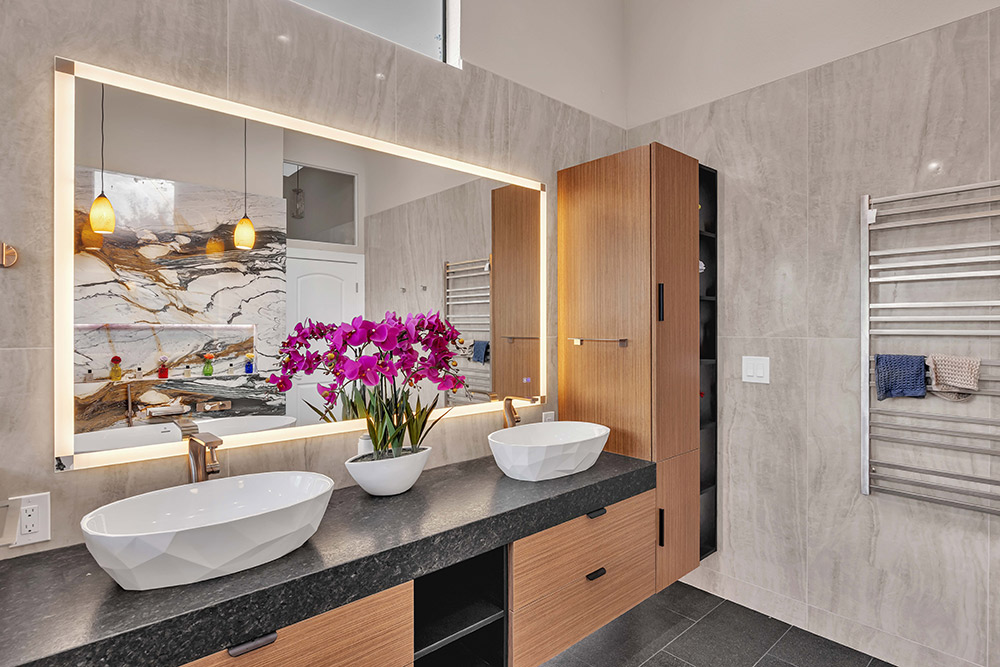
So, You’re Thinking About Remodeling Your Silicon Valley Home? Buckle Up.
Let’s be honest for a second. The thought of a home remodel here in the Bay Area is equal parts thrilling and utterly terrifying. We get it. You’re scrolling through Pinterest, dreaming of that flawless kitchen extension or a spa-like primary bathroom, and then… reality hits. You start thinking about permits, the sheer cost of everything, finding a crew you can trust not to vanish mid-job, and the looming question: “Is this whole endeavor even abortable if things go sideways?”
Take a deep breath. We’ve been right where you are, not just as homeowners, but as the team at Lecut Construction in San Jose. We’ve navigated every twist and turn of general remodeling in this unique market. So, let’s have a real talk about turning your renovation anxiety into excitement.
Why “Near Me” Matters More Than You Think
We’ve all typed “bathroom remodeler near me” or “renovation contractor near me” into a search bar. But around here, that local expertise isn’t just a convenience—it’s a necessity. Building codes in San Jose aren’t the same as in Saratoga. The planning department in Santa Clara has its own rhythm. A general contractor who knows the specific lay of the land in Campbell or Cupertino can save you months of headaches.
The Hyper-Local Advantage
Working with a team deeply embedded in Silicon Valley means:
- Permit Navigation: We know the inspectors and the process. What gets approved in Sunnyvale might need a different approach in Los Gatos.
- Material Logistics: We have established relationships with suppliers across the valley, from Milpitas to Morgan Hill, which can affect both timeline and price.
- Community Understanding: We get the vibe. Whether it’s preserving the charm of an older home in Saratoga or building a modern tech-forward addition in Palo Alto, context is everything.
Decoding the Budget: Getting Real About Cost
Alright, let’s tackle the elephant in the room: the cost. IMO, transparency here is what separates a good experience from a nightmare. You wouldn’t buy a car without knowing the price, right? Your home deserves the same respect.
A full home remodel is a different financial universe than a targeted exterior remodeling project or adding a bathroom. The variables are endless, but let’s break down what you’re really investing in with a quick comparison.
A Rough Guide to the Investment Spectrum
Here’s a basic table to frame your thinking. Remember, these are starting points—your specific vision, materials, and site conditions will shape the final number.
| Project Scope | Typical Starting Investment Range | What You’re Really Paying For |
|---|---|---|
| Bathroom Remodel | $25,000 – $60,000+ | Plumbing/electrical moves, waterproofing, tile, fixtures, and that glorious heated floor you deserve. |
| Kitchen Remodel | $40,000 – $100,000+ | Cabinetry (a huge chunk), appliances, countertops, structural changes, and high-end lighting. |
| Home Additions | $200 – $400+ per sq. ft. | Foundation work, new structure, roofing, tying into existing systems, and finishing the interior. |
| Full Home Remodel | Project-Specific | A symphony of all trades, often involving living elsewhere, and managing a complex, phased timeline. |
The key? A detailed, fixed-price proposal from a reputable house remodeling contractor. This isn’t the place for vague estimates. At Lecut Construction, we believe in locking in numbers before a single hammer swings, so you can plan your life without nasty financial surprises.
Planning Your Escape Hatch: The “Abortable” Phase
Ever started a project and immediately felt that sinking “what have I done?” feeling? We call the early, pre-construction phase the abortable stage for a reason. This is your golden window.
It includes:
- Initial design and conceptual drawings.
- The detailed estimation and proposal process.
- Preliminary permit research.
Investing in this planning phase with your general contractor is crucial. It’s where you get absolute clarity. If the numbers or plans don’t align with your vision, you can pivot or pause with minimal loss. It’s far better to abort a plan on paper than to abort a half-demolished kitchen.
Choosing Your Partner: It’s More Than a Google Search
Finding the best remodeling company for you isn’t about who has the flashiest ad. It’s about fit. Do you communicate well? Do they understand your lifestyle? Are they listening, or just waiting to talk?
Red Flags & Green Lights
- Red Flag: A contractor who balks at pulling permits. Run. Just run.
- Green Light: A team that welcomes you to visit past projects in Fremont, Campbell, or Sunnyvale to see their work firsthand.
- Red Flag: A suspiciously low bid. In remodeling, you often get what you pay for, and that low number will find its way out of your wallet one way or another.
- Green Light: Clear, weekly communication protocols. You shouldn’t have to play detective to know what’s happening in your own home.
This is where we, at Lecut Construction, have built our reputation across San Jose and the surrounding communities. We’re not just builders; we’re project translators and stress buffers. Our goal is to make the process as smooth and predictable as possible, because let’s face it, you have enough on your plate.
Your Silicon Valley Remodeling Questions, Answered
We hear the same smart questions all the time. Here are quick, straight answers.
1. How long will my remodel actually take?
Always plan for longer than the initial estimate. For a major kitchen or full home remodel, 4-8 months is common. Why? Permit delays, material backorders (still a thing), and the inevitable “while we’re at it” discoveries behind your walls. A good contractor builds contingency time into the schedule.
2. Should I live in my home during the remodel?
For a single bathroom or small project, maybe. For a kitchen or whole-house project, we strongly recommend moving out. The dust, noise, and lack of a kitchen/bathroom will test even the strongest relationships. Trust us on this one 🙂
3. How do we handle decisions and changes?
We have a formal change order process for a reason—it protects everyone. You decide on something new, we provide a written cost and timeline impact, you approve, we proceed. This keeps the budget from spiraling and avoids the “but I thought…” conversations.
4. What sets apart a high-end remodeling company?
It’s in the details and the management. It’s not just the fancy tile. It’s about flawless project management, impeccable communication, master-level craftsmanship from trusted sub-trades, and a relentless focus on solving problems before they become your problems.
Ready to Turn That Dream into a Blueprint?
Look, remodeling your home in Santa Clara, Cupertino, Los Gatos, or anywhere in the valley is a big deal. It’s an investment in your family’s daily joy and your property’s future. It shouldn’t feel like a leap of faith into a construction-shaped abyss.
The right team makes all the difference. A team that sees your vision, respects your budget, and guides you through the chaos with expertise and a bit of humor. FYI, that’s exactly what we strive for every day at Lecut Construction.
So, if you’re done with the endless scrolling and are ready to have a real, no-pressure conversation about your home remodeling services needs, give us a call. Let’s build something amazing, together.