

Destiny Aburto Meza January 19
Experienced team creating clean finishes and delivering steady updates.


Naomi Brooks January 19
I recently found myself locked out of my house late at night, and it was a terrible experience. I called an emergency locksmith, and a technician came to my location in an incredibly short period of time, less than 20 minutes. He was very professional and polite. He quickly unlocked me into my house without causing any damage. The service was excellent, and the charges were reasonable for the emergency.


Paul Merson December 31
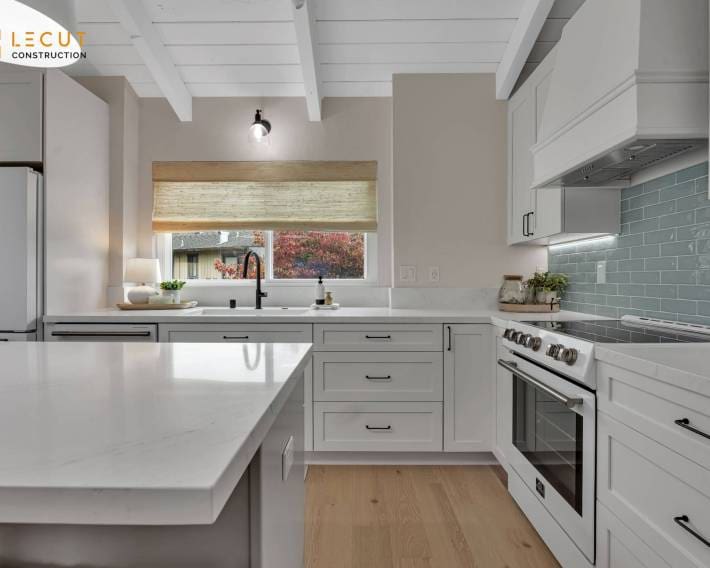
In San Jose getting a reliable and trustable home remodeler can be daunting task, but not when you have Lecut Construction.
They had a plan for the remodel and they implemented it in a professional manner.

Related Articles
People Also Ask
The 30% rule in remodeling is a budgeting guideline suggesting that homeowners should not spend more than 30% of their home's current market value on a major renovation project. This rule helps prevent over-improvement, where the cost of renovations significantly exceeds the value added to the property. For example, if a home is worth $300,000, the recommended remodeling budget would cap at around $90,000. This is a general benchmark to maintain a good return on investment and ensure the renovated property remains competitive in its local market. It is crucial to obtain accurate appraisals and consult with real estate professionals, as the appropriate investment can vary based on neighborhood trends and the specific scope of work.
The sufficiency of $100,000 for a house renovation depends heavily on the project's scope, location, and the home's size. For a targeted, high-impact update like a kitchen or bathroom remodel, or refinishing floors and updating systems in a modest-sized home, this budget can be adequate and yield excellent results. However, for a full-scale, whole-house renovation involving structural changes, premium finishes, or significant square footage additions, $100,000 may fall short, especially in high-cost regions. The key is detailed planning: obtain multiple contractor quotes, prioritize needs over wants, allocate a contingency of 10-20% for unforeseen issues, and focus spending on areas that add the most value, like kitchens and bathrooms.
The cost to remodel a 2000 sq ft home varies widely based on scope, quality, and location. A mid-range whole-house renovation typically ranges from $60,000 to $150,000, averaging $30 to $75 per square foot. High-end projects with custom finishes and structural changes can easily exceed $200,000. Key cost drivers include kitchen and bathroom updates, flooring replacement, plumbing/electrical system upgrades, and exterior work. Always obtain multiple detailed quotes from licensed contractors. A significant portion of the budget, often 10-20%, should be reserved for unforeseen issues discovered during demolition. Comprehensive planning and a clear contract are essential for managing costs and timeline effectively.
The most expensive part of a house to remodel is typically the kitchen. This is due to the high cost of cabinetry, countertops, and professional-grade appliances, along with the complex labor required for plumbing, electrical, and custom carpentry. A full kitchen renovation often involves structural changes, permits, and high-end finishes, which can quickly escalate the budget. Other major cost areas include whole-house additions and bathroom remodels, particularly master suites. However, kitchens consistently command the highest average investment because they are complex, labor-intensive projects that significantly impact a home's functionality and value. Careful planning and a clear budget are essential for managing these costs effectively.
When considering whole home remodeling services in Palo Alto, reviews are a critical resource for evaluating contractors. Look for consistent feedback on communication, project management, and adherence to timelines and budgets. A reputable firm should have numerous reviews highlighting quality craftsmanship, problem-solving skills, and professionalism. Pay close attention to how companies respond to any negative feedback, as this demonstrates their commitment to client satisfaction. It is advisable to consult multiple platforms like Google, Yelp, and Houzz to get a comprehensive picture. Always verify that the company is properly licensed and insured, and consider requesting references to speak directly with past clients about their remodeling experience.
When selecting home renovation companies in San Diego, it is crucial to conduct thorough research. Look for firms with strong local reputations, proper licensing, and extensive portfolios of completed projects in the area. A reputable company will provide detailed, written estimates and clear contracts outlining scope, timeline, and payment schedules. Always verify insurance coverage and check references from past clients. San Diego's diverse architectural styles, from coastal to modern, require contractors with specific regional experience. Prioritize companies that emphasize communication, project management, and adherence to local building codes to ensure a smooth renovation process that protects your investment and meets your expectations.