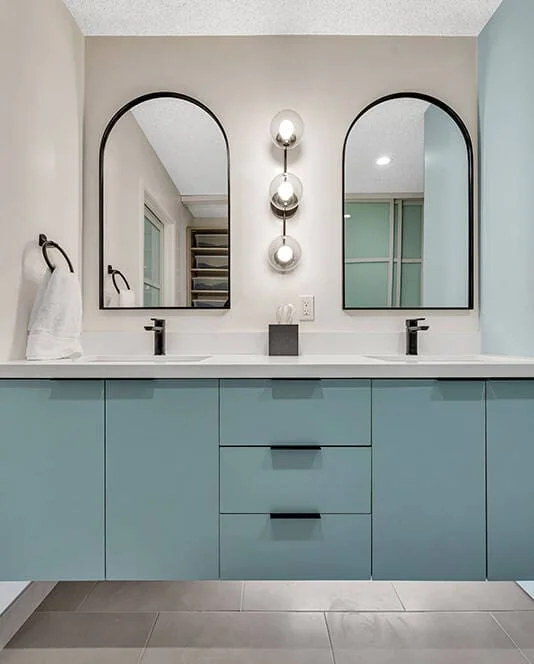
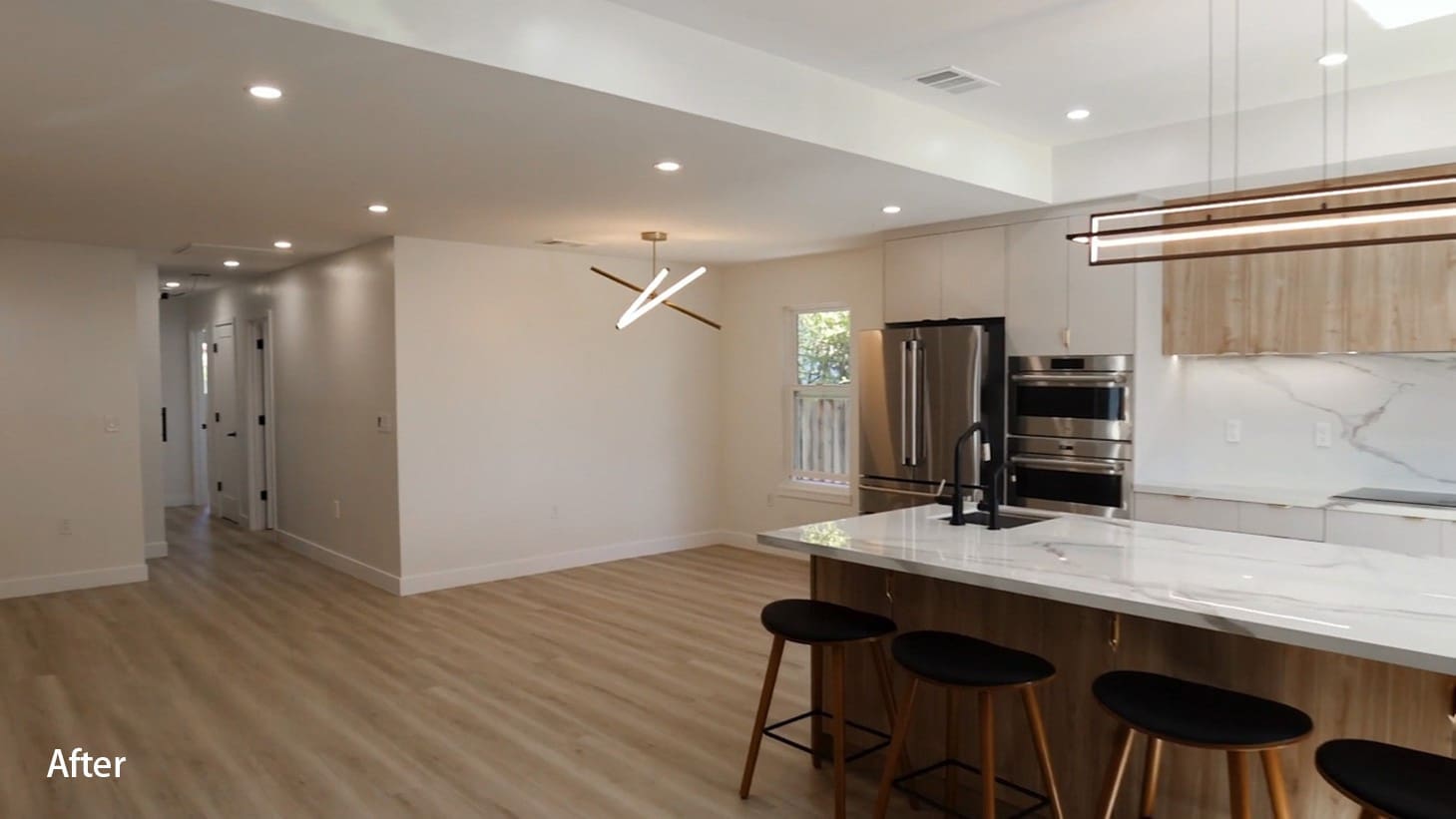
The Great Bay Area Remodel: Your No-Stress Guide to Not Hating Your Contractor
Let’s be honest, friends. The idea of a home remodel in Silicon Valley is a cocktail of excitement and pure, unadulterated terror. We dream of that open-concept kitchen, that spa-like bathroom, that extra room that finally makes our house feel like a home. Then we think about the dust, the decisions, the delays, and the dreaded search for a “general contractor near me” who won’t vanish with our deposit or make us want to pull our hair out. We’ve all heard the horror stories. But what if it didn’t have to be that way?
Having been in the trenches here in San Jose and across Santa Clara County for years, we at Lecut Construction have seen it all. We believe a great remodel should be about the transformation, not the trauma. So, grab a coffee, and let’s talk real talk about turning your renovation dreams into a (mostly) peaceful reality.
Phase One: The “What on Earth Are We Doing?” Planning Stage
Before you even think about swinging a hammer, you need a plan. And no, a Pinterest board titled “Dream Home” does not count as a plan (though we love the inspiration!).
Getting Your Ducks in a Row
First, ask the big questions. What’s the true goal? Are we just updating a tired space, or are we solving a fundamental problem like not enough bathrooms for a growing family? This is where the scope is born. A bathroom remodeler might be all you need, or you might be staring down the barrel of a full home remodel. Be brutally honest about your budget, too. Knowing your comfort zone early saves everyone heartache later.
Why a Detailed Plan is Your Best Friend
A vague idea leads to a vague—and often inflated—price. A detailed plan lets a renovation contractor give you an accurate estimate. It’s the difference between “kitchen update, maybe $30k?” and “Custom Shaker cabinets, quartz countertops, relocated plumbing, new flooring, and integrated lighting: here is your detailed cost breakdown.” Which one feels safer? We’ll wait.
Choosing Your Remodeling Ally: It’s More Than Just a Google Search
Typing “best remodeling company” into Google feels like throwing a message in a bottle into the Pacific. You’ll get a million results, but who do you actually trust?
The Red Flags We’d Avoid Ourselves
Run, don’t walk, from anyone who:
- Gives a firm price over the phone without seeing your space.
- Pressures you to sign a contract immediately.
- Only communicates in cash-only terms.
- Can’t provide a clear, written timeline or a list of recent references in towns like Campbell, Saratoga, or Los Gatos.
The Green Flags of a Pro
A great house remodeling contractor will:
- Listen more than they talk during your first meeting.
- Provide a transparent, line-item bid.
- Have a portfolio that makes sense for your project.
- Explain their process clearly, including how they handle permits in Cupertino, Sunnyvale, or wherever you are.
- Make you feel like a partner, not just a paycheck.
This is where we have to toot our own horn a bit. At Lecut Construction, we built our entire process around making this phase less scary. We sit down, we map everything out, and we ensure you know every step before we begin. No surprises. Well, except for the pleasant surprise of a smooth process.
The Nitty-Gritty: What Actually Happens During a Remodel?
Okay, you’ve picked your team. Now what? Let’s demystify the chaos.
From Demo to Dust-Off: A Typical Timeline
While every project is unique, most follow a similar rhythm. Think of it like a concert:
- Pre-production (Permits & Procurement): The boring but critical backstage work. We pull permits, order materials, and schedule trades. Nothing happens on site yet.
- Demo Day: The loud, cathartic part. Walls come down, old fixtures go out.
- Rough-ins: The “guts” go in—electrical, plumbing, HVAC. Your house looks like a skeleton.
- Insulation & Drywall: Suddenly, it starts looking like rooms again!
- Finishes: This is the fun part. Flooring, cabinets, paint, fixtures. The personality shines through.
- Final Walkthrough & Punch List: We nitpick every tiny detail together to make it perfect.
Budgeting for the “Oh, Wow” Moments
Here’s a pro tip: always have a contingency fund. We recommend 10-20% of your total project cost. Why? Because once you open a wall in a Silicon Valley home, you might find wiring from the dial-up internet era or plumbing that’s seen better days. A good general remodeling pro will flag these issues immediately and discuss options, making the process abortable at key decision points if needed. That means you’re always in control, not the unexpected discovery.
Beyond the Kitchen: Other Ways to Love Your Home Again
Maybe your kitchen is fine, but something else is itching for an upgrade.
Making More Room (Without Moving)
Home additions are a brilliant solution for growing families. Adding a second-story bonus room or extending the living space into the backyard can completely change your lifestyle. It’s often more cost-effective than battling the San Jose housing market, and you get to stay in the neighborhood you love.
The Power of Curb Appeal
Never underestimate exterior remodeling. A new roof, fresh paint, modern siding, or a redesigned front entry doesn’t just make you happy to come home—it’s a direct investment in your property’s value. It’s the first thing neighbors in Milpitas or Morgan Hill see, and frankly, it feels pretty good to have the best-looking house on the block.
Your Local Remodeling Roadmap
To make this even more tangible, let’s break down a common project scope and how it might play out across our South Bay cities.
| Project Phase | Key Activities | What You’re Deciding | Pro Tip from Us |
|---|---|---|---|
| Design & Planning | Consultations, drawings, permit applications. | Layout, material quality, overall scope. | Invest time here. A clear plan prevents 90% of headaches later. |
| Demolition & Rough-In | Removing old materials, framing, electrical/plumbing runs. | Finalizing outlet locations, shower valve types. | Take lots of pictures of the open walls! It’s great for future reference. |
| Installation & Finishes | Drywall, flooring, cabinet installation, painting, fixture fitting. | Paint colors, hardware, final tile patterns. | Keep all finish samples together in one box for quick reference. |
| Finalization & Walkthrough | Touch-up paint, cleaning, final inspections, punch list. | Accepting completed work, learning new system operations. | Be nitpicky! This is your time to point out any tiny imperfection. |
So, Why Does Working with a Local Pro Like Us Actually Matter?
Sure, you could try to manage a dozen different subcontractors yourself. You could play project manager, scheduler, and mediator between the electrician and the plumber who aren’t speaking. Sounds like a fun way to spend your evenings and weekends, right? (That’s the sarcasm, by the way.)
A true general contractor does more than just swing a hammer. We are your:
- Quarterback: Calling the plays and managing the entire team of specialists.
- Translator: Deciphering building codes for Fremont or Palo Alto and explaining them to you in plain English.
- Problem-Solver: When the unexpected happens (and it will), we present solutions, not just problems.
- Quality Control: Ensuring the tile work is straight, the paint is clean, and everything is built to last.
We’re based right here in San Jose because we’re invested in this community. We’re your neighbors, and our reputation in Campbell, Saratoga, and Sunnyvale is everything. When you work with a local team like Lecut Construction, you’re not just a job number. You’re the person we might bump into at the farmers’ market, so you better believe we’re going to make sure you’re thrilled with your home.
Your Burning Remodel Questions, Answered
Q1: How long will my remodel actually take?
A: It depends entirely on the scope. A powder room might be 2-3 weeks. A major full home remodel could be 4-6 months. The key is to get a detailed timeline from your contractor during the bidding phase and understand that weather (for exterior remodeling) and material lead times can cause shifts. Communication about any delays is non-negotiable.
Q2: How do I prepare my family for living through a remodel?
A: Set up a temporary “kitchen” (microwave, mini-fridge, coffee maker), seal off the construction zone with plastic sheeting, and establish clear rules with the crew about access and safety. Most importantly, remember the “why.” A little short-term chaos for long-term bliss is usually worth it.
Q3: Is it worth remodeling before I sell my home?
A: It can be, but focus on ROI-driven projects. Kitchen and bathroom updates typically offer the best return. Sometimes, just deep cleaning, fresh paint, and minor repairs are enough. IMO, the best reason to remodel is to enjoy the home you want to live in.
Q4: How do we get started with a company like Lecut Construction?
A: Simple! Just reach out for a consultation. We’ll come see your space, listen to your ideas, and give you our honest professional take on scope, cost, and timeline. No pressure, just a friendly chat to see if we’re the right fit for your vision. FYI, that’s how all good partnerships should start.
At the end of the day, a successful remodel is about partnership. It’s about finding a team that sees your vision, respects your home, and guides you through the process with clarity and a bit of humor. It shouldn’t feel like a battle. So, if you’re in San Jose, Santa Clara, or anywhere in the South Bay and you’re dreaming of something more for your home, let’s have that first conversation. Your dream space—and a surprisingly sane journey to get there—might be closer than you think 🙂
Related Articles
People Also Ask
Creating a simple outdoor kitchen for year-round enjoyment requires thoughtful planning for durability and seasonal adaptability. Start with a robust, weatherproof countertop like stainless steel, concrete, or granite, and include essential appliances such as a built-in grill and a compact refrigerator under a protective roof or pergola. For colder months, integrate heating elements like a fire pit or patio heaters, and consider windbreaks or retractable screens. Use all-weather cabinetry and storage to protect utensils. Lighting is crucial for evening use; opt for LED fixtures under counters and overhead. This setup ensures a functional, inviting space that extends outdoor living beyond summer, blending practicality with comfort for entertaining in any season.
Creating an outdoor kitchen for year-round enjoyment on a budget requires smart planning and material choices. Start with a simple, functional layout using durable, cost-effective materials like concrete countertops and stainless steel carts for key appliances. Incorporate a quality grill as the centerpiece, adding a DIY pergola or retractable awning for weather protection. For colder months, integrate a portable patio heater or a compact fire pit to extend usability. Use all-weather cabinetry and storage solutions to protect essentials. Strategic lighting, like string lights or solar-powered LEDs, enhances ambiance. Focus on multipurpose elements and phased construction to manage costs while building a space suitable for all seasons.
Creating a covered outdoor kitchen extends your living space and enhances entertainment possibilities. Key considerations include durable materials like stainless steel for appliances and weather-resistant cabinetry. A solid roof structure, such as a pergola with a retractable canopy or a permanent pavilion, is essential for protection. Incorporate a high-quality ventilation hood for grills, ample counter space for prep, and integrated storage. For a complete setup, include zones for cooking, cleaning, and seating. Using complementary flooring, strategic lighting, and possibly an outdoor fireplace or heater ensures year-round usability. Always ensure the design complies with local building codes, especially for gas, electrical, and ventilation systems.
Looking for inspiration for your outdoor kitchen project is a great first step. Pictures of designs can help you visualize layout, material choices, and essential features like built-in grills, countertops, and storage. When reviewing designs, consider your climate, the kitchen's integration with your home's architecture, and your entertaining needs. Key elements often include durable, weather-resistant materials like stainless steel, stone, and treated hardwoods. Proper planning for utilities—gas, water, and electricity—is critical for functionality and safety. For a detailed guide on planning and constructing a premium outdoor cooking space, including material recommendations and layout tips, be sure to read our internal resource Outdoor Kitchen Build.
Creating an outdoor kitchen on a budget requires smart planning and material choices. Start by defining a simple layout using an existing patio or a gravel base to save on foundation costs. For cabinetry, consider repurposed materials like cinder blocks or pallet wood sealed for outdoor use. A central, affordable feature is a portable grill or a DIY countertop built around a basic charcoal model. Use durable, inexpensive materials like concrete pavers for countertops and stainless steel utility sinks from hardware stores. Add ambiance with string lights and second-hand outdoor furniture. The key is prioritizing essential functions—cooking, prep, and storage—while using creative, cost-effective solutions to build a functional and inviting space.
Building a covered outdoor kitchen structure requires careful planning to ensure durability and functionality. Start by selecting weather-resistant materials like stainless steel for appliances and stone or tile for countertops. The roof should provide ample protection from sun and rain, with options ranging from pergolas to solid roofs with proper drainage. Incorporate ventilation to manage smoke and heat, and ensure all electrical and plumbing installations are up to code and protected from the elements. Consider the layout for efficient workflow, including prep, cooking, and serving areas. A well-designed structure not only extends your living space but also significantly increases property value.