

Destiny Aburto Meza January 19
Experienced team creating clean finishes and delivering steady updates.


Naomi Brooks January 19
I recently found myself locked out of my house late at night, and it was a terrible experience. I called an emergency locksmith, and a technician came to my location in an incredibly short period of time, less than 20 minutes. He was very professional and polite. He quickly unlocked me into my house without causing any damage. The service was excellent, and the charges were reasonable for the emergency.


Paul Merson December 31
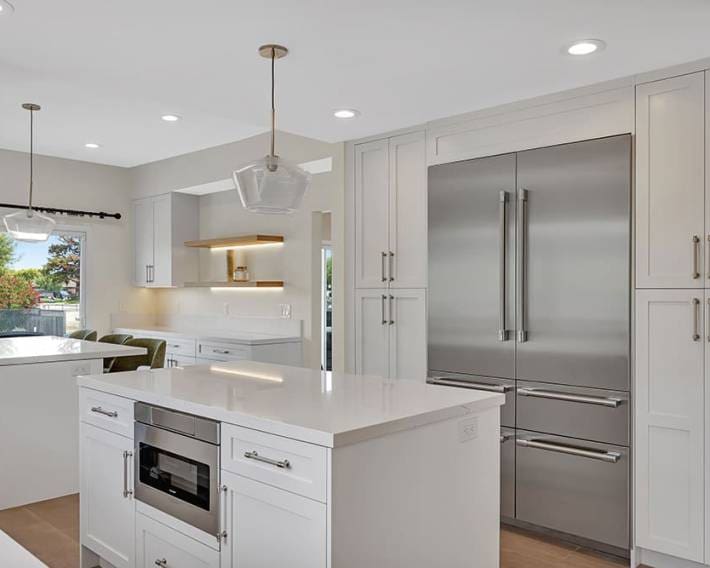
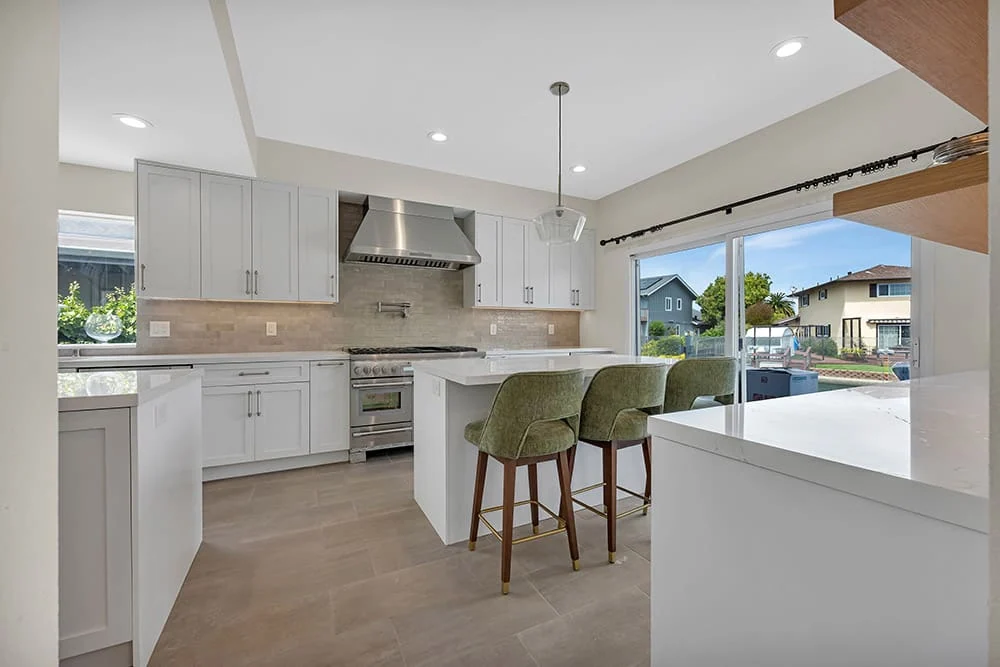
In San Jose getting a reliable and trustable home remodeler can be daunting task, but not when you have Lecut Construction.
They had a plan for the remodel and they implemented it in a professional manner.
People Also Ask
The cost to build an outdoor kitchen varies widely, typically ranging from $5,000 for a basic, pre-fabricated setup to over $50,000 for a fully custom, high-end installation with premium appliances and masonry work. Key factors influencing price include the size and layout, material choices (like stainless steel, stone, or tile), appliance quality (grills, refrigerators, sinks), utility connections (gas, water, electricity), and whether you include features like countertops, storage, or pergolas. Labor and site preparation are also significant cost components. For a detailed breakdown of budgeting, design considerations, and material options, we recommend reading our internal guide, Outdoor Kitchen Build. Always obtain multiple quotes from licensed contractors to ensure your project aligns with both your vision and local building codes.
Yes, you typically need a permit to install an outdoor kitchen. Most local building departments require permits for permanent structures involving gas, electrical, and plumbing work. This ensures all installations meet critical safety codes for fire, gas line pressure, electrical grounding, and wastewater management. Even for simpler setups, zoning laws may dictate how close you can build to property lines. Always check with your local municipality first. Skipping permits can lead to fines, forced removal, and issues when selling your home. A licensed contractor can usually handle the permit process, ensuring your project is safe, legal, and adds value to your property.
The requirement for planning permission to build an outdoor kitchen depends on your local zoning regulations and the project's specifics. In many areas, a simple, non-permanent structure with a grill and counter may be considered permitted development, not requiring formal permission. However, if the kitchen includes permanent foundations, a roof, significant plumbing or gas lines, or if your property is in a designated area like a conservation zone, planning permission is likely required. It is crucial to consult with your local planning authority early in the process. They can provide definitive guidance based on your exact plans, ensuring your project complies with all building codes and land use rules, thus avoiding potential legal issues and fines.
An outdoor kitchen can significantly enhance a property's value, often providing a return on investment of 55% to 200% depending on the quality, materials, and local market. It adds functional living space, appealing to buyers seeking an entertainment-focused, luxury outdoor experience. This upgrade boosts curb appeal and livability, aligning with trends favoring indoor-outdoor flow. For the highest value addition, use durable, weather-resistant materials like stainless steel and stone that complement the home's architecture. A well-integrated design with essential amenities—such as a grill, counter space, and storage—typically adds more value than an overly elaborate setup. It's a strategic investment that improves marketability and lifestyle appeal.