
The Great Home Remodeling Adventure: Your Blueprint for Sanity (and an Amazing Home)
Let’s be honest, friends. The idea of a home remodel is equal parts thrilling and terrifying. We’ve all been there, scrolling through dreamy before-and-after photos, only to be hit with the cold reality of logistics, budgets, and the sheer number of decisions. Where do you even start? Do you need a bathroom remodeler, or is this a full home remodel situation? And how do you find a general contractor who won’t make you want to flee the country mid-project?
Well, take a deep breath. We’re going to walk through this together, from that first spark of an idea to the final walk-through. Consider this your friendly, slightly caffeinated guide to navigating the wild world of home improvement in Silicon Valley.
So, You’ve Decided to Remodel. Now What?
First, congratulations! Deciding to improve your space is a big deal. Whether it’s a kitchen that no longer sparks joy, a bathroom stuck in the ’90s, or a growing family that needs more room, you’re taking the first step. But before you pick out paint swatches or start demoing a wall with reckless abandon, we need a game plan.
Think of this phase as the “architect of your own destiny” stage. You need to get crystal clear on three things:
- The Dream: What’s the vision? Gather inspiration, create mood boards, and be specific. “A nicer kitchen” is vague. “An open-concept kitchen with a large island, quartz countertops, and smart storage” gives us something to work with.
- The Budget (The “Cost” Conversation): Ah, the elephant in the room. Let’s just say it: understanding the cost is non-negotiable. Be realistic. Get a rough sense of what things cost in our area—San Jose, Santa Clara, Campbell—it’s not cheap, but a good renovation contractor will help you maximize every dollar.
- The Scope: Is this a targeted update or a grand overhaul? Defining this determines who you need to call. A bathroom remodeler specializes in one thing. For general remodeling that touches multiple systems, you need a house remodeling contractor or a general contractor who can manage the entire symphony.
Choosing Your Remodeling Allies: It’s Not Just a “Near Me” Search
This is arguably the most critical step. Typing “best remodeling company near me” into a search bar is a start, but it’s like finding a needle in a haystack. You need a team that gets you, your home, and the unique vibe of our communities—from the established charm of Saratoga and Los Gatos to the innovative spirit of Cupertino and Sunnyvale.
Here’s what we always recommend looking for:
- Local Expertise: A contractor who knows the permitting processes in Milpitas is different from those in Fremont or Morgan Hill. This local knowledge saves untold time and headaches.
- Transparent Communication: You want a team that talks with you, not at you. No jargon, no mystery. Just clear, honest updates.
- A Solid Process: How do they handle the unexpected? (Spoiler: something always comes up). A great process makes any project abortable at key stages—meaning you have clear off-ramps if plans need to change, without being left in a lurch.
Speaking from our own experience at Lecut Construction here in San Jose, we built our entire approach around this. We saw too many neighbors in Silicon Valley getting burned by opaque pricing and disappearing crews. So, we made clarity and partnership our non-negotiables. If you’re looking for a general remodeling partner who treats your home like their own, well, you know who to call 🙂
The Remodeling Menu: What’s On Your Plate?
The beauty of home remodeling services is that they’re a la carte. You can mix and match based on your goals and budget. Let’s break down the common options.
Interior Revamps: The Heart of the Home
This is where most of us start. It’s all about making the spaces you live in every day work better and feel more “you.”
Kitchen & Bath: The Value Champions
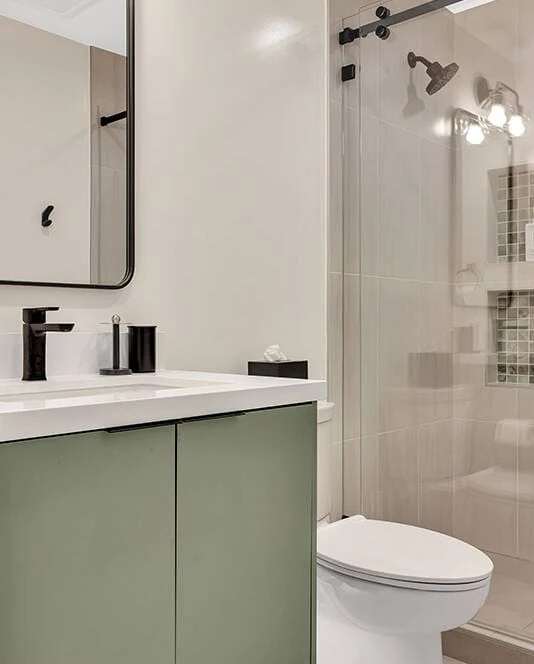
A kitchen or bathroom update often gives you the biggest bang for your buck in both daily enjoyment and potential resale. It’s complex—involving plumbing, electrical, and precise craftsmanship—so choosing a specialist bathroom remodeler or a skilled general contractor is key.
Whole-House Gut Jobs
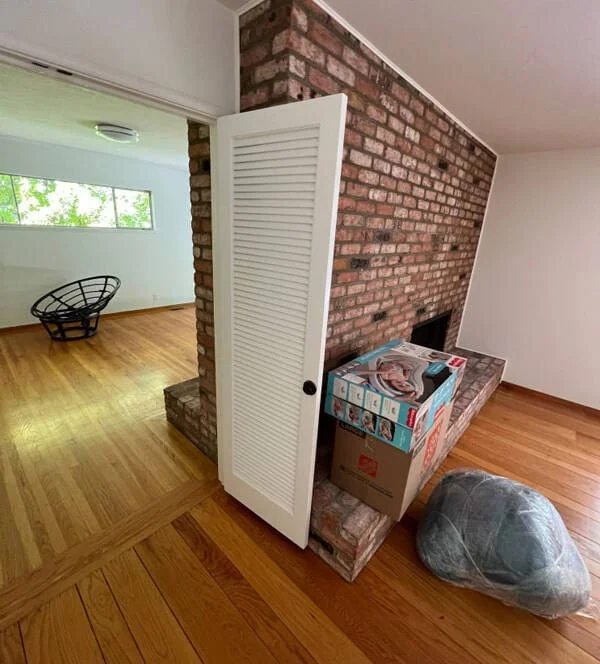
A full home remodel is a marathon, not a sprint. It’s for when your entire layout feels off. This requires a top-tier house remodeling contractor with the project management skills to coordinate a dozen trades over several months.
Expanding Your Footprint: Home Additions
Need more space? Building up or out with home additions is a fantastic alternative to moving. It’s a significant investment but lets you customize exactly what you need—a new primary suite, a family room, a dedicated home office.
Curb Appeal & Beyond: Exterior Remodeling
Don’t forget the outside! Exterior remodeling isn’t just about looks (though a fresh facade is amazing). It includes:
- New siding or stucco
- Roof replacement
- Deck and patio builds
- Window and door upgrades
This protects your investment and makes coming home a joy every single time.
Navigating the Timeline & Budget Realities
Let’s get practical. A good contractor won’t just give you a bottom-line price; they’ll break it down. Here’s a simplified look at where your investment typically goes in a medium-sized renovation.
| Phase of Project | Typical Cost Allocation | What It Includes | Why It Matters |
|---|---|---|---|
| Design & Planning | 10-15% | Architectural drawings, engineering, permits, material selection. | The blueprint for success. Skipping this is like building IKEA furniture without the instructions. |
| Construction & Materials | 60-70% | Labor, lumber, concrete, drywall, plumbing fixtures, electrical, cabinetry, etc. | The meat and potatoes. This is where quality of materials and skill of labor make all the difference. |
| Contingency | 10-15% | A reserved fund for the unexpected (hidden water damage, outdated wiring, etc.). | Your financial safety net. Not having one is the #1 budget mistake. |
| Finishes & Fixtures | 10-20% | Flooring, countertops, lighting, paint, hardware, appliances. | The jewelry of the project. This is where your personal style shines through. |
Your Top Remodeling Questions, Answered
Q1: How long will my remodel actually take?
Honestly? Longer than the best-case scenario you’re hoping for. A bathroom might take 4-6 weeks. A major kitchen or addition can take 3-6 months. A full home remodel can span 6-12 months. The key is a realistic timeline from your contractor with built-in buffers. A good general contractor in Sunnyvale or Campbell will manage expectations from day one.
Q2: How do I prepare to live through a remodel?
Set up a temporary kitchen (microwave, mini-fridge, coffee maker). Seal off the construction zone with plastic sheeting. Embrace the dust—it will get everywhere, no matter what. And communicate constantly with your crew. At Lecut Construction, we help clients set up these livability plans because, IMO, your sanity is part of the project’s success.
Q3: Should I get multiple bids?
Absolutely. Get at least three detailed bids. But remember: the lowest price isn’t always the best value. Compare the scope, materials, timeline, and your gut feeling about the team. FYI, a suspiciously low bid often means corners will be cut or costs will balloon later.
Q4: What’s the one thing I shouldn’t skimp on?
The team. Seriously. You can change light fixtures later, but you can’t easily fix bad framing or shoddy plumbing. Investing in a reputable renovation contractor with proven experience in Santa Clara and the wider Silicon Valley area is your single best guarantee of a good outcome.
Wrapping It Up: Your Dream Home Awaits
The remodeling journey is a mix of chaos, excitement, decision fatigue, and ultimately, immense satisfaction. It’s about more than just new countertops; it’s about creating a home that truly supports your life.
Do your homework, ask the hard questions about cost and process, and choose a partner who communicates like a human, not a textbook. If you’re in San Jose or any of our wonderful surrounding cities and want to start that conversation with a team that’s as invested as you are, give us a call at Lecut Construction. Let’s build something amazing, together. After all, the only thing better than a beautiful home is a remodeling story that doesn’t keep you up at night 🙂
People Also Ask
The cost for a 20x20 master suite addition typically ranges from $200 to $400 per square foot, leading to a total project cost between $80,000 and $160,000. This wide range depends heavily on material choices, labor costs in your region, and the complexity of the work. A basic addition with standard finishes will be at the lower end, while high-end customizations, complex roofing or foundation work, and premium fixtures will increase the price. Key cost factors include plumbing for an ensuite bathroom, electrical systems, HVAC extension, and the quality of windows and exterior finishes. Always obtain multiple detailed quotes from licensed contractors and budget an additional 10-20% for unforeseen issues.
The 30% rule in remodeling is a budgeting guideline suggesting that homeowners should not spend more than 30% of their home's current market value on a renovation project. This rule helps prevent over-improvement, where the cost of upgrades significantly exceeds the value added to the property. For example, on a $500,000 home, the recommended remodel budget would cap at around $150,000. This is a general benchmark to ensure a reasonable return on investment and maintain financial prudence. However, it's not absolute; kitchen and bathroom remodels often offer higher returns, while highly personalized luxury upgrades may not. Always consult with a professional contractor and real estate expert to tailor the budget to your specific goals, local market conditions, and the scope of work required.
The cost comparison between adding an addition (building out) versus building up (adding a second story) depends heavily on your specific project and existing structure. Generally, building out is often less expensive per square foot initially, as it avoids major structural modifications to the existing foundation and roof. However, it consumes yard space and may require extensive site work. Building up can be more cost-effective on a small lot and avoids foundation costs, but it typically requires a detailed structural analysis, potential reinforcement of existing walls and foundation, and temporarily relocating the household during construction. A professional assessment of your home's current condition, local zoning, and your long-term needs is crucial for an accurate comparison and decision.
The sufficiency of $100,000 for a house renovation depends heavily on the project's scope, location, and the home's size. For a targeted, high-impact update like a kitchen or bathroom remodel, or refreshing flooring and paint throughout a standard-sized home, this budget can be adequate and yield excellent results. However, for a full-gut renovation, a significant addition, or addressing major structural, plumbing, or electrical issues, $100,000 may fall short, especially in high-cost regions. The key is detailed planning: obtain multiple contractor quotes, prioritize needs over wants, and always allocate a contingency fund of 10-20% for unforeseen expenses. Professional project management is crucial to stay within budget.
Building a master suite addition in San Jose typically costs between $150,000 and $400,000 or more. This wide range depends on the project's scale, finishes, and site-specific challenges. Key cost factors include the suite's square footage, foundation work, high-end bathroom fixtures, custom cabinetry, and premium flooring. In the Bay Area, labor and material costs are significantly above the national average. Additional expenses often arise from permit fees, architectural design, and potential upgrades to your home's HVAC or electrical systems. For an accurate estimate, it is crucial to obtain detailed quotes from several licensed, insured contractors who understand San Jose's specific building codes and seismic requirements.