Let’s Get Real About Remodeling in Silicon Valley: A No-Fluff Guide
Okay, let’s have a chat. You’re thinking about a remodel. Maybe your kitchen is stuck in a 1990s time warp, your bathroom tile is giving you nightmares, or you’ve simply run out of space. You start typing “home remodeling services near me” or “renovation contractor cost” into that search bar, and suddenly you’re drowning in a sea of portfolios, promises, and mind-boggling price ranges. It’s enough to make anyone want to hit the abort button on the whole idea, right?
We get it. We’re Lecut Construction, right here in San Jose, and we’ve been navigating these waters with our neighbors for years. From a simple bathroom facelift in Campbell to a full home remodel in Saratoga, we’ve seen the excitement, the stress, and the million questions that come with transforming your space. So, grab a coffee, and let’s break this down together, like friends would.
What Kind of Remodel Are We Even Talking About?
First things first, we need to get on the same page. “Remodeling” is a giant umbrella. Are we talking about swapping out a faucet or reimagining your entire property? Knowing the scope isn’t just about semantics; it’s the single biggest factor that determines your budget, timeline, and which pro you need to call.
The “Scale of Your Saga” – From Quick Fixes to Grand Adventures
Let’s categorize this chaos, shall we?
The Single-Room Special
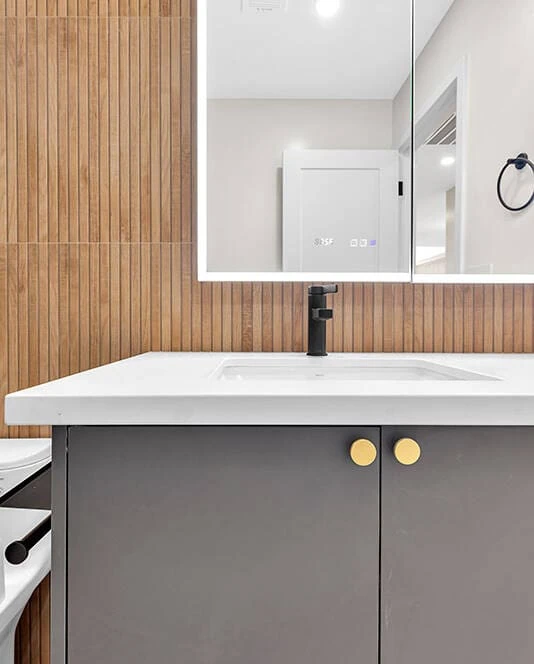
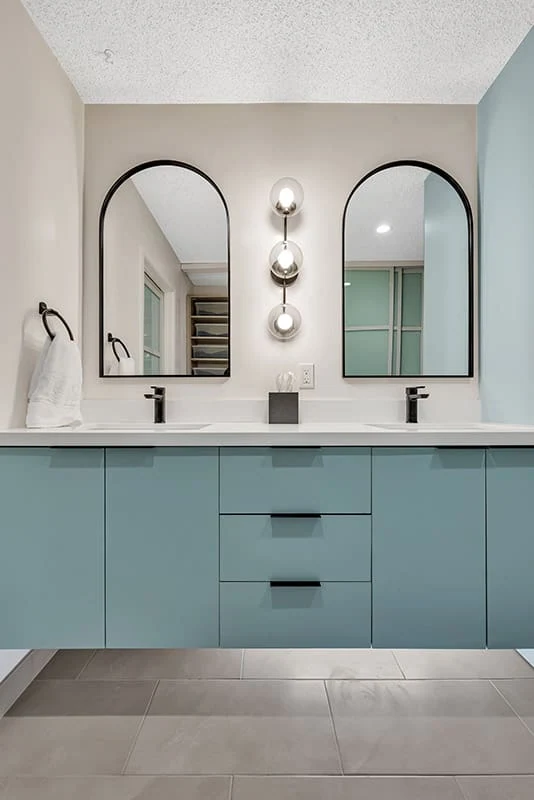
This is your classic bathroom remodeler territory or a kitchen update. It’s focused, disruptive (mostly to that one room), and has a more predictable timeline. Perfect for when you love your home but hate your 1980s ensuite.
The Whole-House Whirlwind
Ah, the full home remodel. This is the major league. We’re talking about opening up walls, updating electrical and plumbing throughout, and essentially giving your home a new identity from the inside out. It’s a commitment, but wow, is the result transformative.
The “We Need More Space!” Solution
When moving isn’t an option, home additions or finishing a basement become the heroes of the story. This is where a great general contractor really earns their keep, seamlessly blending new structures with your existing home.
The Curb Appeal Comeback
Don’t underestimate exterior remodeling. New siding, windows, a deck, or a roof isn’t just about looks (though that’s a big part); it’s about protection and pride. It’s the first thing you see coming home and the first thing potential buyers see later on.
The Not-So-Fun Part: Talking About Money (Cost & Price)
We have to go here. It’s the elephant in the beautifully designed, open-concept room. In Silicon Valley—from Santa Clara and Cupertino to Los Gatos and Fremont—cost is a major factor. And for good reason. Quality isn’t cheap, and cheap… well, you often get what you pay for.
Decoding the Dollars: Why Does Remodeling Cost That Much?
When you get a price, you’re not just paying for materials and labor. You’re paying for expertise, project management, permits (oh, the glorious permits with local cities like San Jose or Sunnyvale), insurance, and the peace of mind that comes from a job done right. A lowball quote often means someone is cutting corners on one of those critical, invisible things.
Here’s a quick, honest look at what shapes your investment:
- Scope & Complexity: A custom shower with imported tile costs more than a standard tub-shower combo. IMO, this is where your priorities really matter.
- Material Choices: That’s the fun part, but it has a direct line to the budget. We can guide you on where to splurge and where to save.
- Unforeseen Issues: This is the big one. A good house remodeling contractor builds a contingency into the budget because when you open up a wall in an older home in, say, Campbell or Morgan Hill, you might find wiring that looks like a spider web or plumbing that’s seen better days.
- The “Silicon Valley Premium”: Let’s be real. Skilled labor, higher business costs, and strict building codes across the Bay Area mean rates are different here than in other regions. You’re paying for top-tier talent and compliance.
Why “Abortable” is a Word You Want to Hear
Wait, abortable? In a construction article? Absolutely. In our world, a good plan has clear off-ramps. It means the project is broken down into defined phases with decision points. If something unexpected happens or priorities change, you can pause after a logical completion point without leaving your home in a state of chaotic, unfinished limbo. Any best remodeling company will structure your project this way. It protects you and gives you control. FYI, this is a non-negotiable in our playbook at Lecut Construction.
Picking Your Partner: It’s More Than Just a Google Search
You wouldn’t trust just anyone with your car or your health. Your home deserves the same care. Typing “general remodeling near me” is a start, but then the real work begins.
Vetting Your Remodeling Dream Team
Here’s our insider checklist for separating the pros from the… well, not-pros.
- Licensed, Insured, and Bonded: This is bare minimum table stakes. Don’t even have the first coffee meeting without confirming this.
- Specialization: A genius bathroom remodeler might not be the best pick for your two-story home addition. Look for a portfolio that matches your project scale.
- Communication Style: Do they listen, or just sell? You’re going to be in a long-term relationship with this team. You need to vibe.
- Detailed, Fixed-Price Contracts: Ambiguity is your enemy. The scope, timeline, payment schedule, and specific materials should be in writing. No “we’ll figure it out later.”
A Quick Comparison: The DIY Dilemma
| Consideration | DIY Path | Professional Path (Like a Pro Team) |
|---|---|---|
| Cost Upfront | Seems lower. | Higher initial investment. |
| Time Commitment | Your nights & weekends for months. | Managed schedule; you live your life. |
| Skill & Risk | High risk of errors, safety issues, and code violations. | Expertise ensures quality, safety, and compliance. |
| Stress Level | Off the charts. You’re the project manager. | We handle the headaches. You approve the choices. |
| Final Value & Resale | May not appraise well; can look “handmade.” | Professional finish increases home value significantly. |
See what we mean? Sometimes, what you “save” in money you pay for in stress, time, and potential mishaps.
Your Local Guide: Why Geography Actually Matters
Working with a local team in Silicon Valley isn’t just a nice-to-have; it’s a strategic advantage. Building codes and permit processes vary between San Jose, Saratoga, Milpitas, and every other town in our beautiful, quirky region. A general contractor who knows the inspectors and the specific rules in Cupertino can navigate that process ten times faster than someone from out of the area. It shaves weeks off your timeline. That’s why at Lecut Construction, we’re proud to be based right here and serving our surrounding communities.
Let’s Answer Those Burning Questions
You Asked, We’re Answering (No Judgement!)
Q1: How long will my remodel really take?
A: Always add 10-20% buffer to any timeline you’re given. Material delays, permit hiccups, and those unforeseen “surprises” in the walls are real. A good team communicates these delays immediately and works to mitigate them.
Q2: Should I move out during the project?
A: For a single bathroom or kitchen remodel, you can often tough it out. For a full home remodel or major addition, living elsewhere is a sanity-saver. We can help you plan for this.
Q3: How do I prepare for the disruption?
A: Pack up the room(s) completely. Create a temporary kitchenette if needed. Set clear dust-containment expectations with your team. And mentally prepare for some noise – it’s the sound of progress 🙂
Q4: How do I ensure I’m choosing the best remodeling company for me?
A: Trust your gut, but back it up with facts. Check reviews, ask for references from past clients with similar projects, and see if their communication style matches yours. The lowest price is rarely the best value when it comes to the place you call home.
Wrapping This Chat Up
Phew, that was a lot, but hopefully, it felt like a useful conversation and not a lecture. Remodeling is a journey—a blend of excitement, tough decisions, dust, and ultimately, incredible reward. It’s about creating a space that works for your life, not the other way around.
The biggest takeaway? Do your homework, understand the scope and investment, and choose a partner you trust to guide you. If you’re in San Jose or anywhere in the South Bay and this chat resonated with you, we’d love to continue it. At Lecut Construction, we believe in making the process as clear and collaborative as the final result is beautiful. Let’s build something amazing, together.
People Also Ask
The current trend for interior doors emphasizes both aesthetics and functionality. Minimalist designs with clean lines, such as flush or slab doors, are highly popular, often painted in neutral tones or bold, contrasting colors to make a statement. Natural materials like wood, particularly with visible grain, remain a classic choice, while modern interiors are incorporating materials like metal, glass, and even sustainable composites. A significant trend is the use of oversized doors or those with integrated transoms to create a sense of height and openness. Pocket doors and barn-style sliding doors are also favored for space-saving solutions, adding a stylish, architectural element to a room.
Choosing the right internal door style involves balancing aesthetics, function, and architectural harmony. First, consider the room's purpose and traffic flow; solid-core doors offer superior soundproofing for bedrooms or offices, while lighter, hollow-core options suffice for closets. The style should complement your home's architecture—panel doors suit traditional interiors, while flush slab doors align with modern minimalism. Material is key: solid wood provides durability and warmth, whereas engineered wood offers stability and cost-effectiveness. Finally, evaluate hardware and finish; consistent finishes on handles and hinges create a cohesive look. Always measure the rough opening accurately to ensure a proper fit.
The choice between darker or lighter interior doors compared to walls is primarily an aesthetic decision, but practical considerations also apply. A lighter door than the wall can create a seamless, expansive look, making spaces feel larger and brighter, which is ideal for smaller rooms. A darker door provides a striking contrast, adding architectural definition and a sense of depth, often used to create a focal point. Industry standards emphasize considering the room's natural light, size, and overall design theme. For a cohesive result, ensure the door color complements the trim and floor. Ultimately, both approaches are valid; lighter schemes promote airiness, while darker ones offer bold sophistication.
A timeless interior door style is the classic six-panel door, often referred to as a "colonial" or "craftsman" style. Its symmetrical design, featuring six recessed or raised rectangular panels, has remained a staple for centuries due to its versatility and understated elegance. It complements a vast range of architectural styles, from traditional to modern farmhouse. For a truly enduring look, opt for a solid wood construction in a neutral painted finish like white or a natural stained wood grain. This style avoids fleeting trends, ensuring your doors remain stylish and relevant through decades of changing decor, making it a sound investment for any home.
Interior doors are a crucial element in residential and commercial construction, impacting both functionality and aesthetics. They provide privacy, sound insulation, and define the flow between rooms. Key considerations include material, style, and hardware. Solid core doors offer superior durability and soundproofing compared to hollow core options. Popular styles range from classic panel doors to modern flush designs. Proper installation is critical to ensure smooth operation and longevity, requiring precise framing and hardware alignment. The choice of door also significantly influences a space's overall design theme, making it an important detail in any construction or renovation project.
The most popular interior door style currently is the classic six-panel door, often in a shaker or craftsman profile. Its enduring popularity stems from its versatility, complementing a wide range of architectural styles from traditional to modern farmhouse. Homeowners and builders favor it for its clean lines, timeless appeal, and ability to add subtle visual interest without overwhelming a space. For contemporary interiors, flat-panel or slab doors are also extremely popular, offering a minimalist look. The trend leans toward painted finishes, especially in neutral whites, grays, and blacks, with matte or satin sheens being preferred over high-gloss for a more modern, understated elegance.
When selecting interior door styles, consider both aesthetics and functionality. Panel doors, featuring raised or flat panels, offer a classic look suitable for traditional homes. Flush doors provide a sleek, modern appearance and are often more affordable. French doors with glass panels enhance natural light flow between rooms, while barn doors add rustic charm and save space in tight areas. Pocket doors slide into walls, maximizing floor space in smaller rooms. Material choices like solid wood, engineered wood, or fiberglass impact durability and sound insulation. Always ensure the style complements your home's architectural design and meets practical needs for privacy and traffic flow.
Determining door handing (left or right) is crucial for proper installation and hardware selection. To identify door handing, stand on the outside of the door (the side where the hinges are not visible when the door is closed). If the door swings away from you and the hinges are on the left, it's a left-hand door. If the hinges are on the right, it's a right-hand door. For in-swing doors (hinges visible from outside), the opposite is true. Always confirm the handing with your supplier and installer, as it affects the door slab preparation, hinge placement, and the swing of the handle. Standardizing this specification prevents costly errors on-site.