


Destiny Aburto Meza January 19
Experienced team creating clean finishes and delivering steady updates.


Naomi Brooks January 19
I recently found myself locked out of my house late at night, and it was a terrible experience. I called an emergency locksmith, and a technician came to my location in an incredibly short period of time, less than 20 minutes. He was very professional and polite. He quickly unlocked me into my house without causing any damage. The service was excellent, and the charges were reasonable for the emergency.


Paul Merson December 31
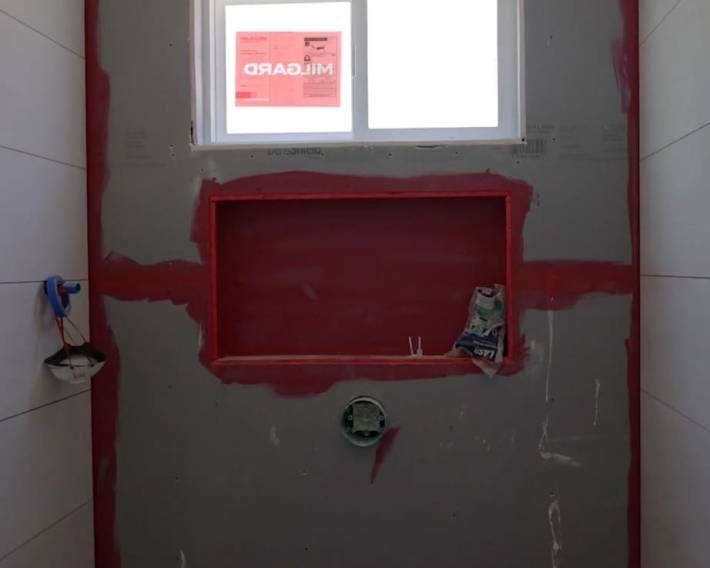
In San Jose getting a reliable and trustable home remodeler can be daunting task, but not when you have Lecut Construction.
They had a plan for the remodel and they implemented it in a professional manner.


People Also Ask
The hourly rate for electricians varies widely based on location, experience, and job complexity. On average, residential electricians in the United States charge between $50 and $100 per hour. In high-cost metropolitan areas, rates can exceed $150 per hour. For commercial or industrial work, rates are typically higher due to increased expertise and equipment requirements. Many electricians also offer flat-rate pricing for specific projects, which can be more predictable. It is crucial to obtain detailed, written estimates that outline labor, materials, and any potential additional fees. Always verify that the electrician is licensed, insured, and has positive references to ensure quality and safety compliance.
Electricians use a systematic approach to check for faulty wiring, starting with a visual inspection for obvious issues like frayed wires, burn marks, or loose connections. They then employ specialized tools such as multimeters to measure voltage and continuity, and non-contact voltage testers to safely detect live wires. For more in-depth diagnostics, they might use insulation resistance testers to identify insulation breakdowns or circuit analyzers to check for correct wiring configurations at outlets. Thermal imaging cameras can also reveal overheating components hidden behind walls. Following the National Electrical Code (NEC) standards, they methodically test circuits under load to pinpoint faults like short circuits, ground faults, or overloaded wires, ensuring repairs address the root cause for long-term safety.
An electrician and an electrical fitter are both skilled tradespeople in the electrical industry, but their primary roles differ. An electrician typically focuses on installing, maintaining, and repairing electrical systems in buildings and structures. This includes wiring, circuit breakers, lighting, and ensuring compliance with safety codes. An electrical fitter, often found in industrial or manufacturing settings, specializes in assembling, installing, and maintaining electrical equipment and machinery, such as control panels, motors, and switchgear. While there is overlap, fitters usually work on larger-scale, fixed plant equipment, whereas electricians often handle broader residential and commercial installations. Both require rigorous training and adherence to safety standards.
The scope of electrical work that can be legally performed without a license is extremely limited and varies significantly by jurisdiction. Generally, minor tasks like replacing a standard light fixture, installing a doorbell, or swapping a receptacle or switch in an existing box are often permissible for homeowners on their own primary residence. However, any work involving the main service panel, running new circuits, or installing wiring in walls typically requires a licensed electrician. It is crucial to check with your local building authority, as unpermitted work can void insurance, create serious safety hazards, and lead to code violations. For any substantial electrical project, hiring a licensed professional is the only safe and compliant choice.