


Destiny Aburto Meza January 19
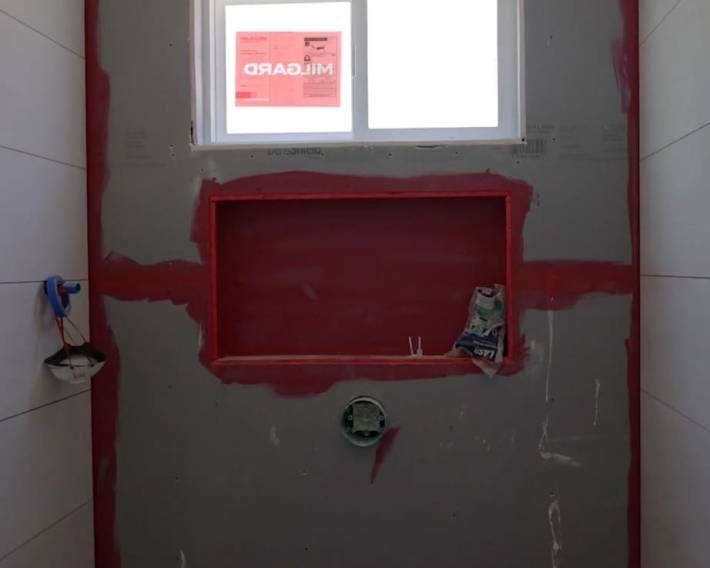
Experienced team creating clean finishes and delivering steady updates.


Naomi Brooks January 19
I recently found myself locked out of my house late at night, and it was a terrible experience. I called an emergency locksmith, and a technician came to my location in an incredibly short period of time, less than 20 minutes. He was very professional and polite. He quickly unlocked me into my house without causing any damage. The service was excellent, and the charges were reasonable for the emergency.


Paul Merson December 31
In San Jose getting a reliable and trustable home remodeler can be daunting task, but not when you have Lecut Construction.
They had a plan for the remodel and they implemented it in a professional manner.


People Also Ask
Electrical installation is a specific task within the broader trade of being an electrician. An electrician is a licensed professional whose work encompasses installation, maintenance, troubleshooting, and repair of electrical systems. Electrical installation refers to the initial act of putting in wiring, fixtures, panels, and other components, which is a core part of an electrician's duties. However, an electrician's role extends far beyond just installation to include ensuring system safety, compliance with the National Electrical Code, and performing upgrades or diagnostics. Think of it this way: all electrical installation is performed by electricians, but not all electrician work is solely installation.
The scope of electrical work that can be legally performed without a license is extremely limited and varies significantly by jurisdiction. Generally, minor tasks like replacing a standard light fixture, installing a doorbell, or swapping a receptacle or switch in an existing box are often permissible for homeowners on their own primary residence. However, any work involving the main service panel, running new circuits, or installing wiring in walls typically requires a licensed electrician. It is crucial to check with your local building authority, as unpermitted work can void insurance, create serious safety hazards, and lead to code violations. For all but the most basic replacements, hiring a licensed professional is the standard for ensuring safety and compliance.
The professionals who fix power lines are known as lineworkers or powerline technicians. They are a specialized type of electrician who works outdoors on the high-voltage transmission and distribution systems that deliver electricity from generating stations to homes and businesses. Their work involves installing, maintaining, and repairing the cables, transformers, and utility poles that make up the electrical grid. This is distinct from inside wiremen or residential electricians, who typically handle lower-voltage systems within buildings. Linework is a highly skilled and hazardous trade requiring extensive training in safety protocols, climbing, and working on energized equipment, often performed by utility companies or specialized contracting firms.
A person who works with electricity is commonly referred to as an electrician. This professional is trained and licensed to install, maintain, and repair electrical wiring, systems, and equipment in residential, commercial, and industrial settings. Their work is governed by strict safety codes and standards, such as the National Electrical Code (NEC) in the United States, to prevent hazards like electrical fires and shocks. Specializations within the field include linemen, who work on high-voltage power lines, and master electricians, who oversee complex projects. This skilled trade requires extensive technical knowledge and adherence to rigorous safety protocols.