


Destiny Aburto Meza January 19
Experienced team creating clean finishes and delivering steady updates.


Naomi Brooks January 19
I recently found myself locked out of my house late at night, and it was a terrible experience. I called an emergency locksmith, and a technician came to my location in an incredibly short period of time, less than 20 minutes. He was very professional and polite. He quickly unlocked me into my house without causing any damage. The service was excellent, and the charges were reasonable for the emergency.


Paul Merson December 31
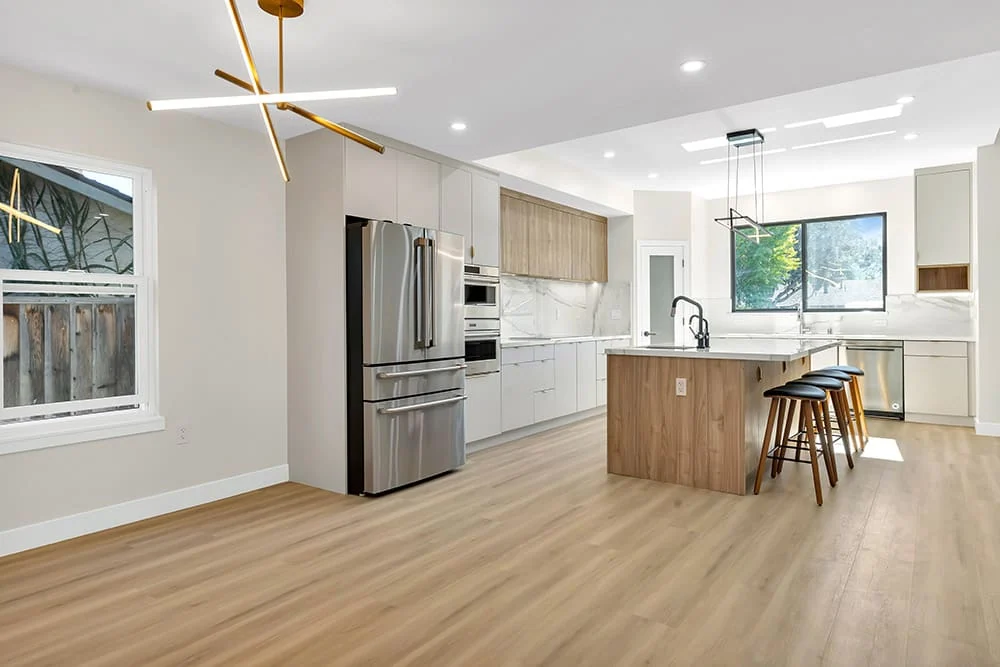
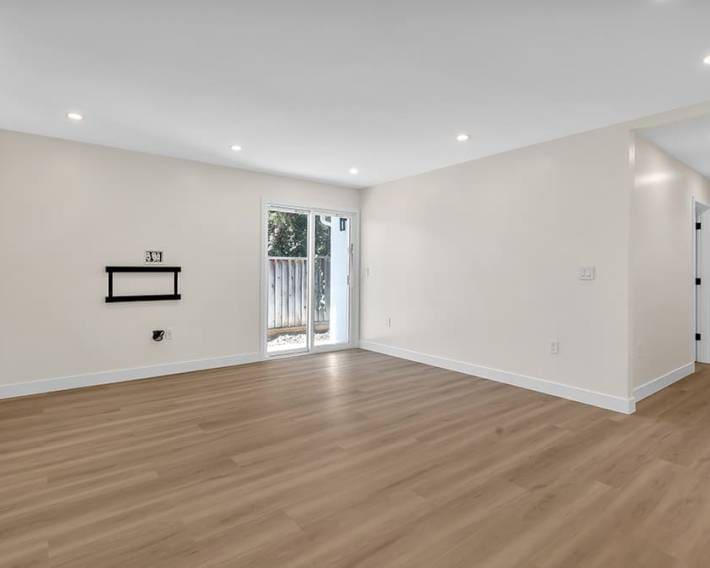
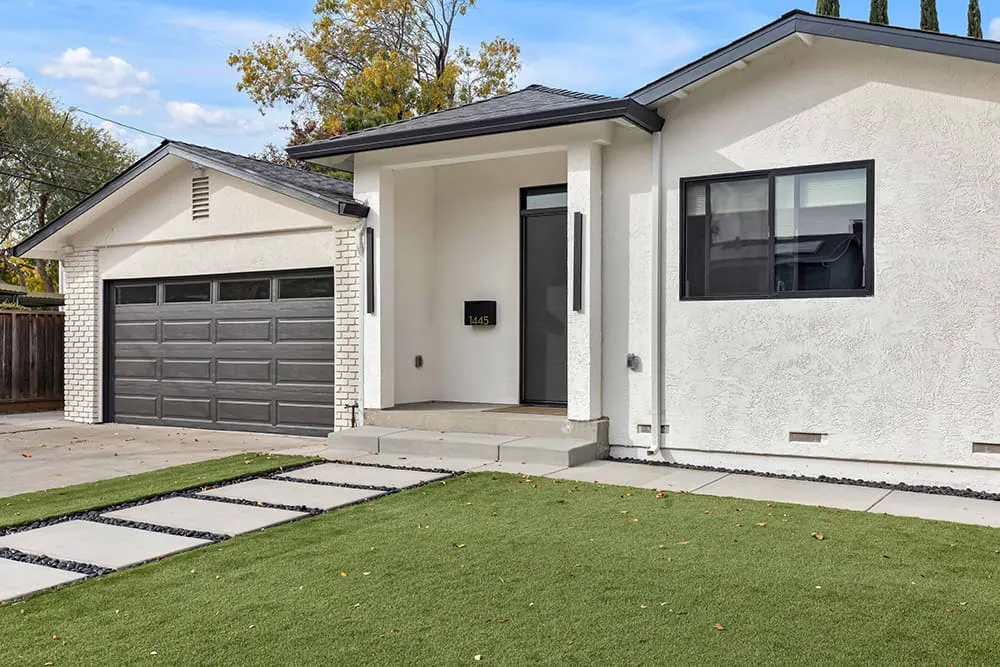
In San Jose getting a reliable and trustable home remodeler can be daunting task, but not when you have Lecut Construction.
They had a plan for the remodel and they implemented it in a professional manner.
People Also Ask
The average cost to build a 12x12 (144 sq ft) deck ranges from $5,760 to $14,400, with a typical cost around $10,000. This wide range is due to material choices, labor, design complexity, and geographic location. Using pressure-treated pine, the most economical option, costs approximately $15 to $25 per square foot for materials and labor, putting a basic deck at the lower end of the range. Composite decking, which is low-maintenance and durable, raises the cost to $30 to $45 per square foot, placing projects at the higher end. Additional costs include railings, stairs, built-in seating, and permits. It is crucial to obtain detailed quotes from licensed contractors, as proper foundation work and adherence to local building codes are essential for safety and longevity.
The cost for a 1,000 sq ft deck varies widely based on materials, design, and location, but a general range is between $15,000 and $40,000. A basic pressure-treated pine deck typically starts around $15-$25 per square foot, putting the project at the lower end of that range. For composite decking, expect $30-$45 per square foot, potentially raising the total to $35,000 or more. These figures include labor, which is a significant portion of the cost. Key factors that increase price include complex designs with multiple levels, high-end railings, built-in seating, lighting, and permits. Always obtain multiple detailed quotes from licensed contractors, ensuring they account for site preparation, code compliance, and material quality.
The 3/4/5 rule is a fundamental principle in deck building for ensuring a structure is square. It is based on the Pythagorean theorem, where a triangle with sides measuring 3 feet, 4 feet, and 5 feet will have a perfect 90-degree angle between the 3-foot and 4-foot sides. To apply it, you first establish the ledger board against the house. Then, from the corner, measure and mark 3 feet along the house and 4 feet out along a temporary perpendicular line. When the diagonal distance between these two marks is exactly 5 feet, the corner is perfectly square. This method is a critical step before securing the outer joists and beams, as a square frame is essential for proper decking installation, railing alignment, and overall structural integrity.
The cost comparison between building and buying a deck depends on several factors. Building a deck yourself can be cheaper upfront if you have the necessary skills, tools, and time, as you save on labor costs, which typically constitute a significant portion of a professional installation. However, this requires a high level of DIY proficiency to ensure structural integrity and code compliance. Buying a pre-fabricated deck kit or hiring a professional contractor involves higher initial costs but offers advantages like speed, warranties, and guaranteed quality, reducing long-term maintenance risks. Material choice (composite vs. wood) and deck complexity greatly influence final costs. For most homeowners, obtaining multiple quotes from licensed contractors and comparing them to a detailed DIY material list is the best way to make an informed financial decision.