

Experienced team creating clean finishes and delivering steady updates.


I recently found myself locked out of my house late at night, and it was a terrible experience. I called an emergency locksmith, and a technician came to my location in an incredibly short period of time, less than 20 minutes. He was very professional and polite. He quickly unlocked me into my house without causing any damage. The service was excellent, and the charges were reasonable for the emergency.


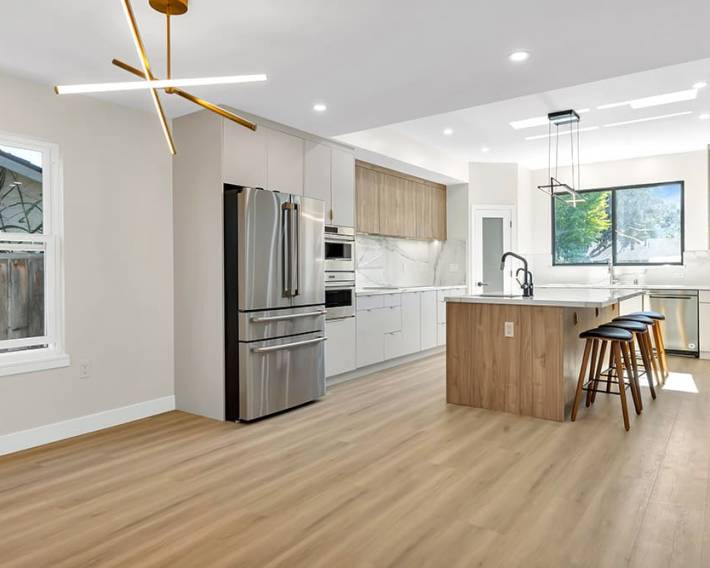
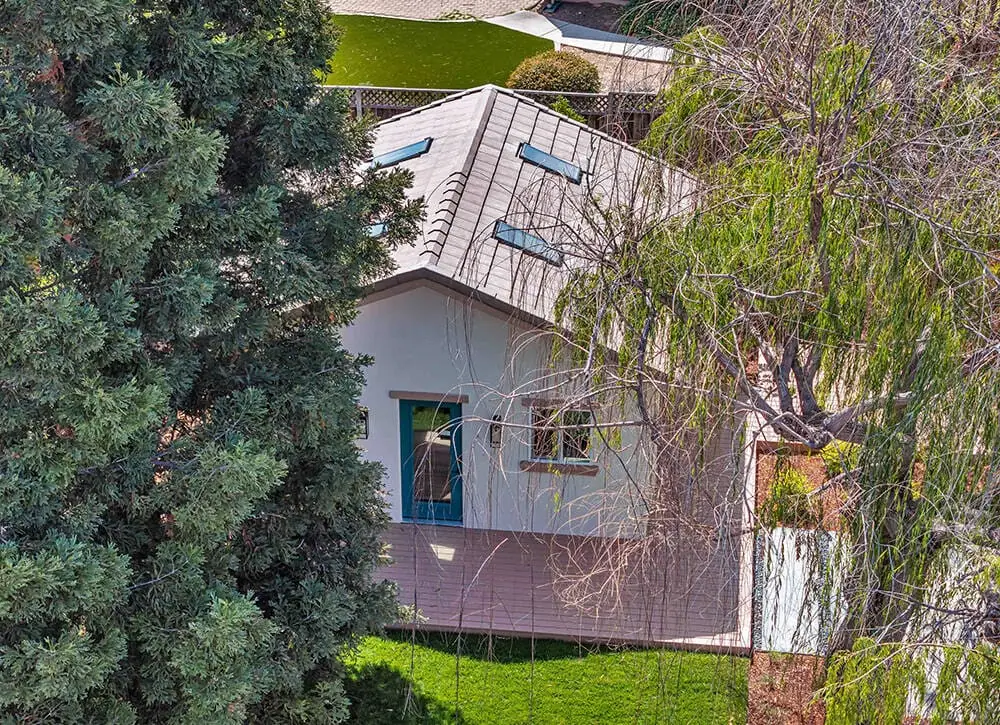
In San Jose getting a reliable and trustable home remodeler can be daunting task, but not when you have Lecut Construction.
They had a plan for the remodel and they implemented it in a professional manner.
People Also Ask
The 3/4/5 rule is a fundamental principle in deck building for ensuring a structure is square. It uses the Pythagorean theorem, where a triangle with sides of 3 feet, 4 feet, and 5 feet will have a perfect 90-degree angle. To apply it, first establish the ledger board against the house. From one corner, measure 3 feet along the ledger and mark it. From the same corner, measure 4 feet out along a temporary perpendicular line for the deck's front. The diagonal distance between these two marks must be exactly 5 feet. Adjust the layout until this measurement is perfect, guaranteeing your deck frame is square before securing the rim joists. This simple, accurate method is a cornerstone of professional construction, preventing structural and finishing issues.
The cost of building a deck varies widely based on size, materials, and complexity. A basic pressure-treated wood deck typically ranges from $15 to $25 per square foot, while composite decking can cost $30 to $45 per square foot. Factors like multi-level designs, built-in seating, railings, and permits significantly influence the final price. For a standard 12x16-foot deck, homeowners might spend between $4,500 and $12,000. It's crucial to get detailed quotes from licensed contractors and factor in long-term maintenance costs. For a comprehensive guide on planning and budgeting, including material comparisons, refer to our internal resource Deck Building.
The cost to build a 12x12 deck varies widely based on materials, labor, and location. On average, you can expect a total between $5,000 and $12,000. A basic pressure-treated wood deck often starts around $5,000 to $8,000. Composite decking, which is more durable and requires less maintenance, typically ranges from $10,000 to $12,000 or more. These estimates include materials and professional labor. Additional costs arise for features like built-in seating, railings, stairs, or elevated foundations. Always obtain multiple detailed quotes from licensed contractors, as regional material costs and building code requirements significantly impact the final price. Proper planning and a clear contract are essential.
The choice between 2x8 and 2x10 for deck framing depends on your deck's design and load requirements. For a standard residential deck, the primary factor is the joist span—the distance between supporting beams. A 2x8 joist, typically made of SPF #2 grade, can span up to approximately 12 feet for a live load of 40 PSF. A 2x10 joist of the same grade can span up to about 15 feet. Therefore, if your beam spacing is greater than 12 feet, 2x10s are necessary. Always consult local building codes, which govern maximum allowable spans and may require closer spacing or larger lumber for specific designs or snow load areas. Using larger lumber (2x10) also increases rigidity and reduces bounce.
Deck building plans are essential for any successful outdoor project, starting with a detailed design that complies with local building codes and permits. A solid plan includes accurate measurements, material specifications, and structural details for footings, posts, beams, joists, and decking. It must account for load requirements, proper spacing, and safety railings. Using pressure-treated lumber or composite materials is common for durability. Professional plans often incorporate drainage considerations and aesthetic elements like stairs or built-in seating. Always consult or hire a licensed professional to ensure the design meets all safety standards and longevity expectations, turning your vision into a secure and functional outdoor living space.
Building a competitive Magic: The Gathering deck requires a solid understanding of the game's fundamentals and current meta. A strong strategy begins with a clear win condition, whether it's aggressive creature combat, controlling the board, or assembling a specific combo. The mana base is critical; ensure you have the right balance of lands and mana sources to consistently cast your spells on curve. Include a mix of core cards for your strategy and flexible answers to handle popular opposing decks. For a deeper dive into foundational principles that apply to both TCGs and physical structures, you can explore our internal resource on Deck Building. Remember, thorough playtesting and iterative adjustments are key to refining any successful build.
Deck building games are a popular genre of tabletop and digital games where players start with a basic set of cards and gradually acquire new ones to create a more powerful and synergistic deck. The core mechanic involves using resources to purchase cards from a shared market, which are then added to your personal discard pile and eventually shuffled into your draw deck. This creates a dynamic and evolving gameplay experience where strategic planning and adaptability are key. Successful deck building requires balancing card acquisition with efficient deck cycling, aiming to create powerful combos while minimizing unproductive cards. The genre emphasizes strategic depth and replayability, with each game session offering a unique puzzle to solve as the available card pool changes.