Skip to content Skip to footer

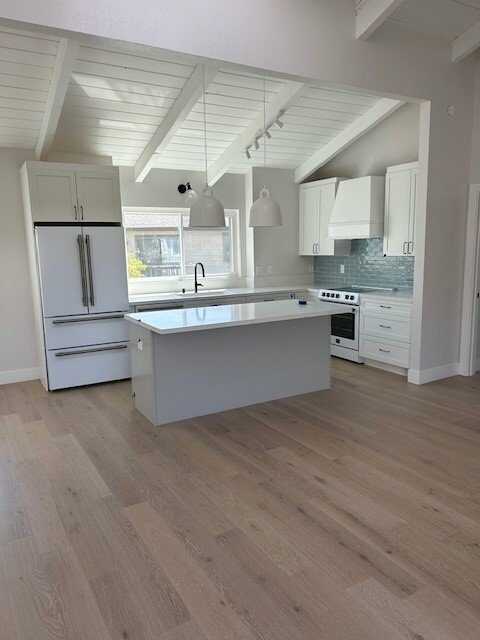
Family Room and Kitchen

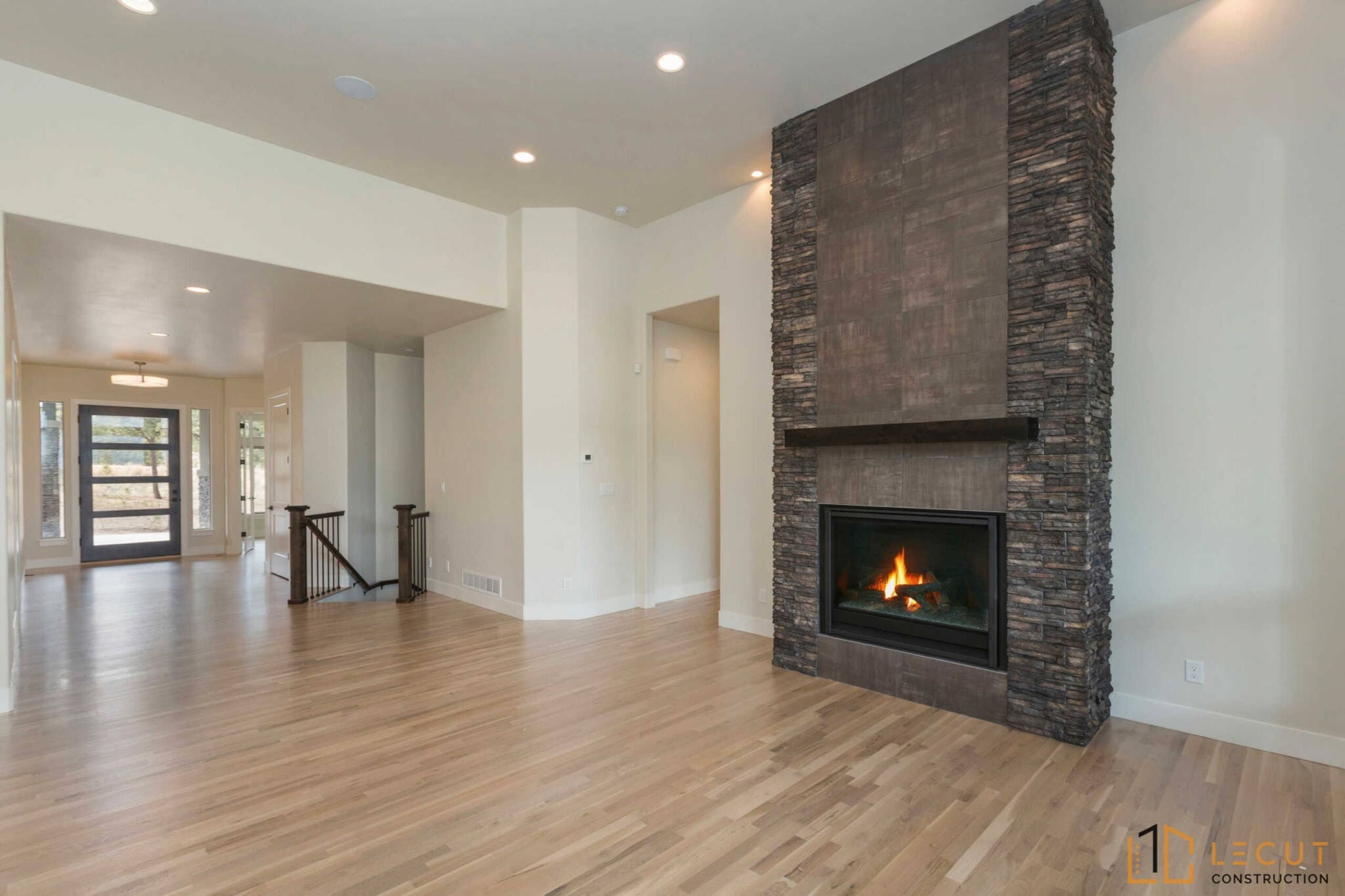
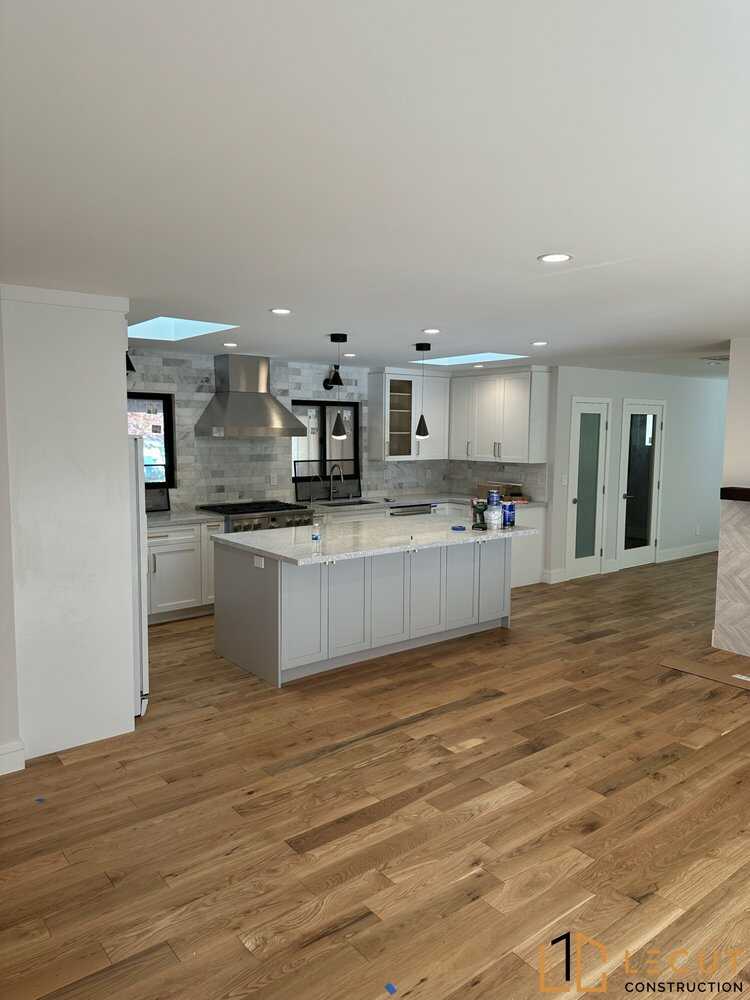
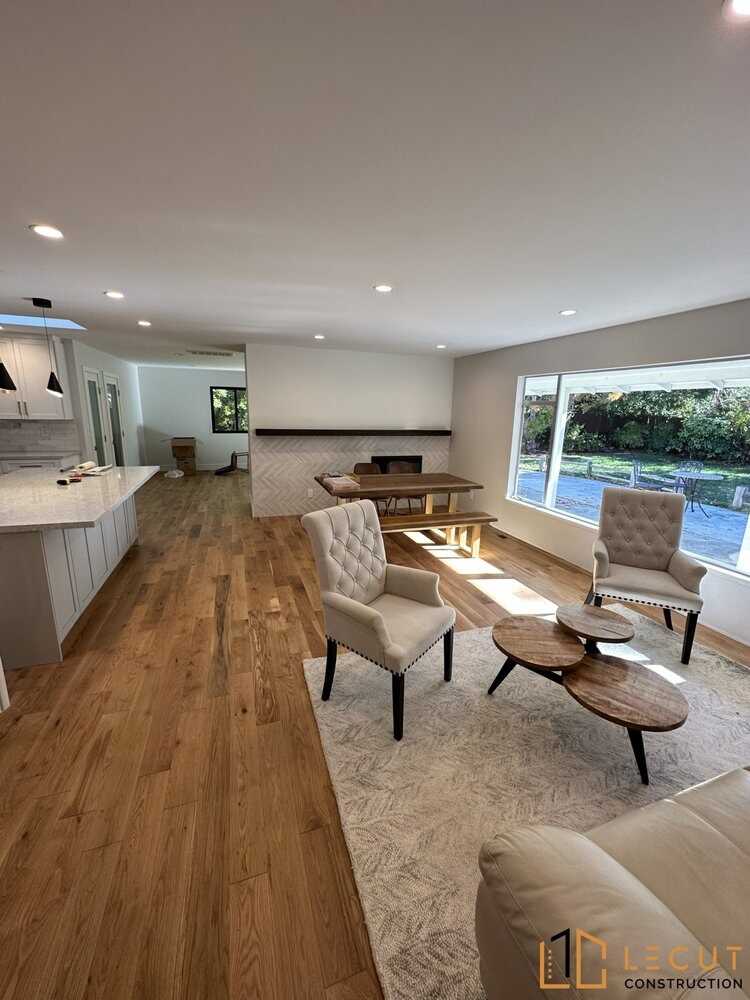
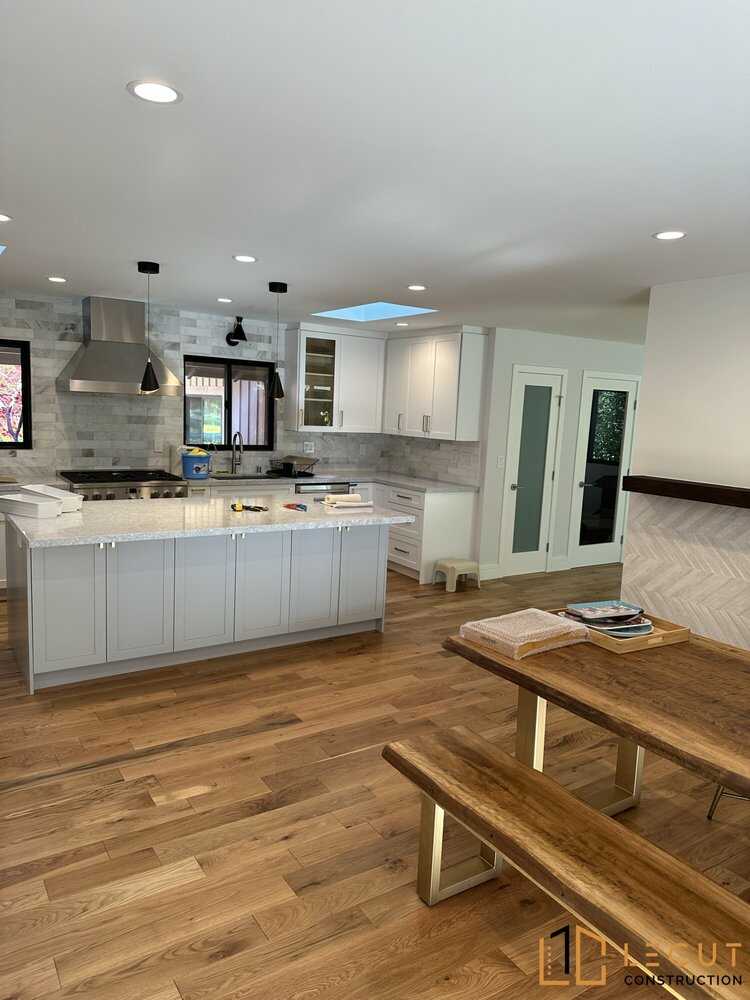
Cabinets Counters Lighting Perfectly Aligned​

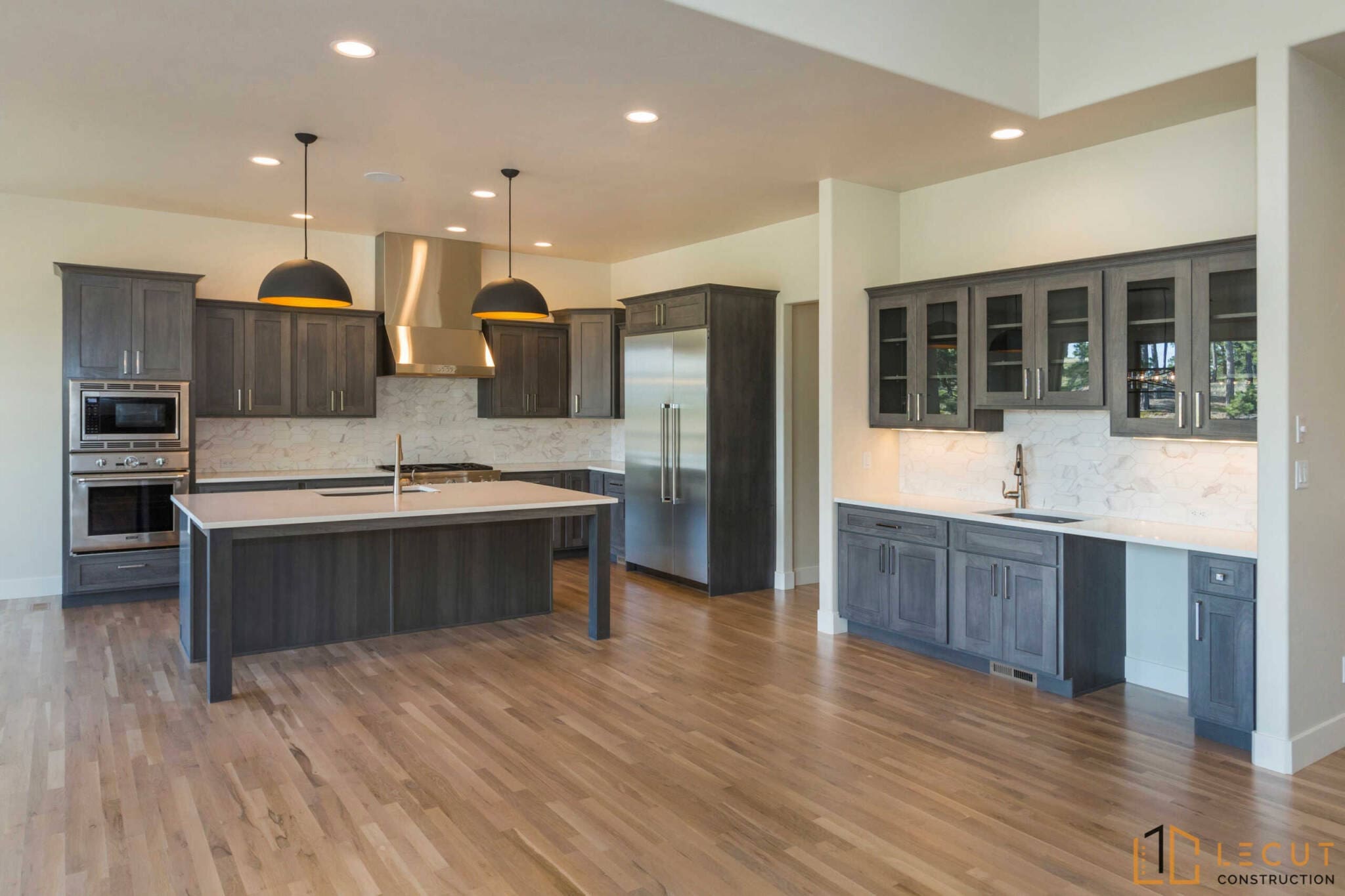
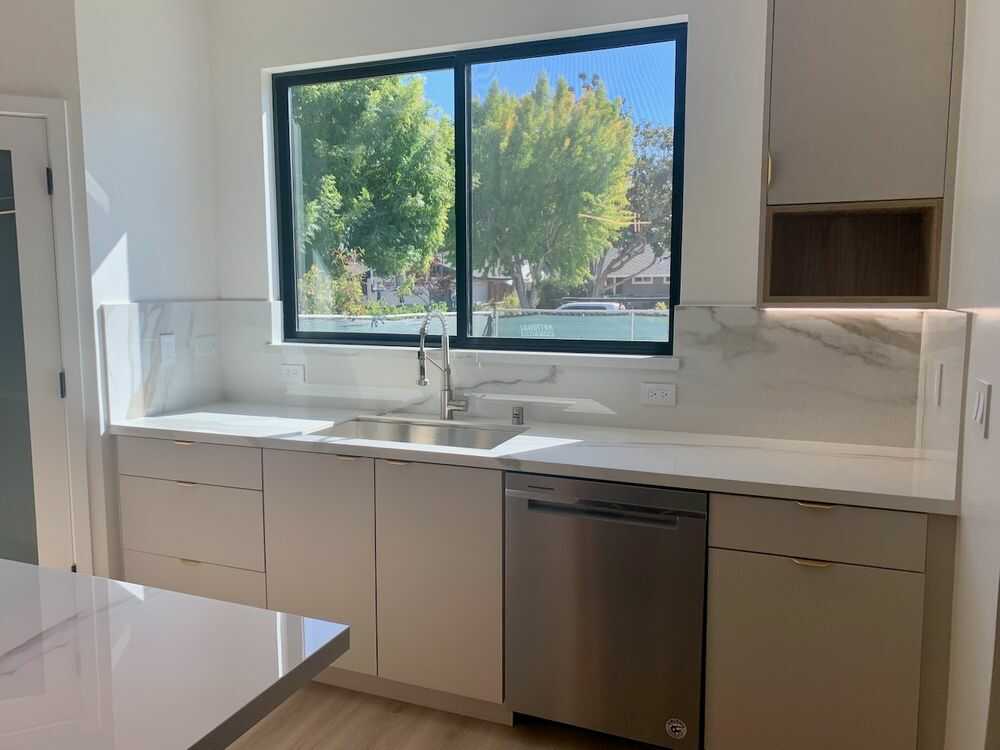
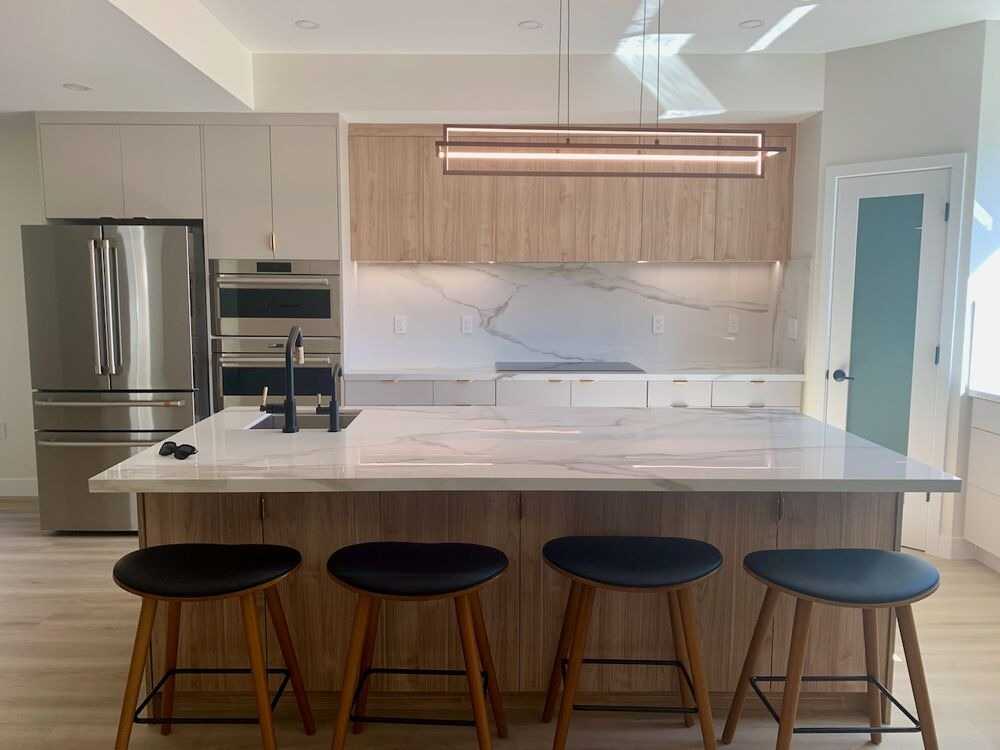
Every kitchen starts with how you cook, gather, and move through the room. We map workflow, storage, and lighting, then shape a layout that feels open and efficient. We specify durable and beautiful materials from cabinetry and worktops to tile and fixtures. We coordinate electrical, plumbing, ventilation, and appliance details for a precise fit. Permits, scheduling, and budget are handled transparently while we protect your home each day. Browse our gallery for ideas and recent projects before we plan yours.

 
Ready to Transform Your Home

Start Your Journey Today

Your dream home starts with the right team. We design and build with care, precision and a passion for creating spaces that feel timeless, functional and welcoming.

Related Articles

People Also Ask

The sufficiency of a $10,000 budget for a kitchen remodel depends heavily on the project's scope and location. For a minor cosmetic update, such as painting cabinets, installing a new backsplash, updating hardware, and replacing a faucet or light fixtures, $10,000 can be adequate. However, for a full renovation involving new custom cabinetry, high-end appliances, countertops, flooring, and layout changes, this budget is typically insufficient. Professional labor costs alone can consume a significant portion. To maximize this budget, prioritize refinishing over replacing, consider ready-to-assemble cabinets, shop for mid-range appliances during sales, and handle some demolition or painting tasks yourself if you are skilled. Careful planning and a focus on key visual updates can yield a refreshed space within this constraint.

The 2/3 rule for living rooms is a fundamental interior design guideline for selecting the correct area rug size. It states that the rug should be large enough so that at least the front two-thirds of all major furniture pieces (like sofas and armchairs) can rest comfortably on it. This creates a cohesive, anchored look that defines the seating area. A rug that is too small makes the space feel disjointed. For a standard sofa, this often means a rug that is 8x10 feet or larger. The rule ensures the rug acts as a unifying foundation, promoting visual harmony and a sense of proportion in the room's layout.

The 60 30 10 rule is a classic interior design principle for creating a balanced and harmonious color palette in a kitchen. It dictates that 60% of the room should be a dominant color, typically used on walls, cabinetry, or large flooring areas. This forms the foundational backdrop. Then, 30% should be a secondary color, applied to elements like an island, backsplash, or window treatments to add visual interest and contrast. The final 10% is an accent color, used sparingly on decor, hardware, small appliances, or bar stools to inject personality and vibrancy. This structured approach ensures a cohesive, professional look that is both aesthetically pleasing and easy to implement.

The 3x4 kitchen rule is a fundamental design principle for efficient and safe kitchen layouts. It refers to the ideal positioning of the three primary workstations—the sink (cleaning), the refrigerator (storage), and the stove (cooking)—to form the points of a triangle. The total perimeter of this triangle should be between 12 and 26 feet, with each leg being between 4 and 9 feet. This 4 to 9 foot range is often summarized as the "3x4" concept, emphasizing that no single side should be shorter than 4 feet to prevent a cramped workspace or longer than 9 feet to minimize excessive steps. Adhering to this rule minimizes unnecessary movement, creates a logical workflow, and enhances safety by keeping traffic out of the main cooking zone.

For family room and kitchen ideas, focus on creating an open, functional, and inviting space that serves as the home's hub. An open floor plan is a top trend, removing walls to enhance flow and natural light. In the kitchen, consider a large island with seating, durable quartz countertops, and smart storage solutions like deep drawers and pantry pull-outs. For the family room, prioritize comfortable, stain-resistant seating arranged to facilitate conversation and media viewing. Use cohesive materials like hardwood or luxury vinyl plank flooring throughout both areas to unify the space. Incorporate ample task and ambient lighting, and add personal touches with a cohesive color palette and built-in shelving for display and storage.

Creating a cohesive family room and kitchen decor involves balancing style with functionality. Choose a unified color palette that flows between both spaces, such as neutral tones with warm accents. In the kitchen, prioritize durable, easy-to-clean materials like quartz countertops and ceramic tile backsplashes. For the family room, invest in comfortable, stain-resistant upholstery and ample, layered lighting. Incorporate shared design elements, like matching wood finishes or consistent hardware, to visually connect the areas. Smart storage solutions, such as built-in shelving and organized cabinetry, are essential to maintain a clutter-free environment. Finally, add personal touches with artwork and textiles to create a welcoming atmosphere for daily living and entertaining.

Angi
Google
Yelp

Overall Rating

5.0
★★★★★

136 reviews