

Destiny Aburto Meza January 19
Experienced team creating clean finishes and delivering steady updates.


Naomi Brooks January 19
I recently found myself locked out of my house late at night, and it was a terrible experience. I called an emergency locksmith, and a technician came to my location in an incredibly short period of time, less than 20 minutes. He was very professional and polite. He quickly unlocked me into my house without causing any damage. The service was excellent, and the charges were reasonable for the emergency.


Paul Merson December 31
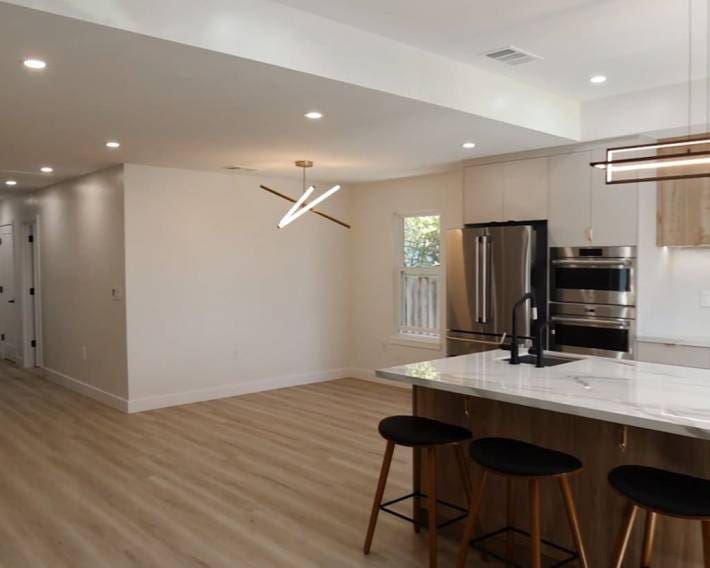
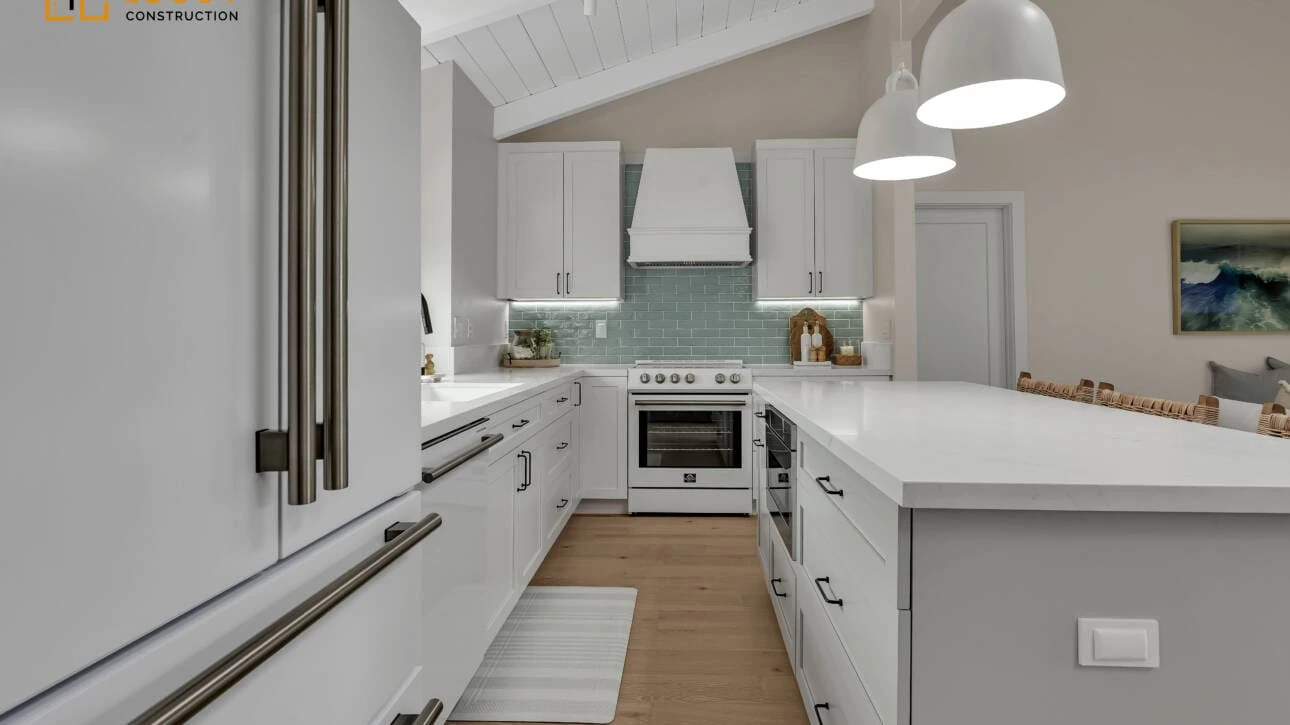
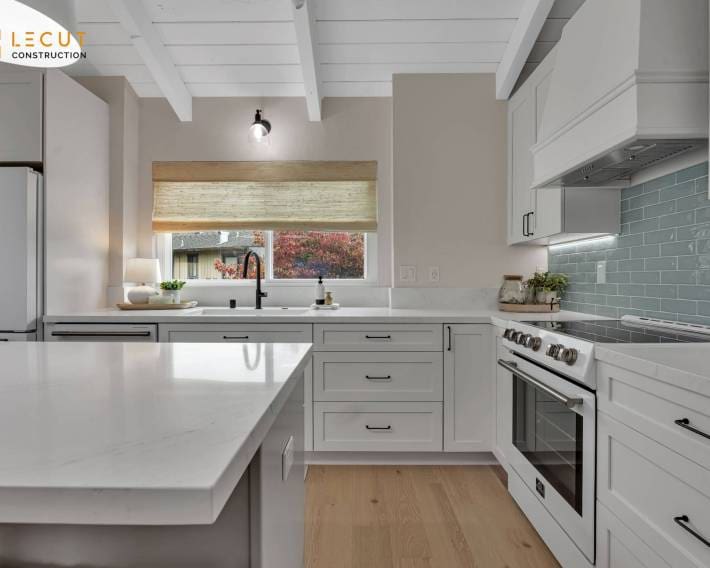
In San Jose getting a reliable and trustable home remodeler can be daunting task, but not when you have Lecut Construction.
They had a plan for the remodel and they implemented it in a professional manner.
People Also Ask
The 30% rule in remodeling is a widely used budgeting guideline that suggests homeowners should not spend more than 30% of their home's current market value on a major renovation project. This rule helps prevent over-improvement, where the cost of the remodel significantly exceeds the value it adds to the property, making it difficult to recoup the investment upon sale. For example, if a home is worth $400,000, the recommended remodeling budget would cap at around $120,000. This is a conservative benchmark to ensure financial prudence. However, it's a general rule of thumb; the ideal budget can vary based on the local real estate market, the specific type of renovation, and how long the owner plans to stay in the home. Always consult with a professional appraiser or contractor for a project-specific assessment.
A full remodel is a comprehensive renovation that transforms a space down to its structural elements. It typically involves stripping the interior to the studs, allowing for significant changes to the floor plan, electrical, plumbing, and HVAC systems. This scope includes installing new drywall, flooring, windows, doors, and all finishes like cabinetry, countertops, and fixtures. It addresses both aesthetics and underlying infrastructure, ensuring everything meets current building codes. Unlike a cosmetic update, a full remodel offers the opportunity to reconfigure the layout for improved flow and functionality, essentially creating a new interior within the existing shell. Proper planning with architects and contractors is essential for managing this complex, multi-phase process.
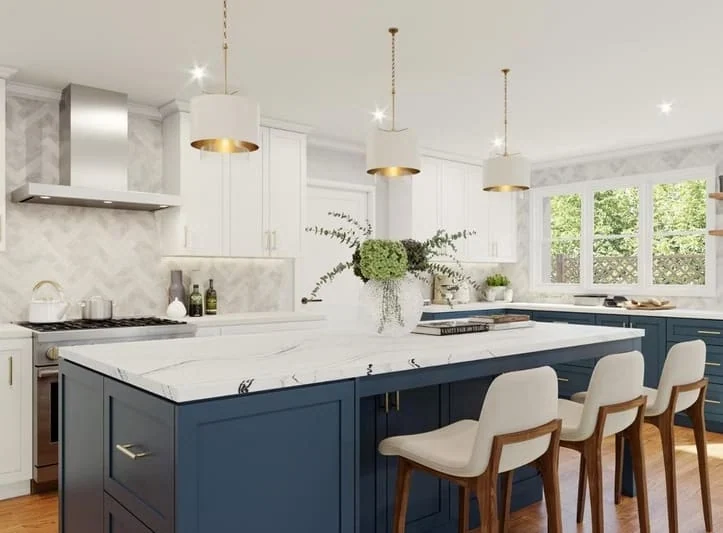
The budget for a remodeling project varies widely based on scope, location, and quality of materials. A reasonable starting point is to allocate 10-20% of your home's current value for a major renovation, such as a kitchen or bathroom. For a mid-range kitchen remodel, national averages often fall between $25,000 and $50,000, while a bathroom can range from $10,000 to $25,000. It is crucial to obtain multiple detailed quotes from licensed contractors. Always include a contingency fund of 10-20% of the total budget for unexpected issues, which are common in remodeling. Prioritize structural and mechanical updates before cosmetic finishes to ensure long-term value and safety.
The sufficiency of $100,000 for a home renovation depends heavily on the project's scope, location, and home size. For a targeted, high-impact update like a kitchen or bathroom remodel in a moderate-cost area, this budget can be ample, allowing for quality materials and professional labor. However, for a whole-house renovation, including structural changes, new systems (electrical, plumbing, HVAC), and finishes, $100,000 may be stretched thin, especially in high-cost regions or for larger homes. Key to success is meticulous planning: obtain multiple detailed quotes, prioritize needs over wants, allocate a 10-20% contingency for unforeseen issues, and consider phased work if the full vision exceeds the initial budget. Professional guidance from a contractor during the planning phase is crucial to align expectations with financial reality.