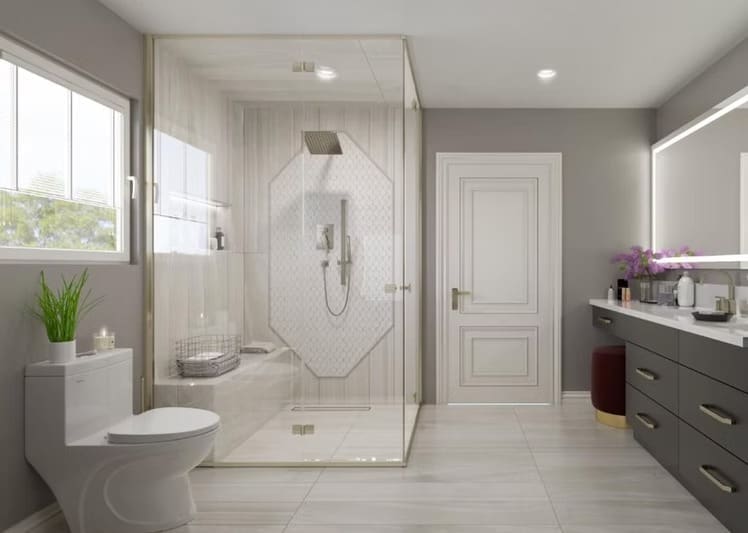
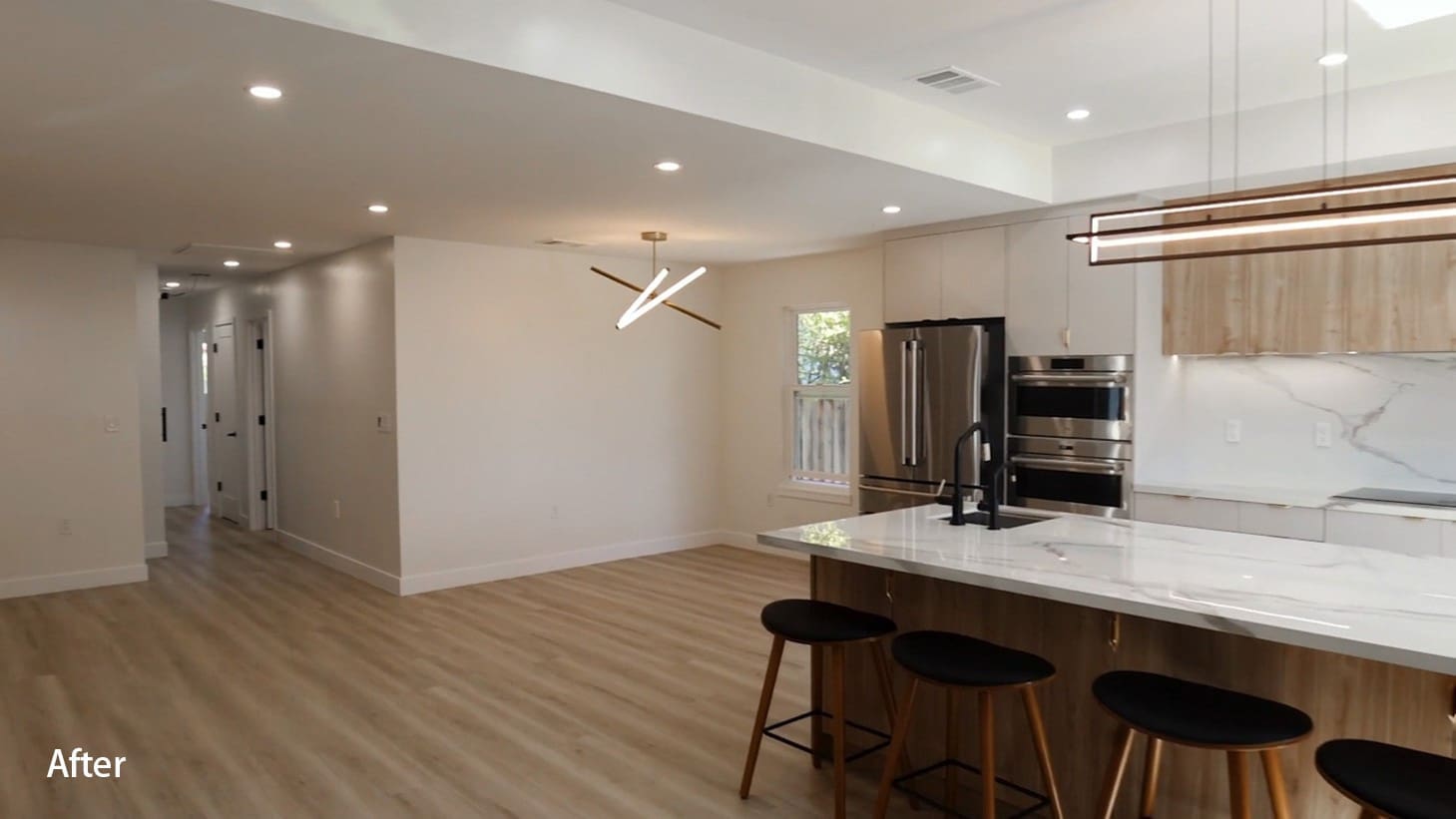
We’ve all been there. You walk into a beautifully remodeled kitchen in San Jose, everything looks perfect—new cabinetry, quartz countertops, top-of-the-line appliances—and then you fumble for a light switch in the dark because the smart lighting system was never actually wired into the renovation plan. That disconnect between luxury finishes and functional home automation is far too common, and it’s something we see almost weekly in our line of work. If you’re planning a high-end remodel in the Bay Area, the single most important decision you’ll make isn’t about marble or tile—it’s about whether your home’s brain can keep up with its body.
Key Takeaways
- Smart home integration must be planned before drywall goes up, not after.
- Luxury remodeling without automation often leads to costly retrofits later.
- Local San Jose regulations and climate (think heatwaves and PG&E rates) directly impact which systems make sense.
- Not every smart device is worth the investment; trade-offs exist between convenience, cost, and long-term reliability.
Table of Contents
The Real Cost of Waiting on Automation
Most homeowners we talk to at LeCut Construction in San Jose, CA start their renovation journey focused on aesthetics. They want the open floor plan, the waterfall island, the custom millwork. Automation is an afterthought—something they assume can be added later with a few smart plugs and a voice assistant. That assumption is expensive.
We’ve pulled out brand-new drywall more times than we’d like to admit because someone decided halfway through the project that they wanted motorized shades or a centralized lighting control system. Running low-voltage wiring after the walls are closed is a messy, invasive process that doubles labor costs and risks damaging the finishes you just paid a fortune for. The smarter approach is to pull all your control wiring—Cat6, speaker wire, shade power, sensor cables—during the rough-in phase, even if you don’t plan to activate every system immediately. It’s cheap insurance.
What Actually Matters in a Connected Luxury Home
Not all automation is created equal, and not every gadget belongs in a high-end remodel. After years of installations and troubleshooting, here’s where we see the most value for San Jose homeowners.
Lighting Control: The Non-Negotiable
If you only automate one thing, make it lighting. It’s the most used system in any home, and it has the biggest impact on ambiance and energy savings. We prefer wired systems like Lutron RadioRA 3 or Crestron for new remodels because they’re rock-solid reliable. Wireless systems work fine for retrofits, but in a luxury renovation where you’re already opening walls, running a single low-voltage wire to each switch location is trivial. The result? No latency, no Wi-Fi interference, and no batteries to change.
Climate and Energy Management
San Jose’s microclimate is weird. You can have 90-degree afternoons in the summer and chilly 50-degree evenings in the same day. A good automation system ties your HVAC, motorized blinds, and ceiling fans together to respond automatically. For example, when the indoor temperature hits a threshold, the shades close on the west-facing windows before the AC kicks on. That simple logic saves real money on cooling costs, especially with PG&E rates climbing every year. We’ve seen customers cut their summer electric bills by 15–20% just by integrating shades and thermostats.
Security and Access Control
This is where luxury meets peace of mind. Video doorbells are fine, but a proper system includes hardwired cameras, smart locks that integrate with your alarm panel, and motion sensors that don’t false-trigger because of a pet. We’ve had customers in neighborhoods like Willow Glen or Rose Garden specifically request systems that can be monitored remotely while they travel. The key here is choosing a platform that doesn’t require a monthly subscription for basic functionality. Local storage and local control always win over cloud-dependent systems.
Common Mistakes We See Repeatedly
Overcomplicating the User Interface
We’ve installed systems with seven different apps, three remote controls, and a wall-mounted tablet that nobody ever used. The goal of automation should be simplicity, not complexity. If your spouse or your house sitter can’t figure out how to turn off the lights, you’ve failed. Stick with one or two control platforms that talk to each other. A single keypad at the main entry that controls “Goodbye” and “Goodnight” scenes is worth more than a dozen voice commands.
Ignoring Network Infrastructure
This is the biggest technical mistake. A luxury smart home runs on a solid network. We’ve seen people spend $50,000 on automation hardware and then try to run it on a $100 router from the big-box store. That’s like putting bicycle tires on a Ferrari. Every new remodel we do includes at least two hardwired access points and a dedicated VLAN for IoT devices. If your Wi-Fi goes down, your lights, locks, and shades should still work locally. That requires proper network planning, not just a mesh system slapped together.
Forgetting About Future-Proofing
Technology changes fast. The control system you install today might be obsolete in ten years. That’s okay, as long as the wiring is standard. We always run empty conduit from the main equipment rack to key locations in the house. That way, when the next generation of hardware comes out, you can pull new cables without opening walls. It’s a small cost during construction that saves massive headaches later.
When DIY Makes Sense—And When It Absolutely Doesn’t
We’re not here to bash the DIY crowd. For a single smart bulb or a basic thermostat, go for it. But for a full luxury remodel in San Jose, where you’re dealing with high voltage, low voltage, and integration with structural elements like motorized shades or automated doors, professional installation is the difference between a system that works and a system that annoys you.
We’ve taken over projects where homeowners tried to wire their own lighting control panels. The result was flickering lights, fried dimmers, and a fire hazard that had to be completely rewired. The cost of fixing that mistake was more than the original professional quote would have been. If you’re comfortable with electrical work and have experience with low-voltage systems, you might handle a single room. For a whole-home integration, hire someone who does this every day.
A Real-World Example: The Almaden Valley Project
Last year, we worked on a full gut remodel in the Almaden Valley area. The homeowner originally wanted to skip automation to save budget. We convinced them to at least run the wiring during the rough-in phase. Six months after move-in, they called us back to install motorized shades for their south-facing great room. Because we had already run the power and control wires, the installation took one day instead of a week. They later added a whole-home audio system using the same pre-wired pathways. That’s the value of planning ahead.
San Jose-Specific Considerations
Living in San Jose means dealing with specific realities that affect your automation choices.
Climate and Energy Costs
We mentioned PG&E rates earlier, but it’s worth repeating: California has some of the highest electricity costs in the country. Any automation that reduces energy usage pays for itself faster here than in most other markets. Smart thermostats, occupancy-based lighting, and automated blinds are not luxuries—they’re practical investments. Also, consider battery backup for your control systems. Rolling blackouts during heatwaves are still a thing, and you don’t want your smart locks to stop working when the power goes out.
Local Regulations and Permitting
San Jose requires permits for most electrical work, including low-voltage systems if they’re tied into the main panel. Some automation systems, like those that control life safety equipment (smoke detectors, carbon monoxide alarms), have specific code requirements. We always pull the necessary permits and work with the city’s building department. It adds a bit of time upfront but avoids headaches during resale. A home with unpermitted electrical work can be a nightmare to sell.
Neighborhood Considerations
Older neighborhoods in San Jose, like the Naglee Park or the Shasta-Hanchette area, often have homes with plaster-and-lath walls or limited attic space. Running new wiring in these homes requires careful planning and sometimes creative routing. If you live in an older home, expect the installation to take longer and cost more than a new construction project. It’s worth it, but don’t be surprised if the electrician needs to cut a few access holes.
The Table: Key Automation Systems for Luxury Remodels
| System | Best for | Typical Cost (Installed) | Trade-offs |
|---|---|---|---|
| Wired Lighting Control (Lutron, Crestron) | Whole-home reliability | $3,000–$8,000 | Requires wire runs during construction; higher upfront cost |
| Wireless Lighting (Caseta, Hue) | Retrofits or single rooms | $500–$2,000 | Battery changes, Wi-Fi dependency, less reliable for complex scenes |
| Motorized Shades (hardwired) | Large windows, south/west exposure | $1,500–$4,000 per window | Quietest operation; must plan power during remodel |
| Whole-Home Audio (wired) | Multi-room listening | $2,000–$10,000 | Great sound quality; requires speaker wire and amp rack |
| Smart Thermostat (Ecobee, Nest) | Energy savings | $200–$500 | Easy DIY install; limited integration with other systems without hub |
| Security System (hardwired) | Peace of mind, insurance discounts | $1,000–$5,000 | Monthly monitoring fees; false alarm fines in San Jose |
| Network Infrastructure (APs, switches) | Foundation for all automation | $500–$2,000 | Must plan placement; cheaper to do during construction |
Alternatives Worth Considering
Not every luxury remodel needs a full Crestron system. If you’re on a tighter budget or prefer a more modular approach, consider a hybrid setup. Use wired lighting control for the main living areas and wireless sensors for bedrooms. Or skip the motorized shades and install high-quality manual blinds with smart-compatible wands. The goal is to get 80% of the benefit for 50% of the cost.
Another alternative is to focus on automation that directly improves daily life rather than impressing guests. A smart irrigation controller that adjusts based on San Jose’s drought restrictions saves water and keeps your landscaping healthy. A leak detection system under the kitchen sink and water heater can prevent thousands of dollars in water damage. These are boring investments, but they pay off.
When a Full Smart Home System Might Not Be Right
We have to be honest: not every homeowner needs a fully automated house. If you’re planning to sell the home within a few years, the return on investment for a custom automation system is often less than the cost. Buyers may not value a specific brand or feature set. In that case, focus on the wiring infrastructure and leave the active components for the next owner.
Also, if you’re not tech-savvy and don’t enjoy learning new systems, a simple setup with a few smart devices is better than a complex system that frustrates you. We’ve seen systems go unused because the homeowner found the interface confusing. A well-designed, simple system beats a feature-rich one that nobody touches.
Final Thoughts
Luxury remodeling in San Jose is about creating a home that works as good as it looks. Smart home integration isn’t a separate project—it’s part of the same conversation as the flooring, the cabinetry, and the lighting fixtures. When done right, it fades into the background and just makes life easier. When done wrong, it’s a constant reminder of a missed opportunity.
If you’re planning a remodel, talk to your contractor about automation early. Ask about wiring, network infrastructure, and system compatibility. And if you’re in the Bay Area, pay attention to local climate and energy costs—they’ll guide your choices more than any brochure will. At LeCut Construction in San Jose, CA, we’ve seen the difference that proper planning makes. It’s the difference between a house that looks expensive and a home that feels smart.