

felix korir (Grocerystore) September 25
With kids growing up, we desperately needed a playroom, so we booked Lecut for a garage conversion in Willow Glen. They started three days after our initial call, kept to the exact quote without hidden costs, and wrapped up early.


Joyce September 24
Lecut replaced our worn hardwoods in Los Gatos in two days for the exact upfront price quoted.

Stephen Jones September 24
Building a detached ADU in Cupertino was seamless with Lecut handling all permits and construction. Their strict schedule meant I had a tenant paying rent two weeks earlier than projected.

Claudia Sarmiento September 23
Booking our kitchen remodeling consultation online took under two minutes. The crew showed up at 8 AM sharp in Sunnyvale, stuck to the itemized estimate down to the penny, and finished the installation ahead of deadline.


Gatu Mitchell September 8
Adding a second story addition to our Santa Clara home felt risky until we signed with Lecut. They locked in our contract price before breaking ground, eliminating cost overruns. Their crew worked efficiently, completing structural framing ahead of schedule while keeping the job site spotless.

Florence White September 8
Our rotting porch in Palo Alto was unsafe, but Lecut completed a new composite deck building job in four days flat.
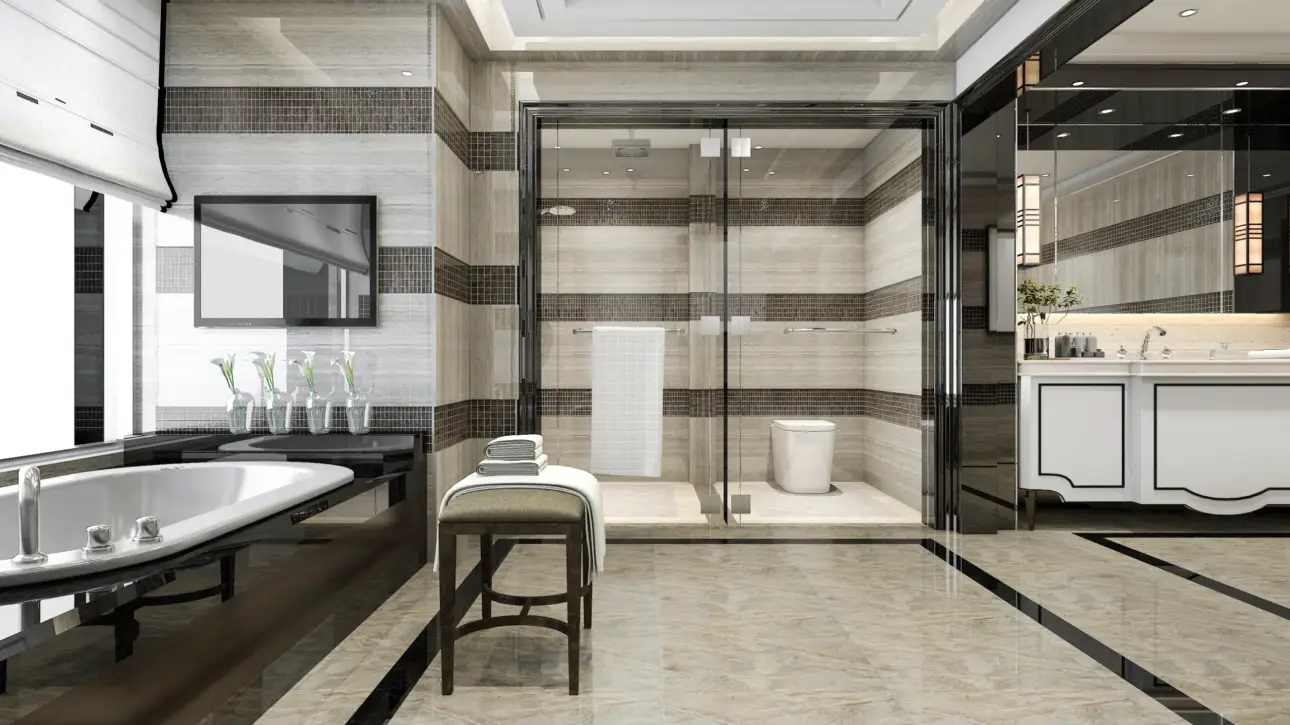
We had a great experience working with Lecut and Yari on our bathroom remodel. Yari was very responsive and easy to communicate with throughout the entire project, and Lecut did a great job with the installation and finishing work.
They were professional, reliable, and always willing to come back and take care of small details when needed. We're very happy with how everything turned out and really appreciate their hard work and attention to detail.

I had a consultation with Yari to discuss a potential home remodel. He spent a great deal of time understanding my goals, brainstorming different layout options, and explaining the pros and cons of each approach. I appreciated that he was thoughtful, patient, and transparent throughout the discussion. He followed up with a detailed summary of our meeting and a realistic preliminary estimate, which helped me make an informed decision. Although I ultimately decided not to move forward with a major remodel, I had a very positive experience working with him and would gladly recommend him to anyone looking for a knowledgeable and professional contractor.
People Also Ask
The 30% rule is a financial guideline suggesting that you should not spend more than 30% of your home's current market value on a single renovation project. This helps ensure you do not over-improve your property for the neighborhood. For example, if your home is valued at $500,000, you would limit a major remodel to $150,000. This rule is most critical for kitchens and bathrooms, which are high-cost areas. For a comprehensive strategy on managing your budget and scope, we recommend reading our internal article titled Whole-House Remodel vs. Piecemeal Approach: The Only Guide You Need (2026). Lecut Construction advises clients to use this rule as a starting point, but your specific goals and local market conditions in San Jose or Santa Clara should also guide your final decision.
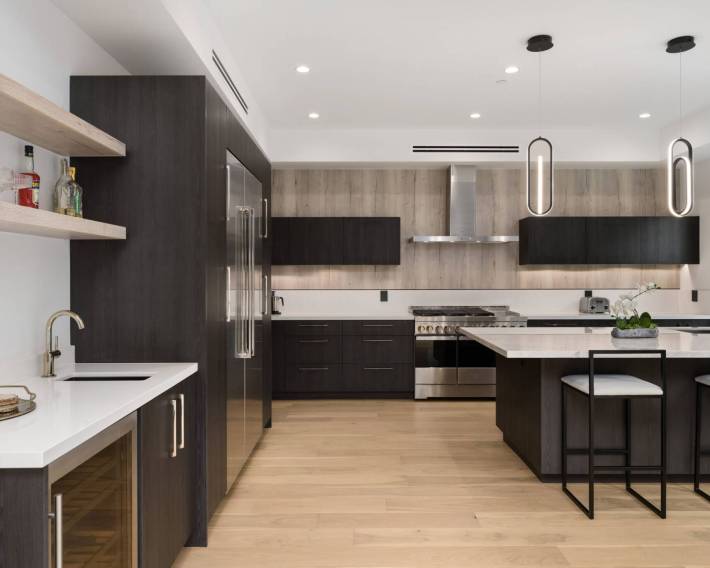
A budget of $200,000 is generally sufficient for a substantial home remodel, though the scope depends heavily on your home's size and the project's complexity. For a mid-sized home in San Jose, this amount often covers a full kitchen and bathroom renovation, new flooring, and interior painting. However, if you are planning a structural overhaul, such as moving walls or a complete second-story addition, costs can escalate quickly. To maximize your investment, we recommend reading our internal article titled Whole-House Remodel vs. Piecemeal Approach: The Only Guide You Need (2026), which compares a whole-house remodel against a piecemeal approach. For professional guidance, Lecut Construction can help you allocate funds efficiently to avoid costly mid-project changes. Always include a 15-20% contingency fund for unexpected structural issues.
A budget of $100,000 can be sufficient for a substantial renovation, but its adequacy depends entirely on the scope of work and your specific goals in San Jose. For a mid-range kitchen remodel, new flooring, or a bathroom update, this amount is often realistic. However, for a full gut renovation including structural changes, new systems, and high-end finishes, costs can quickly exceed this figure. To ensure your investment is sound, we recommend reading our internal article titled How To Future-Proof Your San Jose Home Renovation. This guide provides essential strategies for prioritizing upgrades and managing costs effectively in our local market.
When communicating with your contractor, avoid saying "I can get a cheaper price elsewhere" as it can damage trust and the working relationship. Also, never state "Just do it quickly" as rushing compromises quality and safety standards. Avoid making changes verbally without written approval, as this leads to misunderstandings and extra costs. Do not say "I'll handle the permits myself" unless you are fully licensed, as improper permits can halt your project. Instead, maintain open, respectful dialogue. For guidance on specific exterior upgrades, our internal article titled 'How To Choose The Right Gutters And Downspouts' provides valuable insights. Refer to How To Choose The Right Gutters And Downspouts for detailed professional advice. Lecut Construction emphasizes clear communication to ensure successful project outcomes.