Skip to content Skip to footer

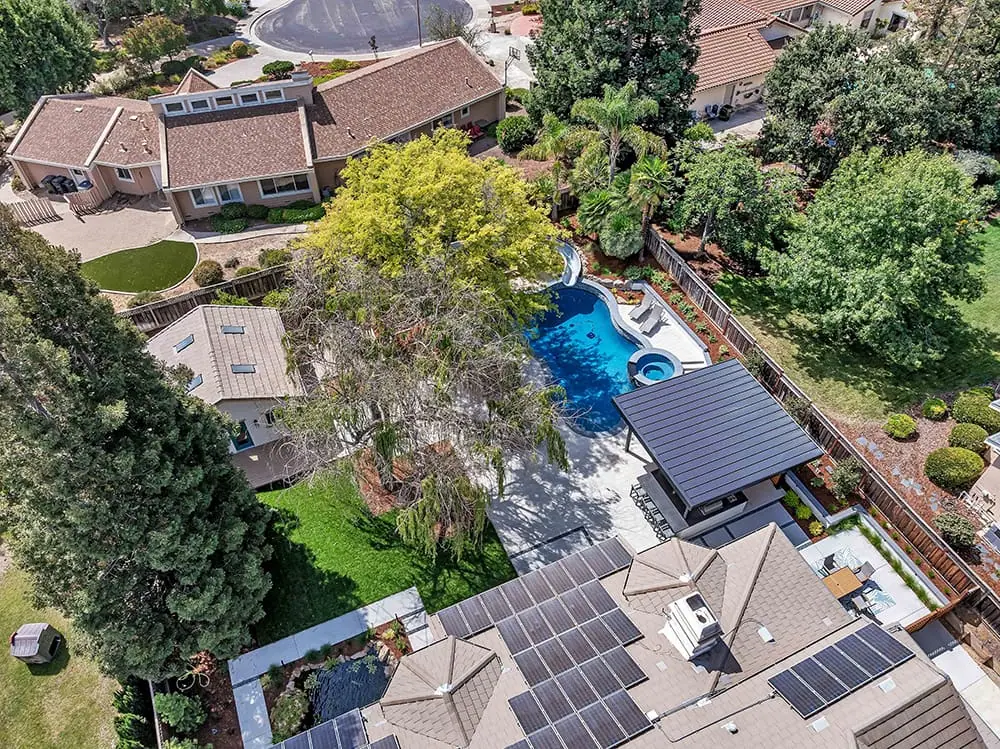
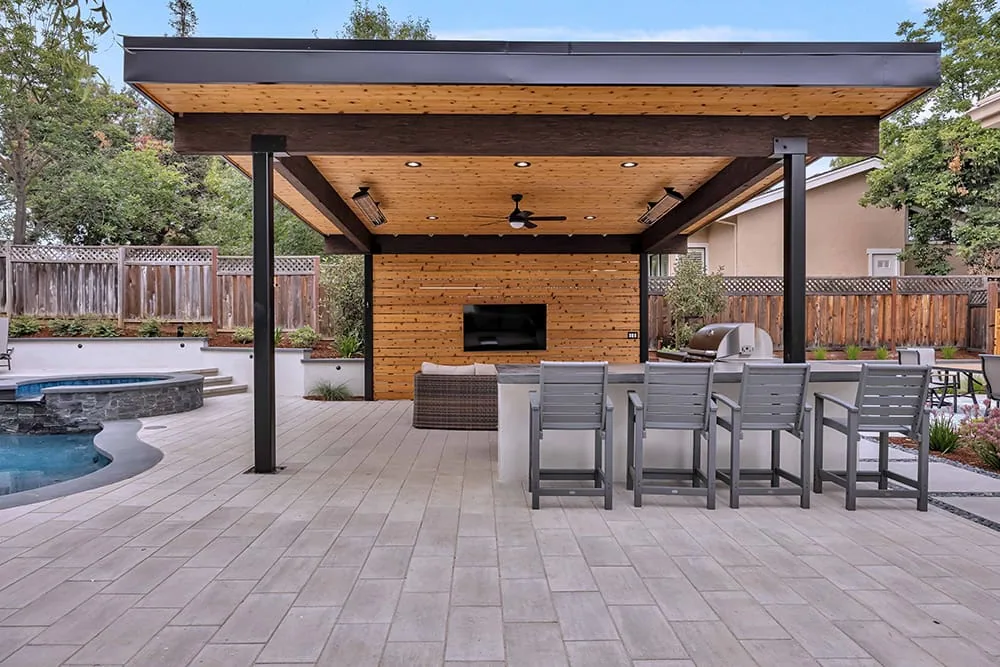
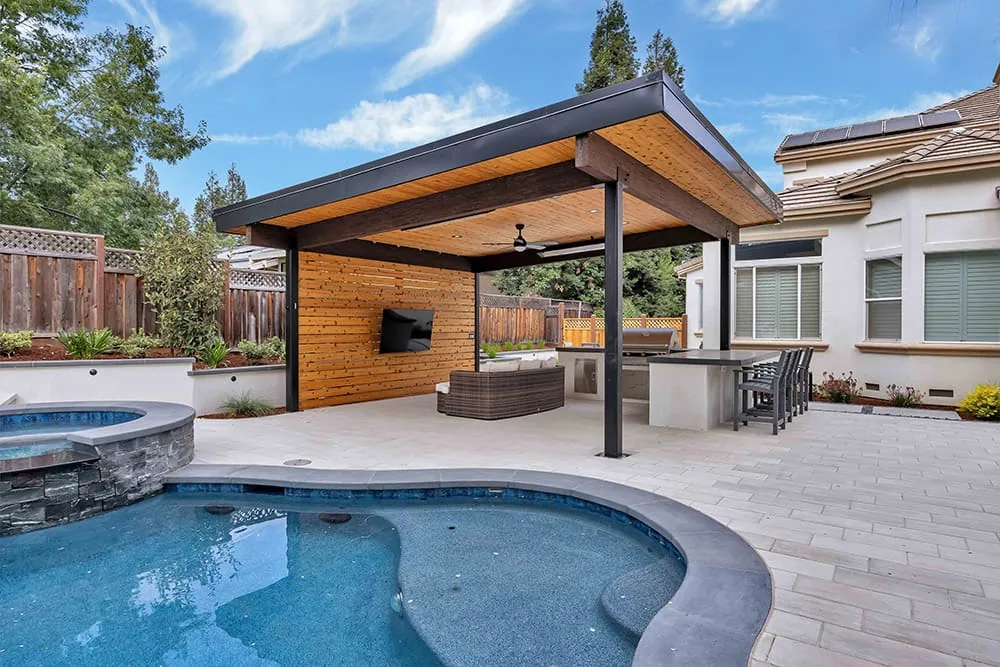
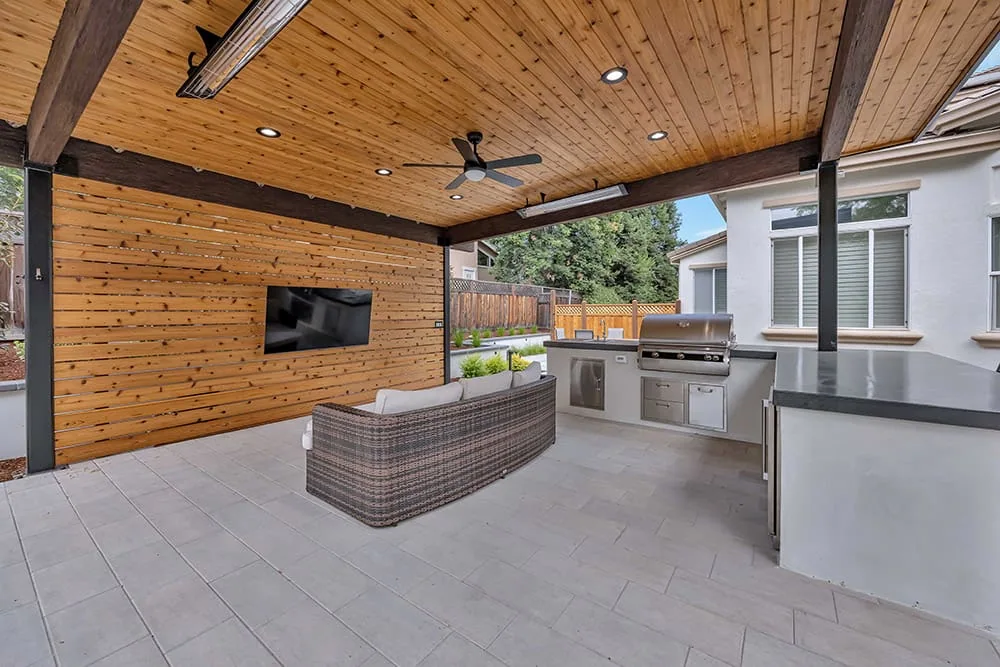
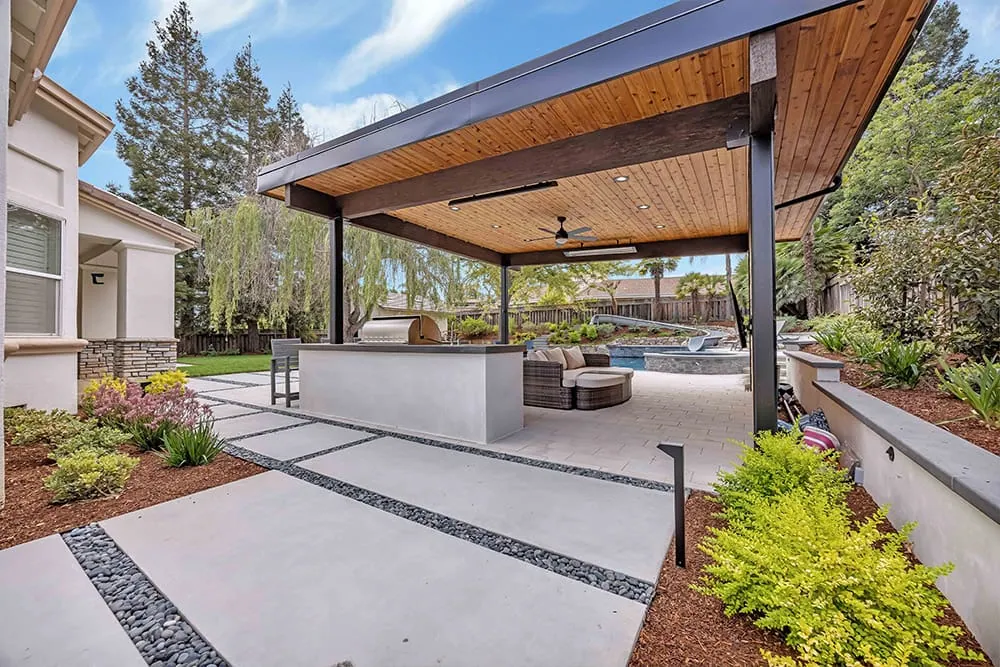
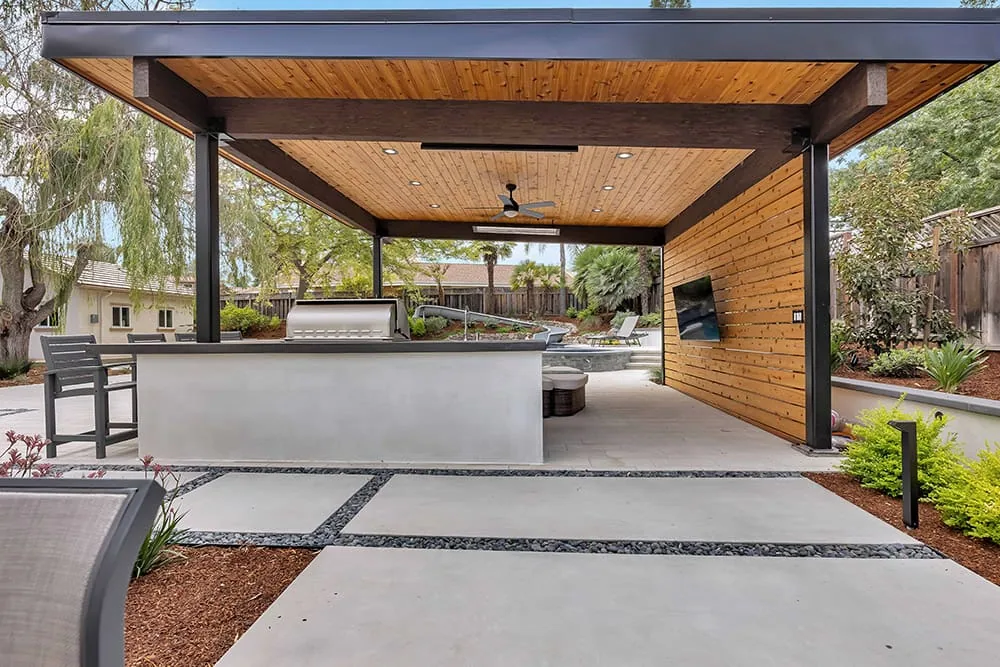
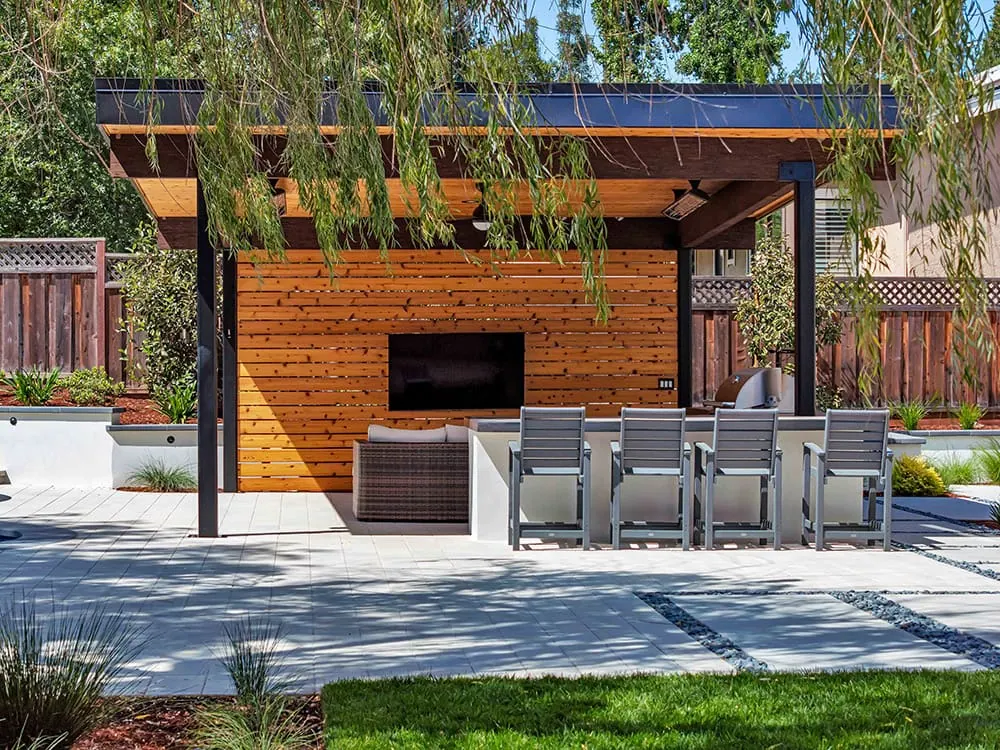
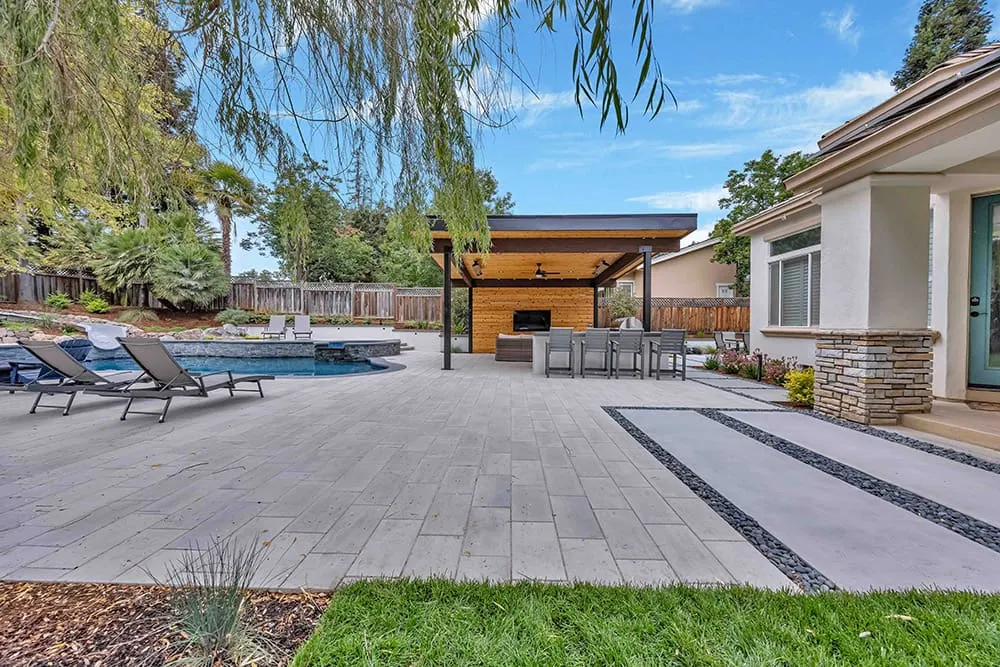
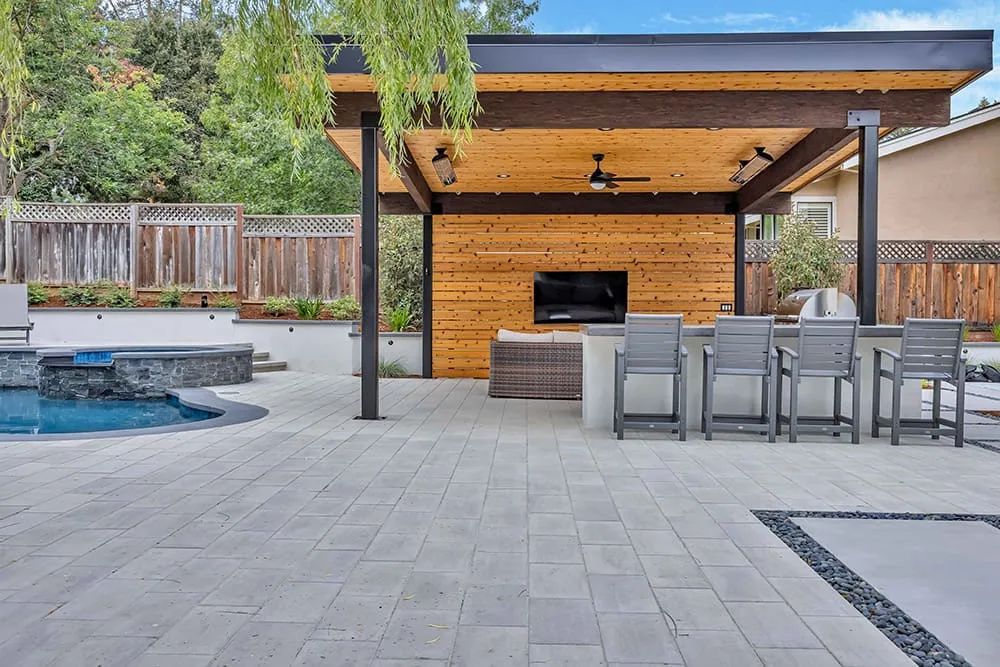
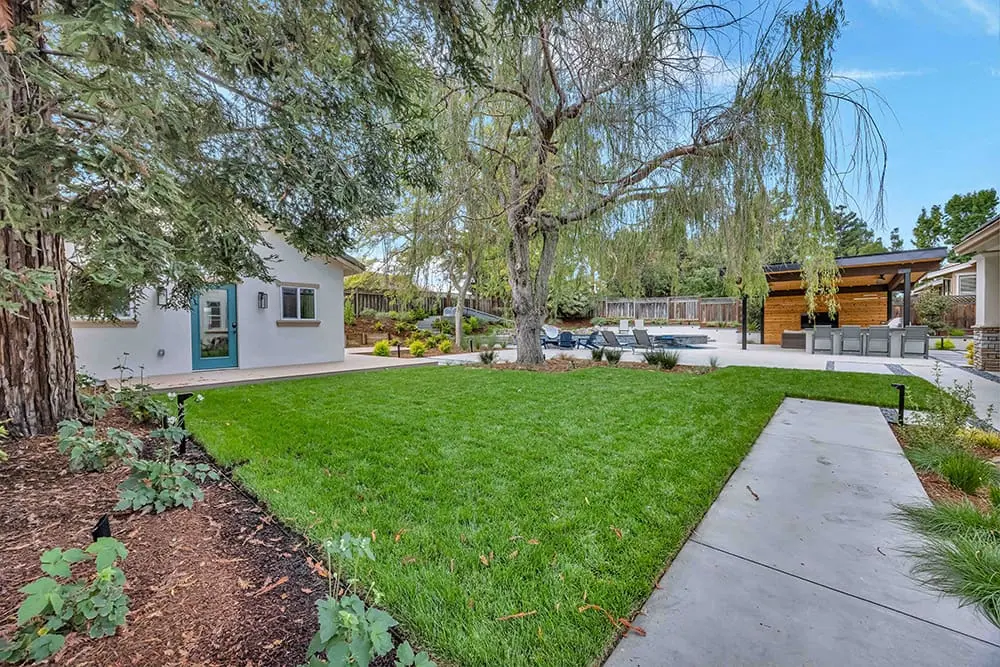
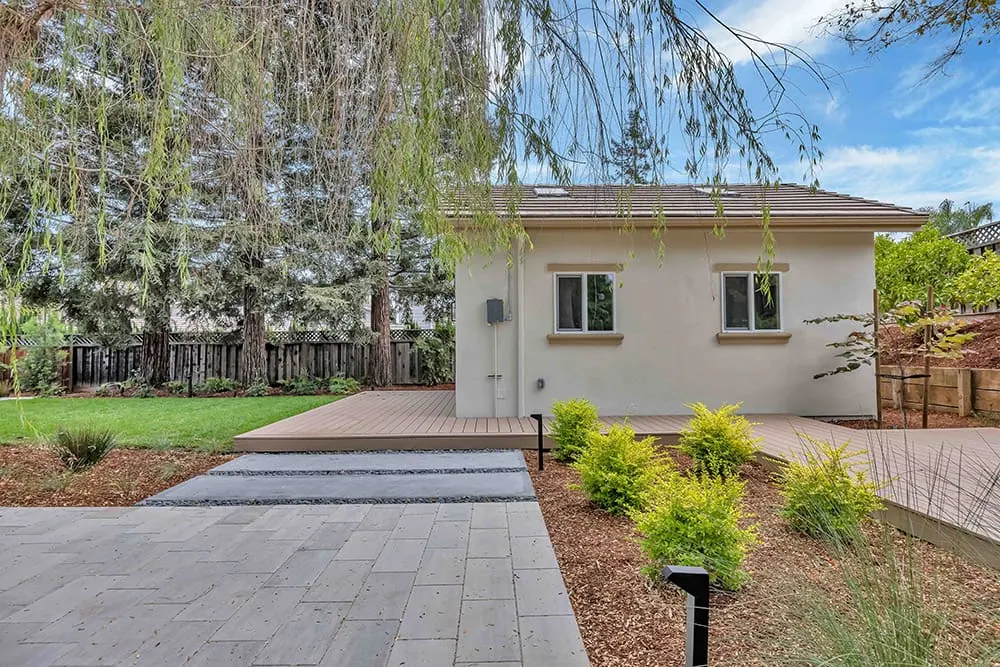
Pergula and Gym – Livermore

Transforming Land into Living Art

Ready to Transform Your Home

Start Your Journey Today

Your dream home starts with the right team. We design and build with care, precision and a passion for creating spaces that feel timeless, functional and welcoming.

People Also Ask

The cost comparison between a pergola and a covered patio depends on several factors. Generally, a basic pergola is often less expensive than a fully covered patio. A simple wood or vinyl pergola provides an open structure for shade and climbing plants, with costs primarily for materials and labor for posts and beams. A covered patio, such as one with a solid roof, involves more extensive construction, including roofing materials, potential electrical work for lighting or fans, and more complex structural requirements to meet building codes. However, a high-end, custom-designed pergola with premium materials can rival or exceed the cost of a basic covered patio. Always obtain detailed quotes for your specific design, materials, and local labor rates to make an accurate budget comparison.

Yes, you can add a louvered roof to an existing pergola, but it requires careful assessment and professional installation. The existing structure must be evaluated for its load-bearing capacity, as louvered systems are heavier than standard pergola materials. A qualified contractor will need to ensure the posts and footings are sufficiently robust to support the motorized mechanism and louvers, especially when closed against wind and rain. Retrofitting typically involves attaching a new aluminum frame to the existing posts. This upgrade transforms an open pergola into a versatile, weather-responsive outdoor room, offering adjustable shade and protection. It is a significant investment that enhances functionality and property value.
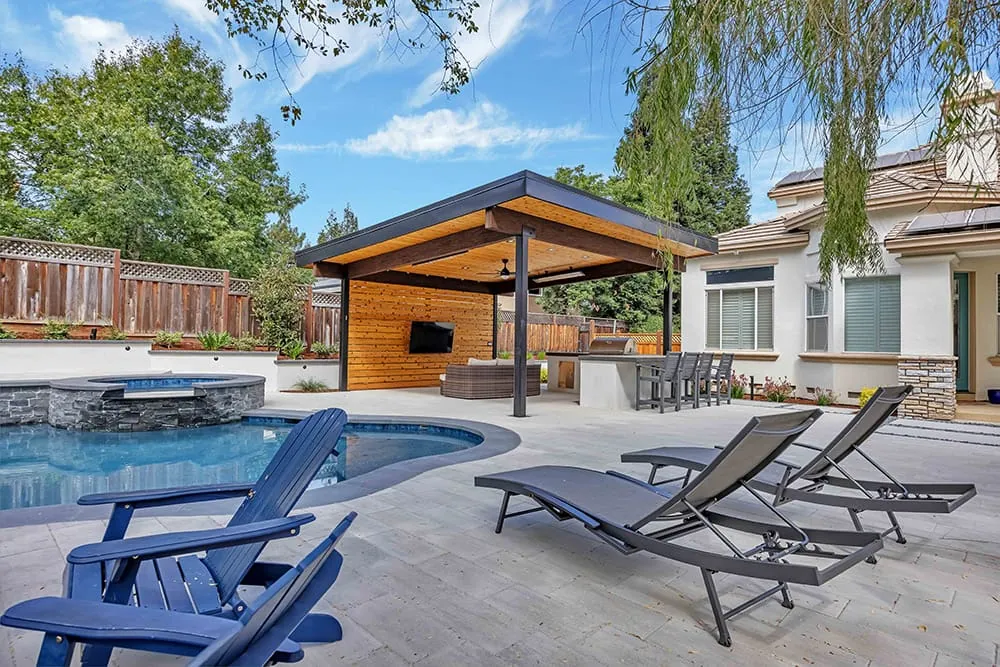
The best foundation for a pergola depends on soil conditions, local building codes, and the structure's permanence. For permanent, heavy timber pergolas, concrete footings extending below the frost line are the industry standard, providing unmatched stability against heaving and wind uplift. For simpler installations on stable ground, concrete piers or precast concrete deck blocks can be sufficient, especially for structures attached to an existing deck. It is crucial to ensure all posts are properly anchored and elevated slightly above grade to prevent water damage and rot. Always consult local building authorities for specific requirements, as proper foundational support is critical for the safety and longevity of the pergola.

Yes, you can enclose a pergola to create a more versatile, weather-resistant outdoor living space. Common methods include installing retractable or fixed side panels made from canvas, acrylic, or polycarbonate sheeting. For a more permanent structure, you can add glass sliding doors or screens to create a three-season room. The roof can be covered with a solid material like polycarbonate panels, a louvered system, or a retractable fabric canopy to provide shade and rain protection. It is crucial to ensure the pergola's original structure is engineered to support the additional weight and wind load of enclosures. Consulting with a design-build contractor is recommended to navigate local building codes and achieve a seamless, functional result.

Angi
Google
Yelp

Overall Rating

5.0
★★★★★

136 reviews