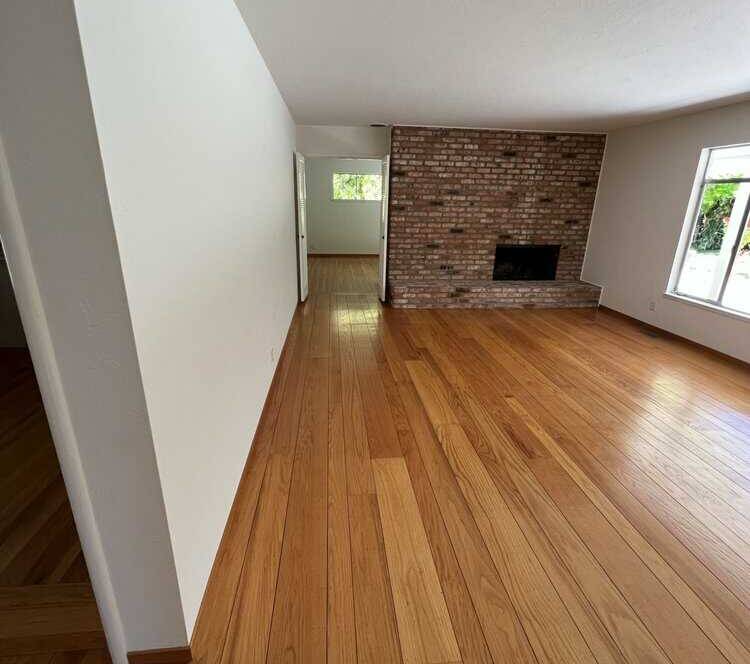
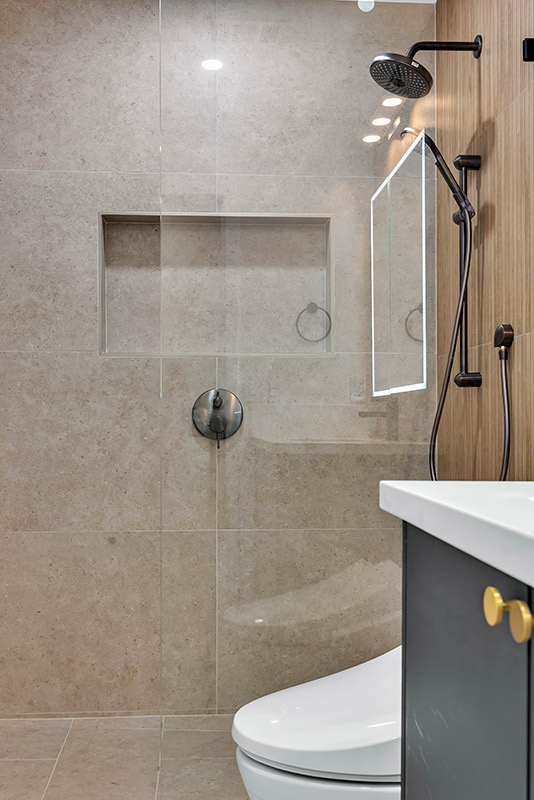
We’ve all been there. You’re standing in your kitchen, which is currently also your living room, dining area, and a storage facility for the bathroom vanity that arrived three weeks early. The dust has a permanent residence, and the sound of a saw has become your new morning alarm. You’re living in your house during a remodel, and what started as an exciting vision now feels like a tactical survival mission. In San Jose, where space is at a premium and moving out isn’t always financially feasible, this is the reality for countless homeowners. It’s chaotic, but it’s manageable—if you approach it with the right mindset and a brutally honest plan.
Key Takeaways
Living through a remodel requires a phased plan that prioritizes your sanity. You’ll need to create a functional “clean zone,” establish airtight communication with your contractor, and accept that flexibility is your most valuable tool. The goal isn’t just to survive it, but to protect your investment and your well-being in the process.
Table of Contents
The San Jose Reality: Why We Stay Put
Let’s be honest. The idea of renting another place in the Bay Area for 6-9 months while your house gets torn apart is, for most, a non-starter. The cost is astronomical. So, the decision is often made for you: you’re living in the construction zone. This isn’t just a financial calculation; it’s an emotional one. There’s a sense of stewardship, of wanting to be present for the big decisions and the daily progress. But this choice comes with a unique set of local constraints. Our older neighborhoods, from the charming bungalows of the Rose Garden to the mid-century homes near Communications Hill, often have smaller lots and tight property lines. That means staging materials is a puzzle, dumpster placement is a negotiation with your driveway, and neighbor relations become part of the project plan. The noise ordinances in San Jose are strict, and a good contractor will know them, but living on-site means you feel every minute of that allowable workday.
The Non-Negotiable First Step: The Phased Plan
You cannot wing this. A multi-phase remodel while living at home demands a sequence of work that is logical, minimally disruptive, and allows for a habitable core at all times. This is where a detailed, experience-driven plan is worth its weight in gold. The biggest mistake we see is homeowners (and, frankly, some inexperienced contractors) wanting to open up too much of the house at once. It’s tempting for speed, but it’s a recipe for disaster for your daily life.
A proper phased plan looks at your house as a series of interdependent zones, not just a list of rooms. It answers the question: “Where will we sleep, cook, and bathe at every single stage?” Often, this means starting with an addition if you’re building one, or tackling the most isolated spaces first. A second bathroom remodel or a guest suite over the garage might be phase one, creating a displaced but functional living pod for later phases.
Creating and Defending the Clean Zone
This is your sanctuary. You must designate an area of the house—a bedroom, a den, a section of the living room—that is declared a permanent No Construction Zone. This is where you retreat. It should be sealed off with heavy plastic zip walls, not just flimsy sheets. Invest in a good quality air purifier for this room. The psychological importance of having one space free of dust, tools, and decisions cannot be overstated. We tell our clients to treat this zone like a studio apartment. Move in a mini-fridge, a microwave, your coffee maker, and a TV. Defend its borders fiercely. The moment tools or materials start “temporarily” storing themselves in your clean zone, the project has begun to invade your sanity.
The Logistics of Daily Life (It’s the Little Things)
The grand vision is one thing. The daily grind is another. You need a practical plan for the mundane:
- Cooking: Assume your kitchen will be out of commission for longer than planned. A hot plate, instant pot, and outdoor grill become your best friends. Set up a “kitchenette” in a garage or laundry room with all your essentials.
- Bathing: If you’re down to one bathroom, you’re on a military schedule. Discuss the plumber’s timeline in painful detail. There are always ways to keep one toilet operational, even during a nearby remodel, but it requires precise planning.
- Dust Management: It’s a losing battle, but you must fight it. Your contractor should be sealing off work areas with negative air pressure (using fan systems that pull dust out of the house). Still, cover everything you own in plastic. We mean it. That one bookshelf you think is far enough away? It’s not.
- Access & Security: How will you, your family, and the crew come and go without tripping over each other? Establishing a dedicated entrance for workers, often through a side gate or garage, helps maintain a boundary between “their” worksite and “your” home.
Communication: Your Daily Touchpoint Isn’t a Nuisance
When you’re living on-site, you are the de facto daily project manager. This can be a huge asset or a source of constant friction. The key is to formalize the communication. A daily 5-minute stand-up meeting at the start of the workday is magic. It’s not for you to micromanage, but to ask: “What’s the goal today? What do you need from me? Is anything in my way?” It resets expectations daily. It also prevents the 5 p.m. “surprise” that the water will be off for the next two days. Use a shared digital doc or a simple whiteboard for questions that pop up, so you’re not interrupting the crew every hour. A good contractor, like our team at LeCut Construction in San Jose, expects and plans for this. We build this homeowner touchpoint into our daily schedule because we know an informed client is a calm client.
When to Call a Pro: The Honest Assessment
This is the hard truth: some projects are simply not compatible with cohabitation. If your only bathroom or kitchen is being gutted and the layout offers no space for even a temporary setup, you need to budget for alternative lodging. If the project involves extensive structural work, jackhammering slabs, or dealing with major asbestos or lead abatement, for your family’s health and safety, you should leave. The cost and stress of trying to live through that will far outweigh the cost of a short-term rental.
Another moment for professional help is during the planning phase itself. A seasoned contractor can see the logistical pitfalls you can’t. They know that moving the plumbing stack might displace you for three days, not one. They can sequence trades to minimize downtime on critical functions. That expertise in creating a livable phasing plan is often what you’re really paying for. If you’re in a San Jose home with a complex layout, getting a professional opinion on your sequence can be the difference between a stressful but successful project and a nightmare you abandon halfway through.
Budgeting for the Inevitable “While We’re At It”
Living in the project gives you a front-row seat to every discovery and every new idea. This is a double-edged sword. You’ll notice that once this wall is open, it would be trivial to add an outlet or a pipe for a future wet bar. This is the birthplace of change orders. You must have a contingency fund (we recommend 15-20% for major remodels you’re living in) not just for unforeseen problems, but for these unforeseen opportunities. The table below breaks down where that contingency often gets allocated, based on our real-world experience.
| Contingency Category | What It Covers | Typical % of Total Budget | Why It Happens When You Live There |
|---|---|---|---|
| Structural & System Surprises | Rotter wood, outdated wiring, plumbing issues hidden behind walls. | 7-10% | You’re present for the demolition reveal. The “can of worms” is opened right in front of you. |
| “Might As Well” Upgrades | Adding that extra circuit, upgrading insulation while walls are open, changing fixture locations. | 5-7% | Daily exposure to the work makes future-proofing feel urgent and logical. |
| Livability & Speed Costs | Renting a storage pod, hotel nights for critical phases, paying for overtime to shorten a high-disruption phase. | 3-5% | Your tolerance for disruption has a limit. Spending money to buy back your sanity becomes a valid budget line. |
The Final Stretch: Staying Sane
The last 10% of a remodel takes 30% of the time. When you’re living there, this phase is a special kind of torture. The functional work is done, but you’re surrounded by punch-list items, touch-up paint, and a mountain of dust to clean. Your patience is gone. This is when you must force a final “move-out” of your clean zone and let the crew do a thorough, whole-house deep clean and final detailing. Do not try to do this yourself while living there. Schedule it, leave for a weekend, and come back to a finished home. It’s a necessary reset.
Living in your San Jose home during a remodel is a test of endurance, but it’s also an incredible journey. You witness the transformation of your biggest investment from the inside out. The key is to replace the fantasy of a seamless process with a prepared, pragmatic, and phased reality. Plan for the dust, budget for the surprises, communicate relentlessly, and always, always defend your clean zone. When done right, the day you finally unpack in your new-old home, the struggle fades, and what’s left is the deep satisfaction of having navigated it, together.
People Also Ask
The 30% rule in remodeling is a financial guideline suggesting that the cost of a room renovation should not exceed 30% of the property's overall value. For example, if your home is worth $500,000, you should ideally spend no more than $150,000 on a single room remodel. This rule helps homeowners avoid over-improving a property, which can make it difficult to recoup the investment upon resale. However, this is a general industry standard and not a strict law. At Lecut Construction, we advise our clients in San Jose and Santa Clara to consider both the 30% rule and their personal enjoyment of the space, as local market conditions can influence the best approach for your specific project.
Living in your home during a remodel is possible but depends on the project's scope. For minor updates like painting or flooring, staying is usually fine. However, for a Complete House Remodeling, it is often impractical and unsafe. Dust, noise, and lack of essential services like a kitchen or bathroom can make daily life difficult. You should also consider safety hazards from exposed wiring, tools, and debris. Before deciding, consult your contractor about the timeline and disruption level. For detailed guidance on managing this process, refer to our internal article titled Complete House Remodeling. Many homeowners choose to temporarily relocate for major renovations to avoid stress and ensure the crew can work efficiently.
During a major renovation, your living situation depends on the scope of work. For a full gut remodel, staying in the home is often unsafe and impractical due to dust, noise, and lack of essential services like water or electricity. The most common options include renting a short-term apartment, staying with family or friends, or using a temporary housing service. For smaller projects, such as a single room update, you may be able to remain in the home by sealing off the work area. For detailed guidance on planning your project timeline and living arrangements, please refer to our internal article titled Complete House Remodeling. Lecut Construction recommends discussing your specific living needs during the initial consultation to ensure a smooth renovation process.
Based on years of industry experience, the most common renovation mistakes include failing to establish a realistic budget that includes a 15-20% contingency for unexpected issues. Many homeowners also neglect to secure the proper permits, which can lead to costly fines and safety hazards. Another frequent error is prioritizing aesthetics over function, such as choosing trendy fixtures that do not fit the home's layout. Finally, changing your mind mid-project is a major pitfall that causes delays and material waste. For a comprehensive roadmap that helps you avoid these pitfalls, we recommend reviewing our internal article titled Whole-House Remodel vs. Piecemeal Approach: The Only Guide You Need (2026). Lecut Construction always advises planning every detail before breaking ground to ensure a smooth process.