Skip to content Skip to footer

2.5 bathroom

Crafting Bathrooms with Clarity Comfort and Care

Ready to Transform Your Home

Start Your Journey Today

Your dream home starts with the right team. We design and build with care, precision and a passion for creating spaces that feel timeless, functional and welcoming.

Related Articles

People Also Ask

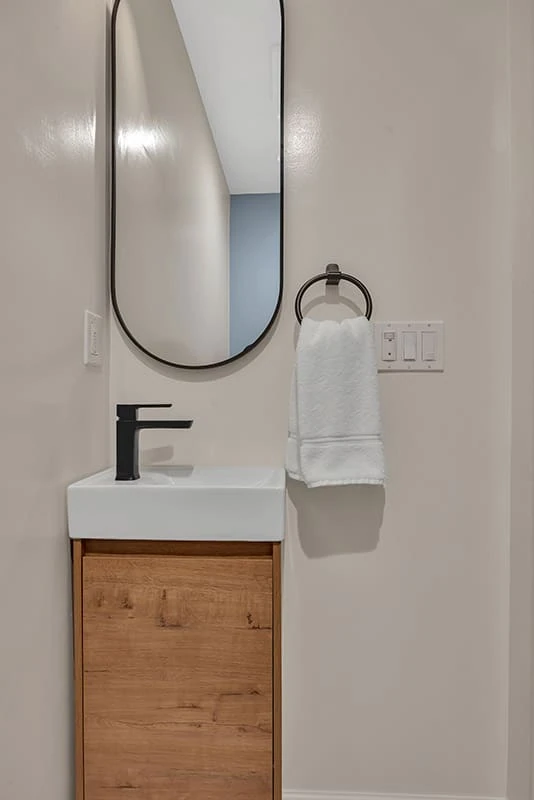
A 2.5 bathroom configuration refers to a home with two full bathrooms and one half-bathroom. A full bathroom contains four key fixtures: a toilet, sink, bathtub, and/or shower. A half-bathroom, also called a powder room, contains only a toilet and a sink. This layout is highly desirable in residential construction as it offers significant convenience for families and guests. The full bathrooms typically serve private areas like primary and secondary bedrooms, while the half-bath is often located on a main floor or near common living areas for visitor use. This setup enhances functionality, improves traffic flow, and increases a property's market value by balancing privacy with shared access.

The standard size for a full bathroom (toilet, sink, and shower or tub) is typically a minimum of 36 to 40 square feet, often arranged in a 5x7 or 6x8 foot layout. For a three-quarter bathroom (toilet, sink, and shower without a tub), a common minimum is around 30 to 36 square feet. A half-bath or powder room (just toilet and sink) can be as compact as 18 to 20 square feet, fitting into a 4x5 foot space. Building codes and accessibility standards, like those for ADA compliance, require more space, with a key guideline being a 30-inch by 48-inch clear floor space in front of fixtures. While these are common minimums, luxury or master bathrooms often expand to 100 square feet or more to accommodate double vanities, separate tubs and showers, and additional amenities.


A good size for a small bathroom, such as a powder room or three-quarter bath, is typically between 20 to 35 square feet. For a full bathroom with a shower, tub, toilet, and vanity, a minimum of 36 to 40 square feet is standard to ensure comfortable and code-compliant use. Key considerations include clear floor space, with at least 21 inches of clearance in front of fixtures and 30 inches of width for the toilet area. Efficient layouts, like galley or corner designs, and space-saving fixtures such as wall-hung vanities and sliding shower doors, maximize functionality. Adhering to local building codes for fixture spacing is essential for both safety and comfort.

The smallest bathroom allowed by code typically requires a minimum floor area. International Residential Code (IRC) standards often specify that a bathroom must have at least 15 square feet of floor area, with a minimum dimension of 30 inches in any direction. Fixture clearances are critical: the toilet needs a 21-inch front clearance, and the shower or tub must meet specific size requirements. Local building codes can vary and may impose stricter rules, so always consulting with your local building department is essential. Proper planning for door swing, ventilation, and accessibility is crucial even in compact spaces to ensure safety and functionality.

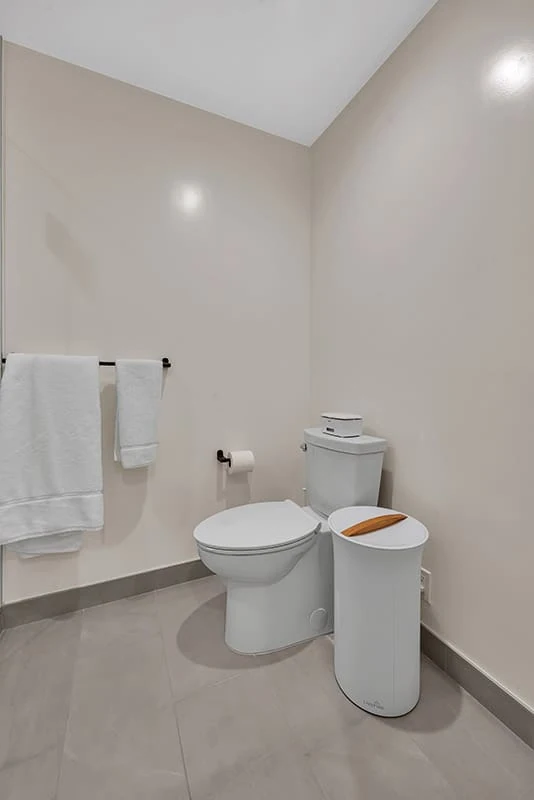
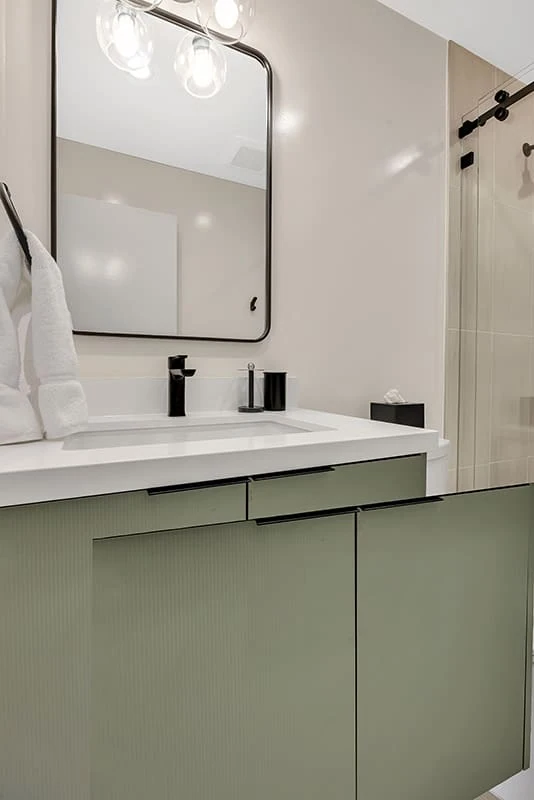
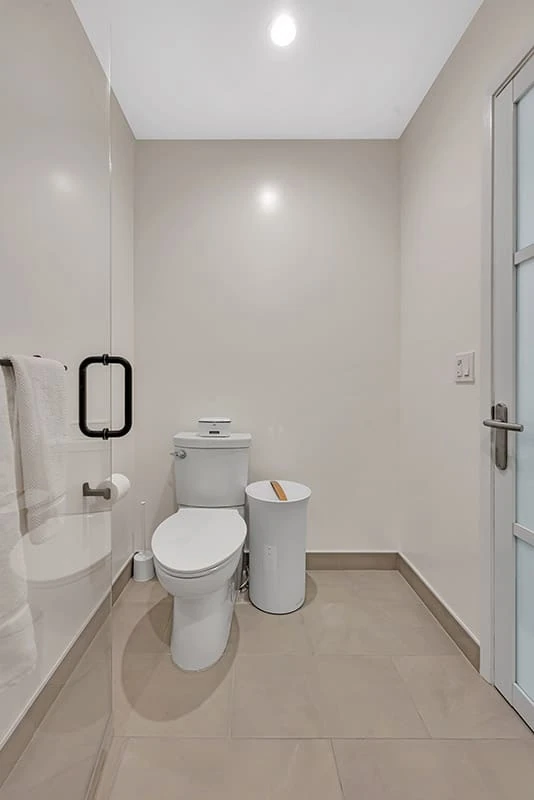
Designing a 2.5 bathroom layout involves creating a functional plan for a full bathroom, a second full bathroom, and a half-bath (powder room). The key is strategic placement to serve both private and public areas. Typically, the primary full bathroom is adjacent to the main bedroom, featuring a shower, tub, vanity, and toilet. The second full bathroom, often shared by other bedrooms, has similar fixtures. The half-bath, containing just a toilet and sink, is ideally located on the main living floor for guest access. Efficient layouts prioritize plumbing walls to reduce installation costs, ensure proper ventilation, and maintain clear circulation paths. Adherence to building codes for fixture clearances is essential for safety and comfort.

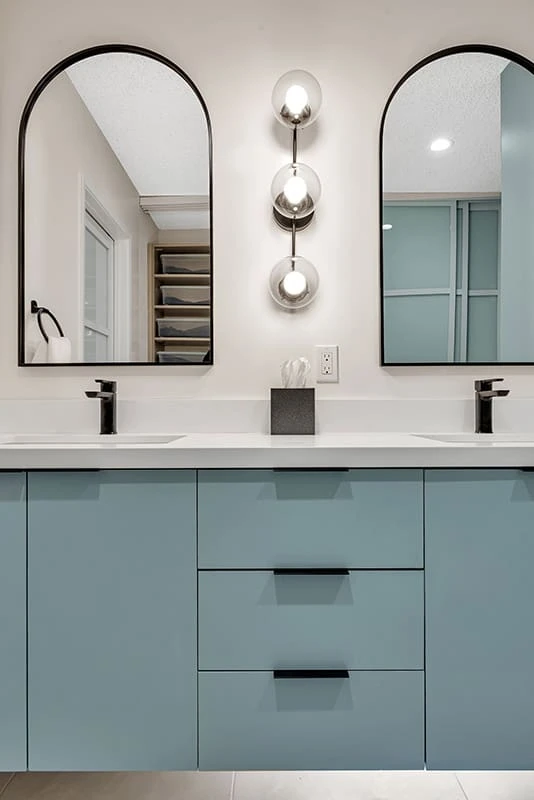
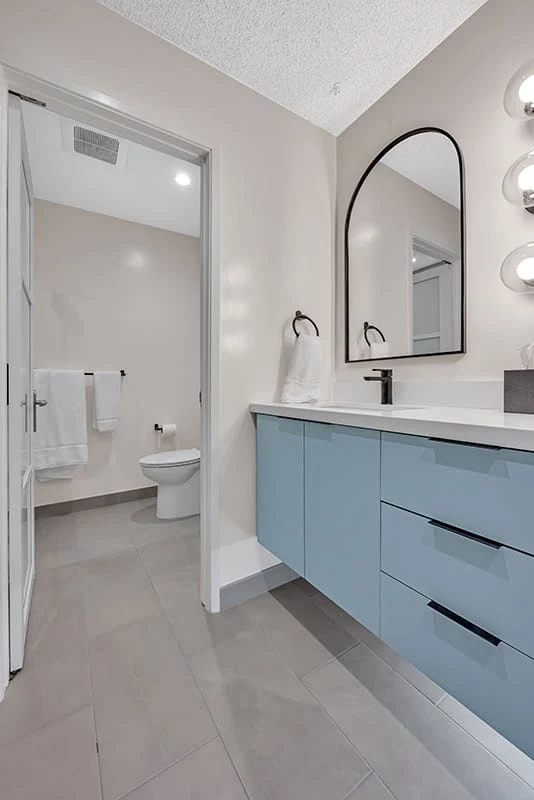
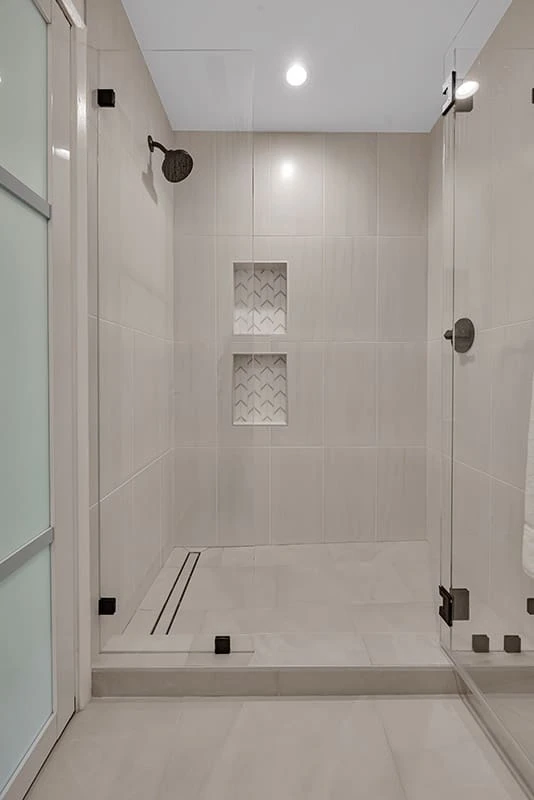
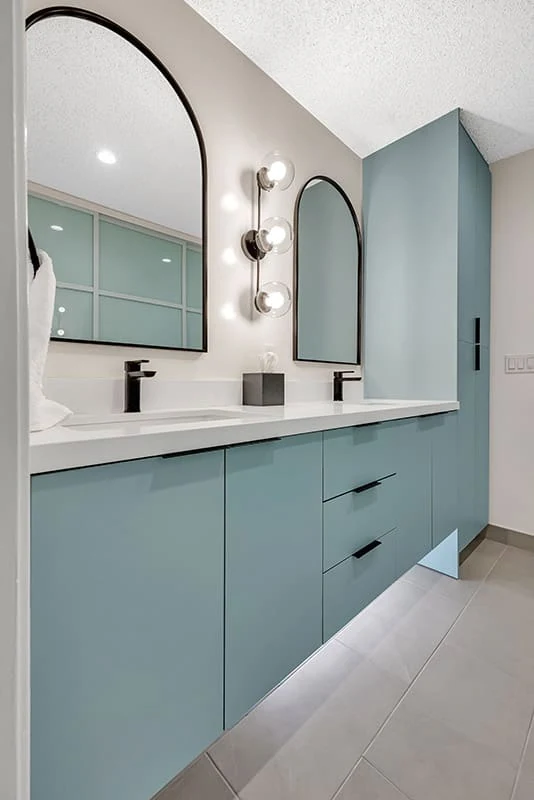
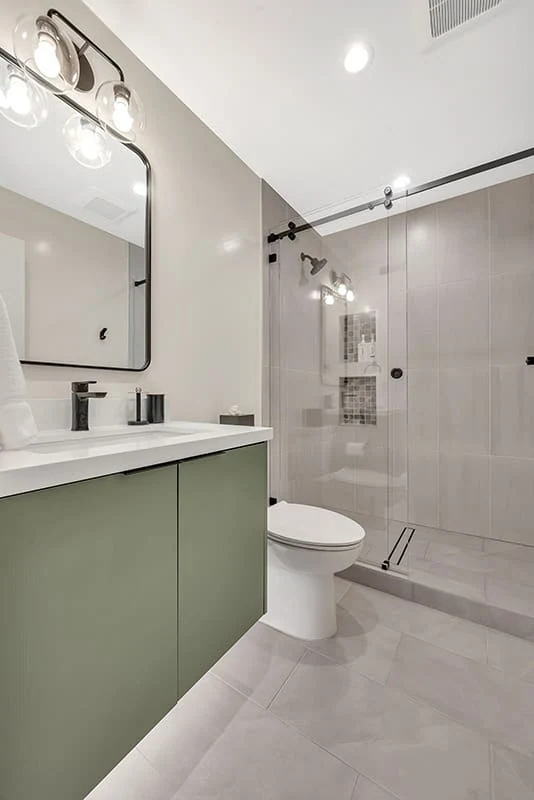
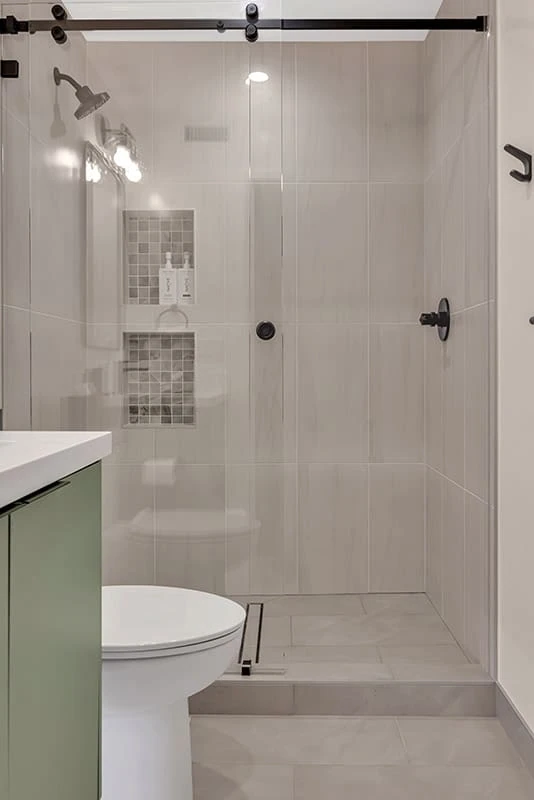
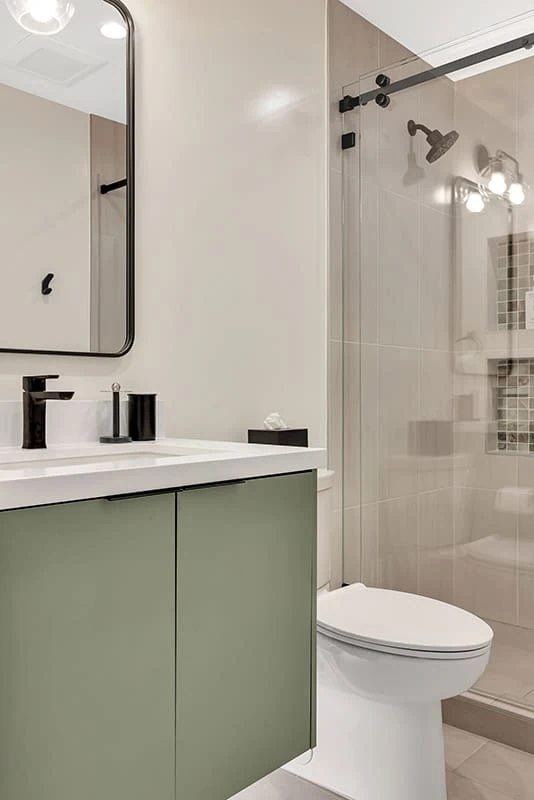
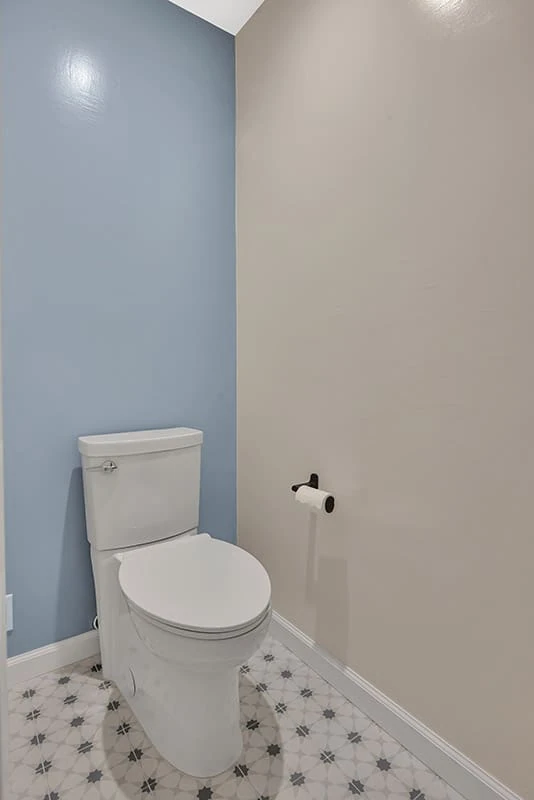
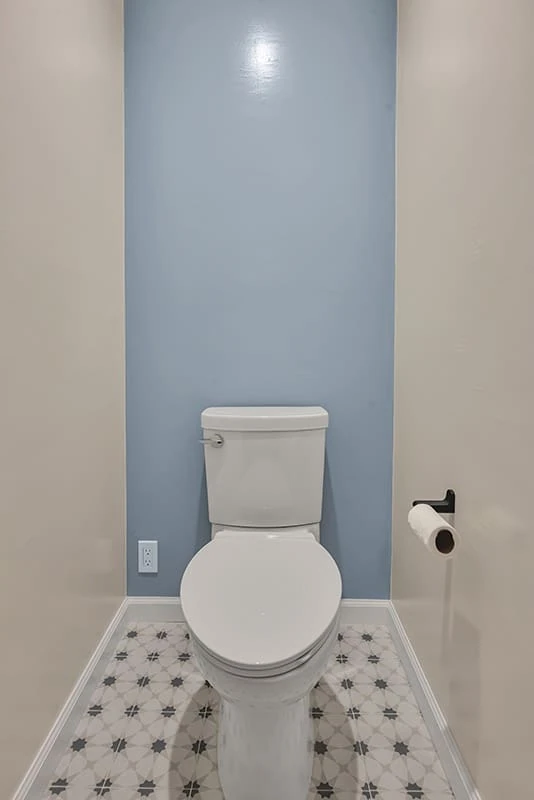
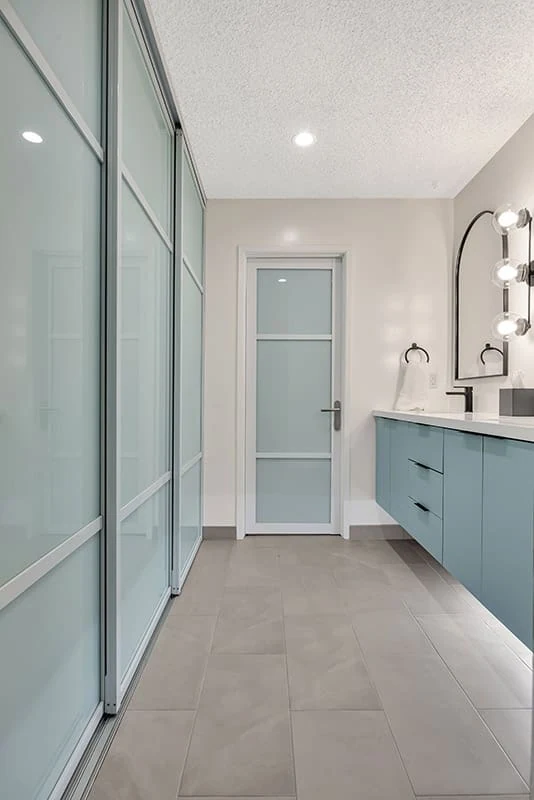
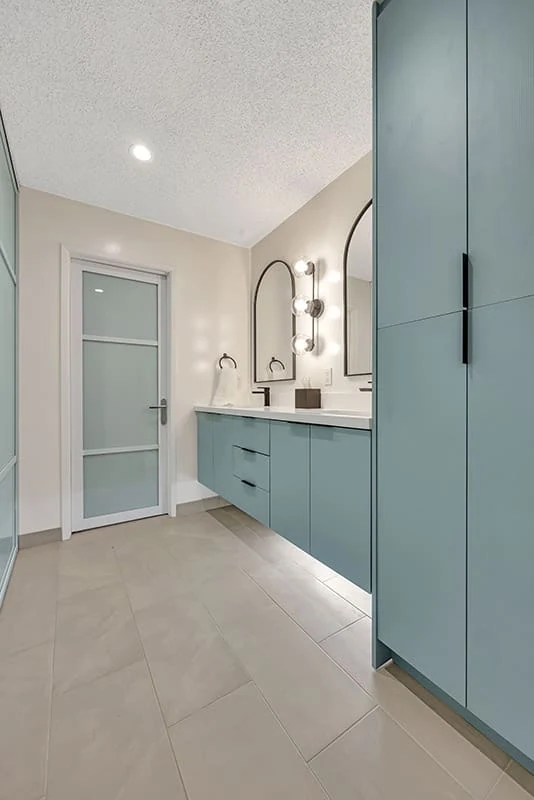
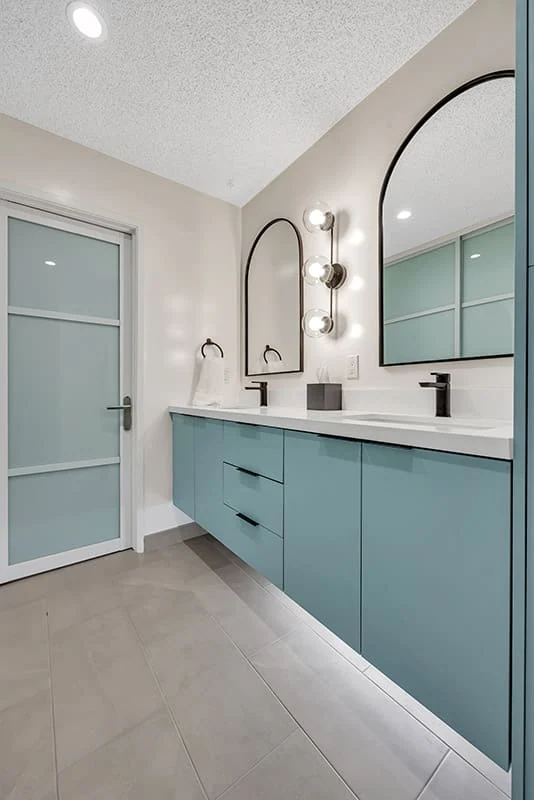
When planning a 2.5 bathroom layout, the key is to maximize functionality and flow. The full bathrooms should be designed for specific uses—often one as an en-suite master bath and another as a hall bath for family or guests. The half-bath (powder room) is typically located near common areas for visitor convenience. Industry standards emphasize efficient plumbing layouts by grouping wet walls to reduce costs. For ideas, consider a spa-like master with a walk-in shower, a family-friendly hall bath with a tub/shower combo and durable finishes, and a stylish powder room with a bold vanity and mirror as a focal point. Consistent design elements, like matching hardware, create cohesion. Always prioritize quality ventilation and waterproofing.

Designing a 2m x 2.5m (approximately 6.5ft x 8ft) bathroom requires efficient space planning. A standard layout often places the shower or bathtub along the longer 2.5m wall, with a wall-hung toilet and a vanity unit on the adjacent walls. For a walk-in shower, a 900mm x 900mm enclosure in one corner is ideal. Opt for a compact vanity, around 600mm-800mm wide, and consider a wall-mounted toilet to maximize floor space and ease cleaning. Ensure a minimum of 700mm of clear space in front of all fixtures. Proper ventilation and waterproofing are critical, with floor tiles sloping correctly toward the drain. Using large-format tiles and a light color palette can make the space feel more open and airy.

Angi
Google
Yelp

Overall Rating

5.0
★★★★★

136 reviews